

Teeth Whitening: What is it? Find Benefits, Procedure & Cost
Teeth whitening is a cosmetic dental treatment that helps lighten the colour of your natural teeth and reduce certain types of discolouration. It commonly uses peroxide-based whitening agents to break down stain molecules within the tooth.
Professional whitening can provide faster and more controlled results than many over-the-counter options. Your existing fillings, crowns, veneers, tooth condition, and sensitivity can also affect the treatment choice and result.
In this guide, we explain what teeth whitening is, why teeth become stained, how effective it can be, the available options, the professional procedure, safety considerations, and the typical cost in India.
What Is Teeth Whitening?
Teeth whitening is a cosmetic dental treatment used to make your natural teeth appear lighter. It can reduce certain stains and discolouration caused by food, drinks, tobacco, ageing, and other factors.
Professional teeth whitening usually uses a peroxide-based gel. The active ingredients penetrate the tooth and help break down compounds responsible for darker tooth colour.
If your teeth look darker because of surface deposits, your dentist may recommend cleaning before considering whitening. This can help determine whether you actually need a whitening treatment.
Types of Teeth Whitening
You can find several approaches to teeth whitening. They differ in how they are applied, how much professional supervision they involve, and how quickly they may produce visible changes.
Professional Teeth Whitening
Professional teeth whitening is performed at a dental clinic under professional supervision. It generally uses a higher-strength whitening system than many consumer products and allows the dentist to control the treatment.
This option can be useful when you want a more controlled treatment process or faster cosmetic improvement.
Dentist-supervised take-home whitening
Take-home whitening uses whitening materials provided or prescribed by a dental professional. You usually apply the product according to specific instructions over a longer period.
This approach provides more control over the pace of treatment and can be convenient when you prefer whitening at home.
Over-the-counter whitening products
Whitening toothpastes, strips, gels, and other products are available without professional treatment.
Their effectiveness varies by product and the type of discolouration. They may be more suitable for maintaining or addressing certain surface stains than for complex discolouration.
You should follow the product instructions carefully. Using a whitening product more frequently or for longer than recommended does not automatically produce better results.
Why Do Teeth Become Yellow or Stained?
Teeth become discoloured when stains build up on the surface or within the tooth structure. Several factors can make teeth appear yellow, grey, or darker:
- Ageing: Enamel naturally becomes thinner with age, making the yellowish dentin underneath more visible.
- Diet and Habits: Coffee, tea, soda, red wine, tobacco, and smoking can contribute to surface staining.
- Medications: Certain antibiotics or supplements can cause discolouration within the tooth structure.
- Fluorosis: Excess fluoride exposure during childhood can create white or brown spots on the enamel.
- Genetics: Natural tooth colour varies from person to person and can be influenced by genetics.
- Oral Hygiene: Infrequent brushing and flossing can allow plaque, tartar, and surface stains to accumulate.
Find Ultimate Smile Designers
Understanding the cause of discolouration can help determine the most appropriate teeth whitening approach.
How Effective Is Teeth Whitening for Tooth Discolouration?
Teeth whitening can effectively lighten many types of discolouration, but the result depends on the cause and severity of the stain.
Professional whitening is generally more predictable because your dentist can assess your teeth before treatment and select an appropriate cosmetic method.
Your result can depend on:
- Your initial tooth shade
- The type of discolouration
- The whitening method
- The condition of your teeth
- Your response to the whitening treatment
- Your habits after treatment
A useful point to remember is that whitening does not guarantee one specific final shade. Your natural tooth colour and the cause of discolouration influence the outcome.
Whitening also does not change the colour of existing crowns, veneers, or fillings in the same way as natural teeth. If you have visible restorations, discuss this with your dentist before treatment.
Is Teeth Whitening Suitable for Everyone?
Teeth whitening is suitable for many people, but it should not be treated as a one-size-fits-all procedure.
Before whitening, your dentist should assess the condition of your teeth and gums. Existing dental problems may need to be addressed before cosmetic treatment.
You may need a dental assessment first if you have:
- Untreated cavities
- Gum disease or significant gum irritation
- Cracked or damaged teeth
- Significant tooth sensitivity
- Unexplained tooth discolouration
- Extensive crowns , veneers , or fillings
If one tooth has suddenly become much darker than the others, whitening should not be your first step. The cause of the colour change should be evaluated first.
Benefits of Teeth Whitening
Professional teeth whitening offers a safe and effective way to refresh your smile with dentist-supervised treatment. Compared with many over-the-counter options, it provides a more controlled approach and can deliver noticeable results.
The main benefit of teeth whitening is a lighter and brighter appearance of your natural teeth. Depending on your individual condition, whitening may help you:
- Youthful-Looking Smile : Reducing visible stains can make your teeth look brighter and give your smile a fresher appearance.
- Improve the brightness of your smile : A brighter smile can boost your self-esteem and help you feel more confident.
- Create a more even-looking tooth shade
- Enhance the appearance of your natural teeth
- Prepare your smile for certain cosmetic dental treatments
- Faster, More Noticeable Results: Professional whitening can deliver more visible results in less time than many at-home products.
Overall, teeth whitening is a convenient and effective way to brighten a dull or stained smile and restore the confidence that comes with a more radiant appearance.
What Happens During Teeth Whitening Treatment?
Teeth whitening usually works through peroxide-based bleaching agents. These agents break down stain compounds within the tooth, making the teeth appear lighter.
The exact whitening process depends on the treatment method. For professional whitening, the general process involves:
- Assessing your teeth and gums.
- Identifying the cause of discolouration.
- Recording your starting tooth shade.
- Selecting an appropriate whitening approach.
- Apply the whitening material as directed.
- Monitoring the treatment.
- Comparing the tooth shade after treatment.
- Providing aftercare guidance.
Your dentist may also recommend treating cavities, gum problems, or heavy surface deposits before whitening. Recent evidence continues to support professional bleaching as an effective approach, while also highlighting the importance of managing tooth sensitivity during treatment.
How Much Does Teeth Whitening Cost in India?
Current published Indian price ranges commonly place professional whitening in the broad range of about ₹5,000 to ₹25,000. Some sources report narrower ranges depending on the specific treatment and location.
| Whitening option | Typical cost range in India |
| Professional in-office whitening | ₹5,000–₹25,000 |
| Dentist-supervised take-home whitening | ₹3,000–₹12,000 |
| Over-the-counter whitening products | Varies by product |
The exact cost can vary depending on:
- City and Clinic Location
- Dentist's Experience
- Type of Whitening: Laser whitening, advanced gel whitening, or other professional techniques
- Level of Discolouration: The extent and type of staining may affect the treatment approach
- Number of Sessions: Some patients may need more than one session to achieve their desired result
These are indicative ranges, not fixed treatment prices. Your actual cost can differ based on your location, treatment method, number of sessions, dental condition, and whether cleaning or other dental treatment is required.
For this reason, comparing prices alone may not tell you which option is appropriate. A dental assessment helps determine what treatment you actually need.
What Role Does Teeth Whitening Play in Smile Design?
Teeth whitening can be one part of a broader smile design plan when tooth colour is an important cosmetic concern.
Smile design considers several aspects of your smile, including tooth colour, shape, proportions, alignment, gums, and how the teeth appear together.
When whitening is planned before other cosmetic procedures, your dentist can consider the desired tooth shade while planning the overall smile. This is particularly relevant when you are considering restorations that will have a fixed colour.
However, in premium smile design treatment approaches like Ultimate Smile Design , we don’t recommend teeth whitening. Compared to other options like veneers, crowns & implants, teeth whitening is not a permanent solution for your smile. It does not offer long-term aesthetics & precision.
We consider tooth colour as part of the overall smile rather than treating whitening as an isolated cosmetic change. The right approach depends on your existing tooth condition and your wider smile goals.
Whitening may be enough when colour is your primary concern. If shape, alignment, proportion, or restorations also affect your smile, a broader smile design assessment may be appropriate.
Is Teeth Whitening Safe?
Professional teeth whitening is generally considered a safe cosmetic dental procedure when appropriately selected and used as directed. However, temporary tooth sensitivity and gum irritation can occur.
Sensitivity is one of the most common concerns associated with bleaching. Research also indicates that treatment concentration and protocol can influence sensitivity.
A certified dentist can take your existing sensitivity into account and choose an appropriate treatment approach. Recent evidence also supports the use of desensitising strategies when needed during professional whitening.
You should not assume that stronger or longer whitening automatically produces better results. Using products incorrectly can increase the risk of unwanted effects. You should also avoid treating unexplained discolouration yourself. A darkened tooth can have a cause that whitening alone cannot address.
Conclusion
Teeth whitening is a cosmetic treatment that can lighten natural teeth and reduce certain types of discolouration. Its effectiveness depends on the type of stain, your tooth condition, the selected treatment, and your individual response.
However, if you are considering smile design, we don’t recommend teeth whitening for a permanent smile. Instead, for a more aesthetic & natural smile, consider veneers or crowns. In Ultimate Smile Design, we can evaluate your tooth colour, dental condition, and overall smile goals to help you understand whether whitening is the right option for you.
Ask your dentist for Ultimate Smile Design or contact us .
FAQs
Teeth darken when extrinsic or intrinsic stains build up. Aging thins enamel to reveal yellow dentin, while dark foods/drinks, tobacco, some medications, excess fluoride, and inadequate oral hygiene deposit pigments and cause white or brown spots.
Whitening lightens your natural tooth color using peroxide‑based gels or advanced technology. Dentists apply clinically tested whitening agents that penetrate enamel and break down stains from tea, coffee, smoking, and aging.
Professional whitening boosts self‑confidence, makes you look younger, improves first impressions, and motivates better oral hygiene. It also removes deep stains more effectively than over‑the‑counter methods, giving long‑lasting results.
In India, professional whitening costs ₹7,000–₹20,000 or more per session. Prices depend on the clinic’s location, the dentist’s experience, the type of whitening, and the degree of shade change desired.
After a dental exam, the dentist cleans your teeth, protects gums, and applies a high‑concentration gel activated with light or laser. Each session lasts 60–90 minutes, and multiple visits may be needed for darker stains.

With over 20 years of unparalleled experience at the forefront of digital dental technology, I’m passionate about elevating dental care through state-of-the-art dental technologies. I remain dedicated to empowering dentists and practitioners by providing cutting-edge custom dental solutions that combine artistry, efficiency, and predictability, continuously exploring AI-driven design to shape the future of restorative dentistry.
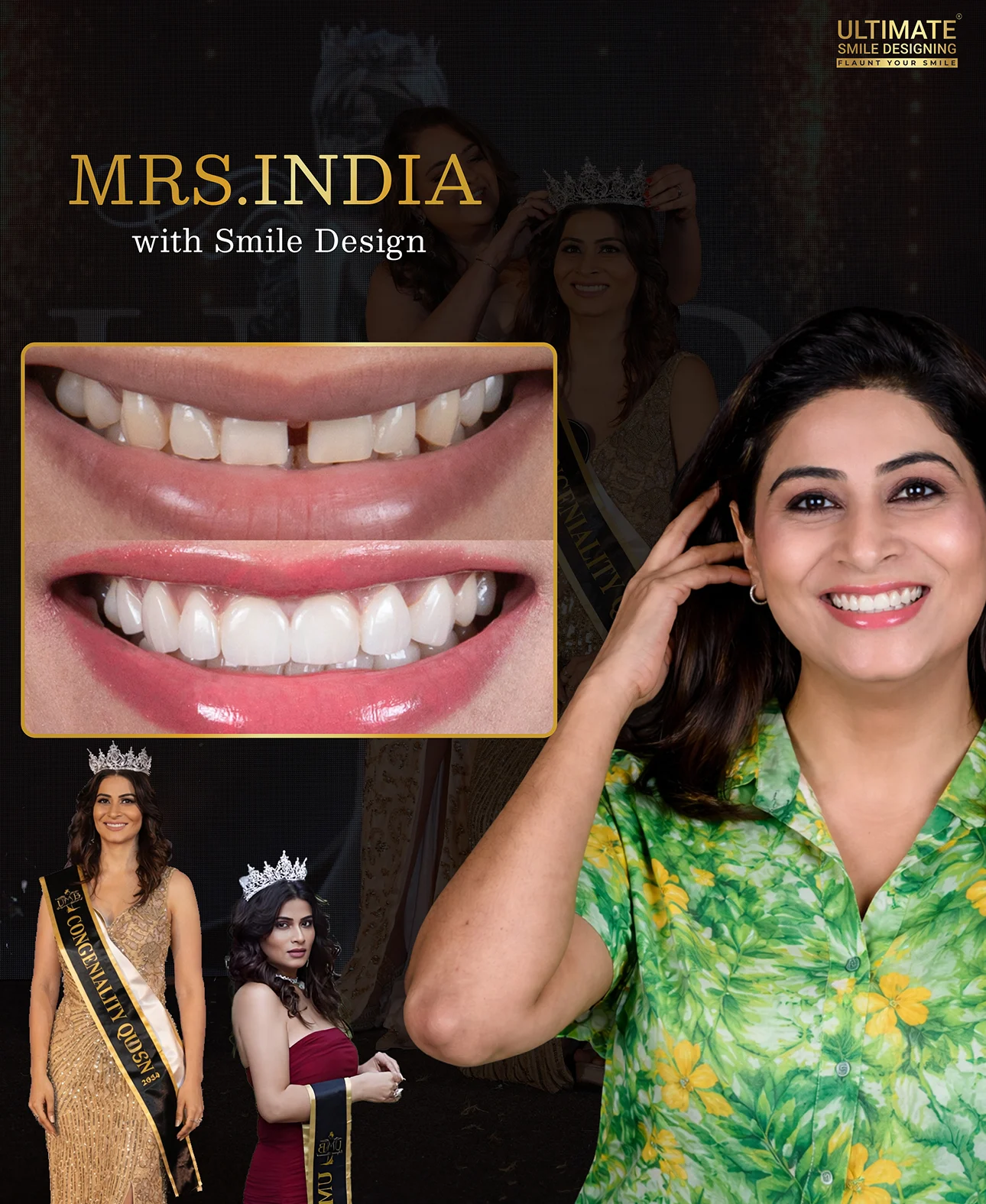
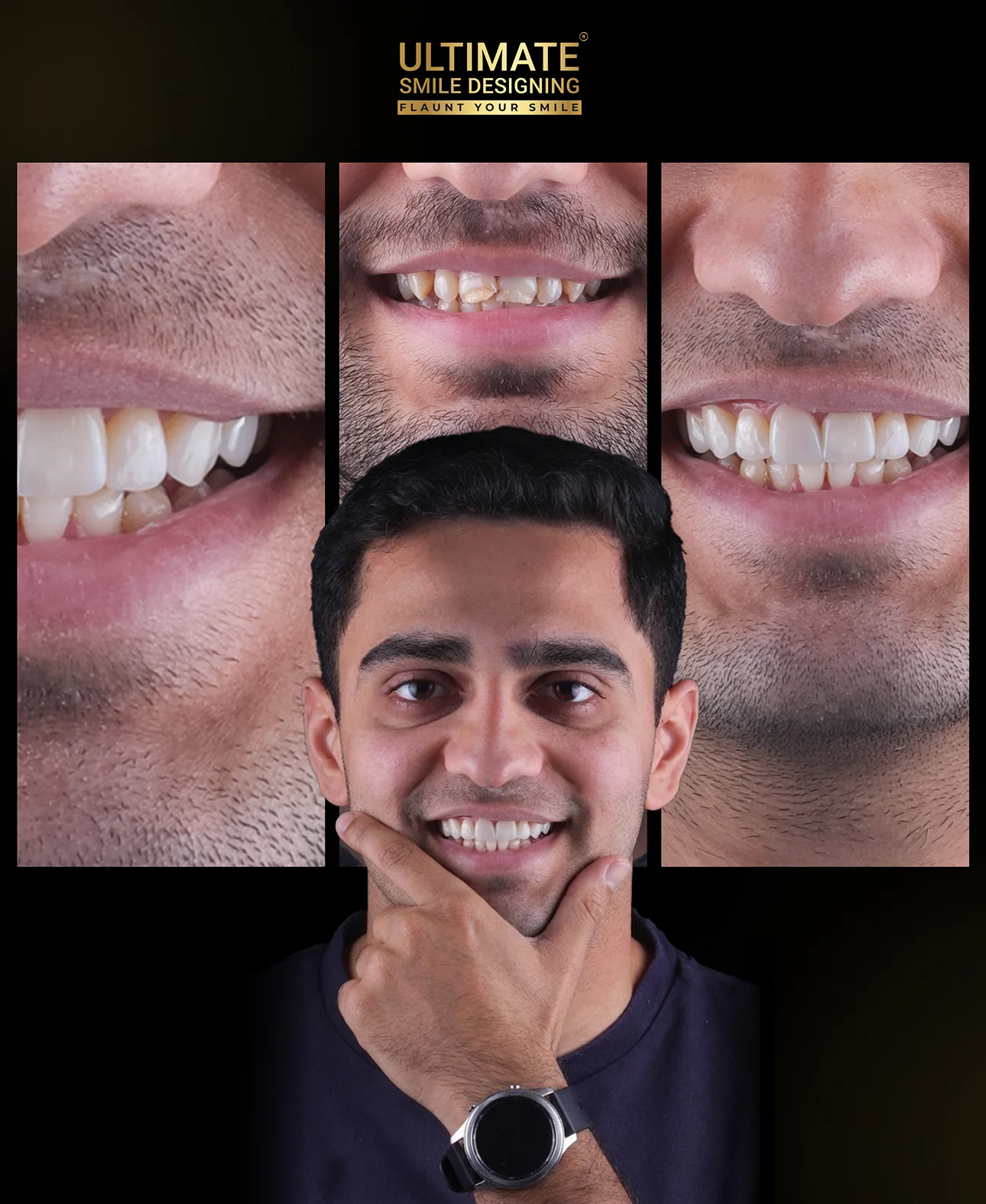
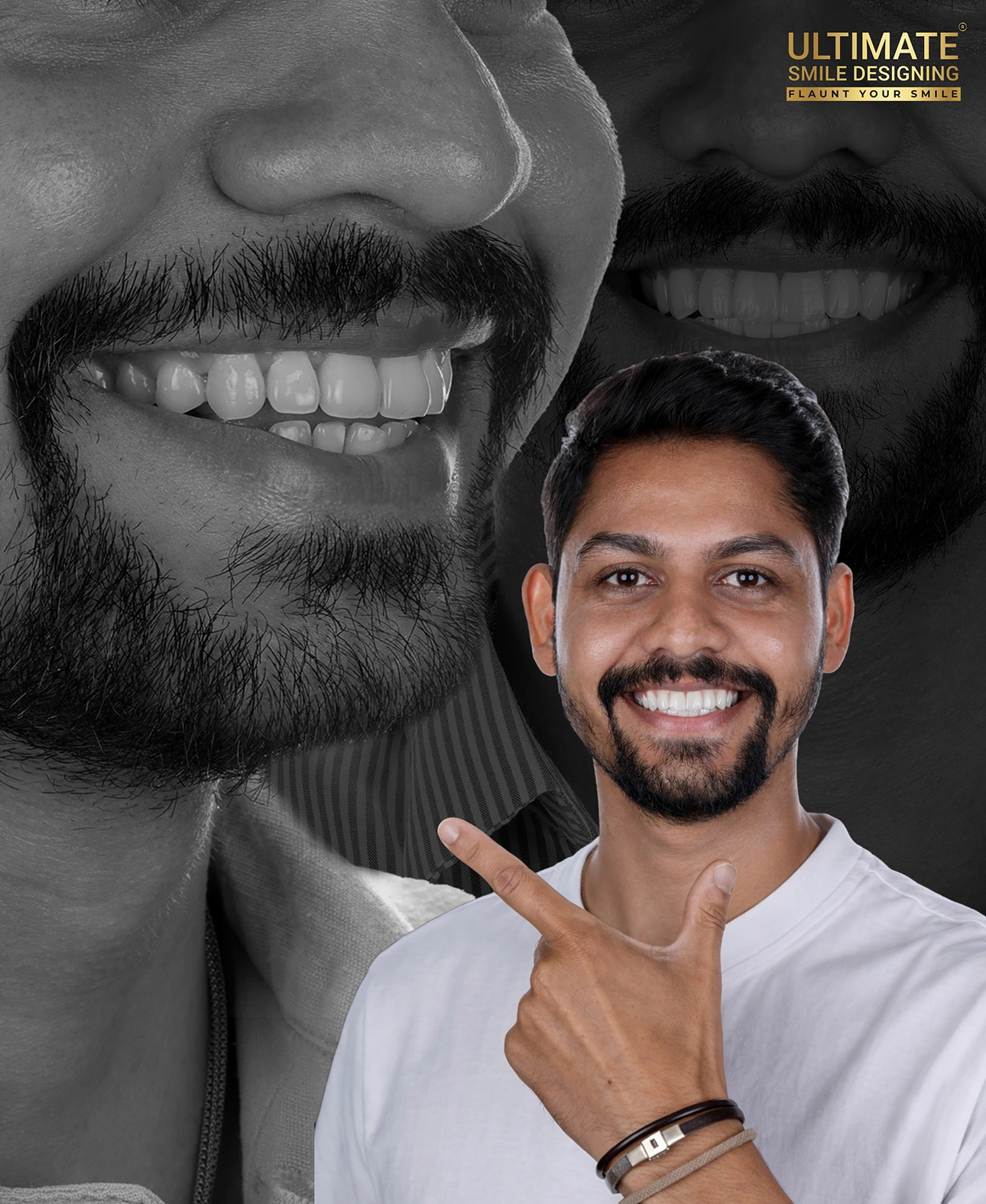
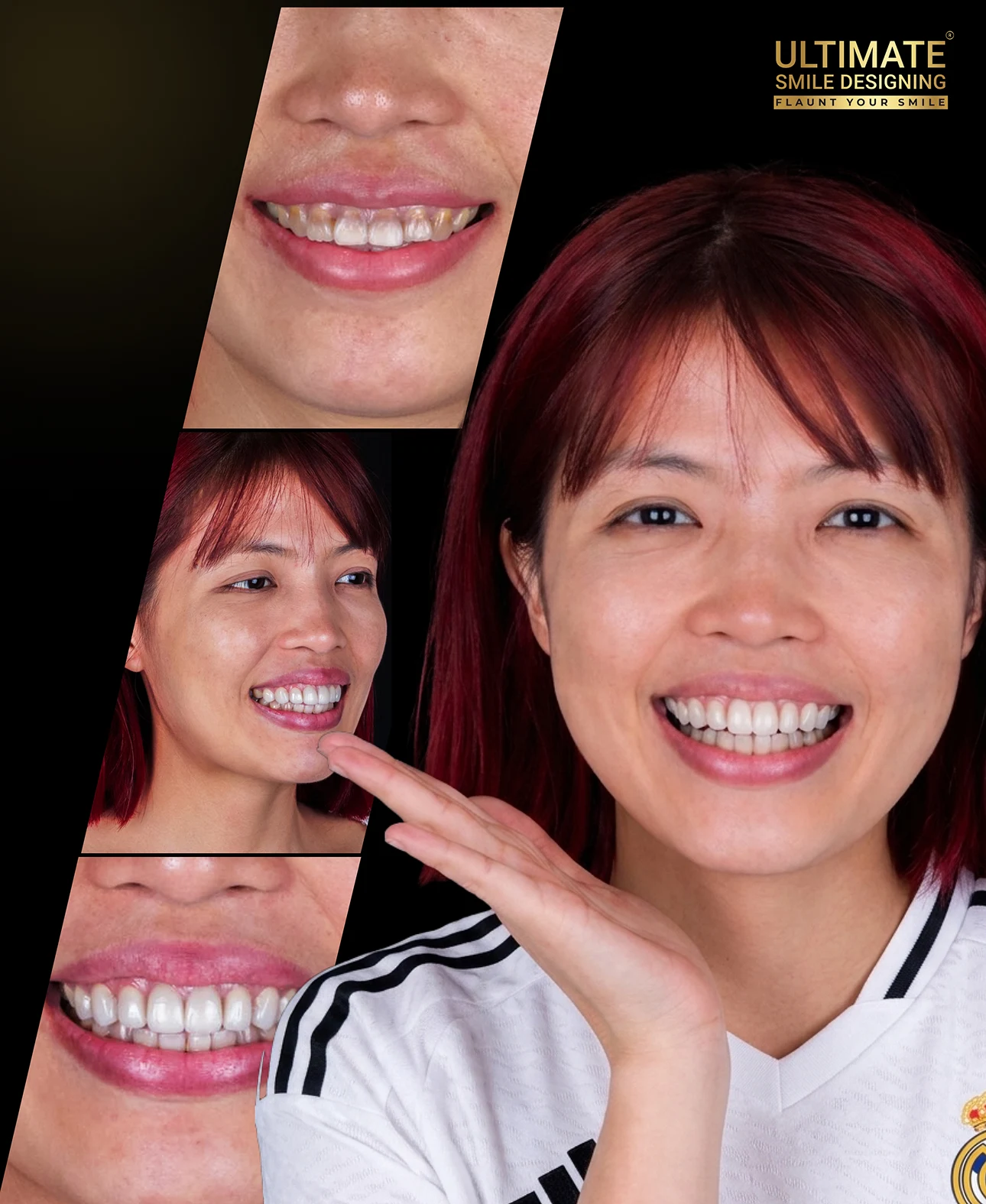
Smile Design Before & After