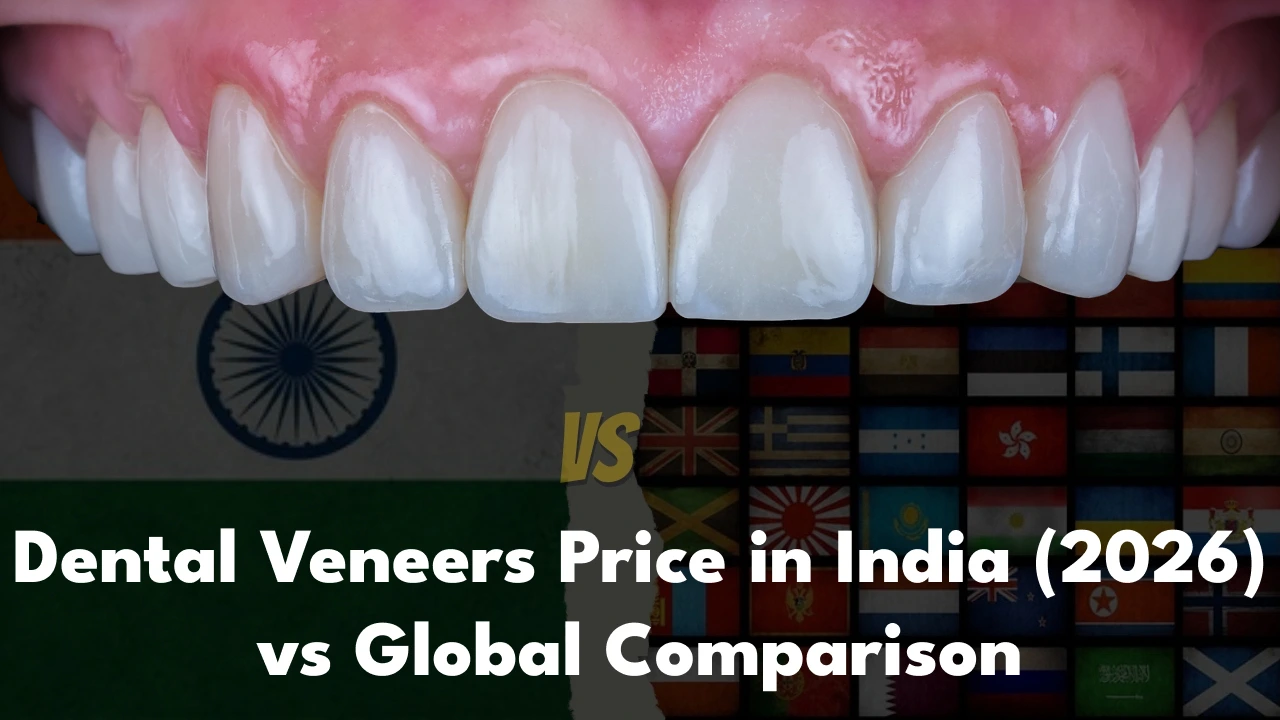
Teeth Whitening Treatment Guide: Benefits, Cost & Procedure
A bright white smile often signals confidence and good oral health. Over time, however, factors like aging, diet, and lifestyle can cause tooth enamel to become discolored.
Professional teeth whitening (bleaching) is a cosmetic dental treatment that removes stains and lightens teeth using peroxide-based bleaching agents. Whether you’re planning a smile makeover or just want a fresher look for special occasions, understanding whitening options and procedures can help you achieve the best results safely.
Why Do Teeth Become Discolored?
Teeth become discolored when stains build up on the surface or inside the tooth. Over time, these factors make teeth look yellow or gray instead of bright white:
- Aging: Enamel thins with age, revealing yellow dentin underneath.
- Diet/Habits: Dark foods/drinks (coffee, tea, soda, red wine), tobacco use, and smoking deposit pigments on enamel.
- Medications: Certain antibiotics or supplements can cause intrinsic staining of tooth structure.
- Fluorosis: Excess fluoride in childhood can create white or brown spots on enamel.
- Genetics: Some people naturally have slightly darker tooth color due to genetics.
- Oral Hygiene : Infrequent brushing and flossing allow tartar and stains to accumulate.
Understanding the cause helps choose the right whitening approach.
What is Teeth Whitening?
Teeth whitening is a safe cosmetic dental treatment that gently removes stains from your teeth and makes your smile look brighter.
In simple words, it lightens the natural color of your teeth using professional whitening gels or advanced technology. Dentists use clinically tested whitening agents that target deep stains caused by tea, coffee, smoking, food colors, and aging.
It is one of the most common cosmetic dentistry procedures because it improves your smile’s appearance without changing the structure of your teeth.
Benefits of Professional Teeth Whitening
Dentist-supervised whitening offers advantages beyond over-the-counter options. Key benefits include:
- Enhanced Confidence: A whiter smile can boost self-esteem and make you feel more confident in social and professional settings. Many people smile more freely and feel better about their appearance after treatment.
- Youthful Appearance: White teeth often make you look younger and healthier. Removing years of stains freshens the overall look of your face.
- Better First Impressions: A radiant smile leaves a positive impression on others. It signals good grooming and can even improve social or business interactions.
- Oral Health Motivation: People who invest in whitening often become more diligent with oral hygiene afterward. Post-whitening, many brush and floss more regularly to maintain their results.
- Long-Lasting Effects: Professional treatments can remove years of deep-set stains, revealing the natural tooth color. With proper care, the results can last longer than DIY methods.
Overall, a professional whitening treatment is a relatively quick and effective way to revive a dull smile and improve one’s self-image.
Cost of Teeth Whitening (India)
Professional teeth whitening in India usually costs ₹7,000 to ₹20,000 or more per session. The price changes depending on:
- City & clinic location
- Dentist’s experience
- Type of whitening (laser whitening, advanced gel whitening, etc.)
- How many shades of whitening do you want
How Professional Whitening Works
Professional whitening is typically done in a dental clinic under supervision. Expert smile designer dentists use high-concentration bleaching gels (hydrogen peroxide or carbamide peroxide) that penetrate the enamel and break down stain molecules. Often, a special light or laser is applied to activate the gel and speed up the process.
Find Ultimate Smile Designers
- Consultation : The process begins with a dental exam. The dentist checks oral health, discusses your desired shade, and evaluates any sensitivity issues.
- Cleaning/Prep: A professional cleaning may be done first to remove surface plaque. Gums and lips are protected (with a dental dam or gel barrier) to prevent irritation.
- Application: The whitening gel is carefully applied to the teeth. In-office systems often use a strong gel plus light activation. Each session usually lasts 60–90 minutes with one or more gel applications.
- Monitoring: The dentist monitors the process throughout, checking for sensitivity and ensuring even coverage.
- Multiple Sessions: Depending on the degree of staining, one or more office visits may be needed. Each visit can lighten teeth by several shades.
Professional in-lab whitening: A dentist applies a high-strength peroxide gel and uses a light or laser to activate the bleaching process.
Because the procedure is done under expert care, the results are immediate and dramatic. Dentists can also adjust the concentration or use desensitizing agents to reduce discomfort. After treatment, you should see a noticeably brighter smile right away.
Suitable Candidates for Dental Whitening Treatment
Most adults with generally healthy teeth and gums can get their teeth whitened. Dentists typically look for:
- Healthy Teeth & Gums: No active cavities or gum disease. Teeth should be free of severe enamel erosion.
- Extrinsic Stains: Yellowish stains respond best. Whitening is less effective on gray or brown teeth.
- Realistic Expectations: Whitening brightens natural teeth but won’t change underlying structural issues.
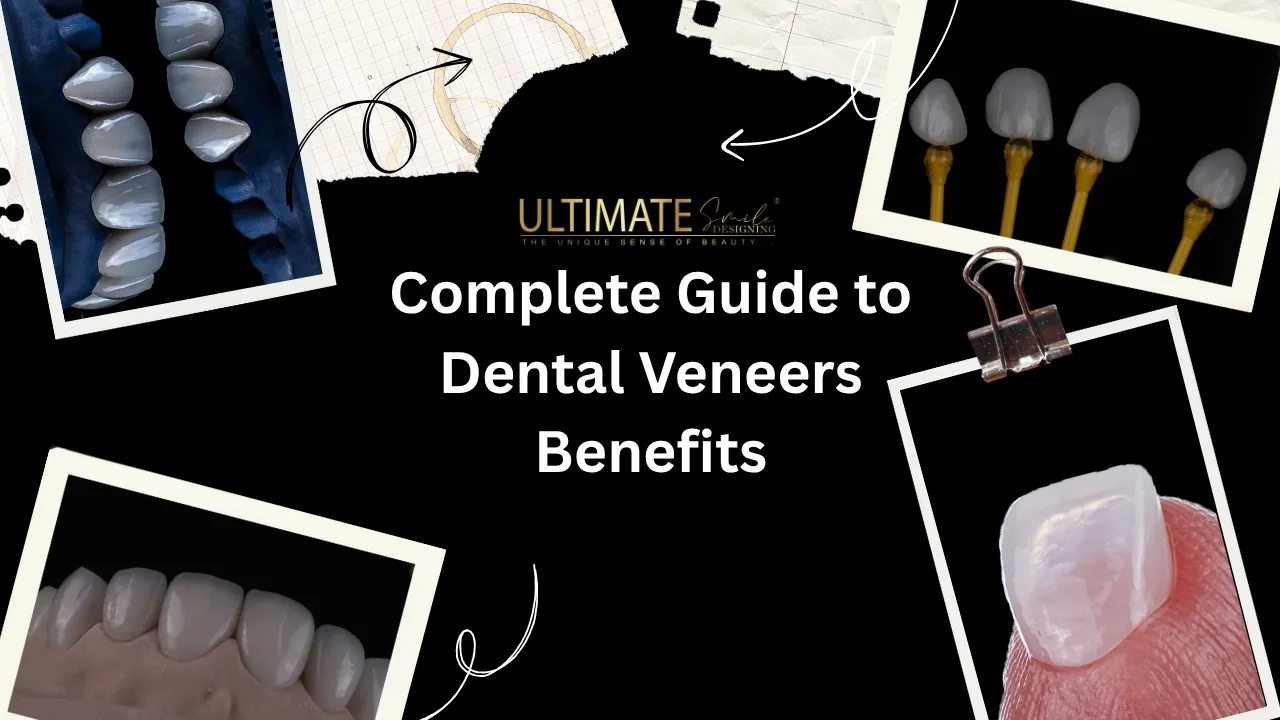
Whitening does not work on artificial teeth or restorations. Veneers , crowns , fillings, and bonding do not bleach. If you have multiple cosmetic restorations, your dentist might recommend replacing them after whitening to match the new shade. Severe intrinsic stains (e.g., tetracycline) may also need alternatives like veneers for the best results.
Safety First: Is Teeth Whitening Safe?
When done properly, teeth whitening is generally safe. Dentists use products that meet standards, and they shield gums and tissues. Common precautions include:
- Use by Age: Most dentists only whiten adult teeth (usually 16+), since baby teeth and adolescent teeth can stain unevenly.
- Avoid Overuse: Excessive bleaching (frequency or concentration) can harm enamel. Follow your dentist’s or product instructions.
- Sensitivity and Irritation: Some patients feel mild, temporary sensitivity to hot/cold or slight gum soreness after whitening. This typically fades in a day or two. Using a sensitive toothpaste before/after treatment can help.
- Consult a Dentist First: A check-up ensures there are no hidden cavities or gum issues that whitening could aggravate. Dentists can also advise if a patient’s dental work might be affected (for example, existing crowns won’t lighten).
All in all, professional whitening under dental care is very safe. The key is not to over-bleach teeth and to follow aftercare guidelines. According to dental experts, whitening is an “inexpensive and relatively quick” way to improve your smile without major risks, as long as patients follow instructions.
Maintaining Your Bright Smile
After whitening, your habits determine how long the results last. The brighter shade can last from several months up to 2–3 years, depending on diet and care. Follow these tips to prolong your smile:
- Good Oral Hygiene: Brush twice a day with a soft-bristle toothbrush and floss daily. Use a non-abrasive or whitening toothpaste to prevent new stains.
- Avoid Staining Foods/Drinks: For at least 48 hours after treatment, stick to a “white diet” – avoid coffee, tea, red wine, dark sodas, berries, and sauces. Long-term, limit these or rinse your mouth after consuming them.
- Quit Smoking: Tobacco causes deep staining and can quickly dull your new whitened shade.
- Use a Straw: When drinking dark beverages (coffee, cola, tea), use a straw to minimize contact with teeth.
- Touch-Up Treatments: Ask your dentist about occasional top-up kits or strips to maintain brightness (often needed 1–2 times per year).
- Regular Dental Cleanings: Professional cleanings remove surface plaque and stains that build up over time, keeping your whitening results fresh.
Maintaining after whitening: Regular dental cleanings and good hygiene help preserve your bright smile.
Sticking to these practices can keep your smile white for longer. Remember, teeth will gradually re-stain with normal eating and aging, so touch-ups are normal.
Teeth Whitening in Smile Design
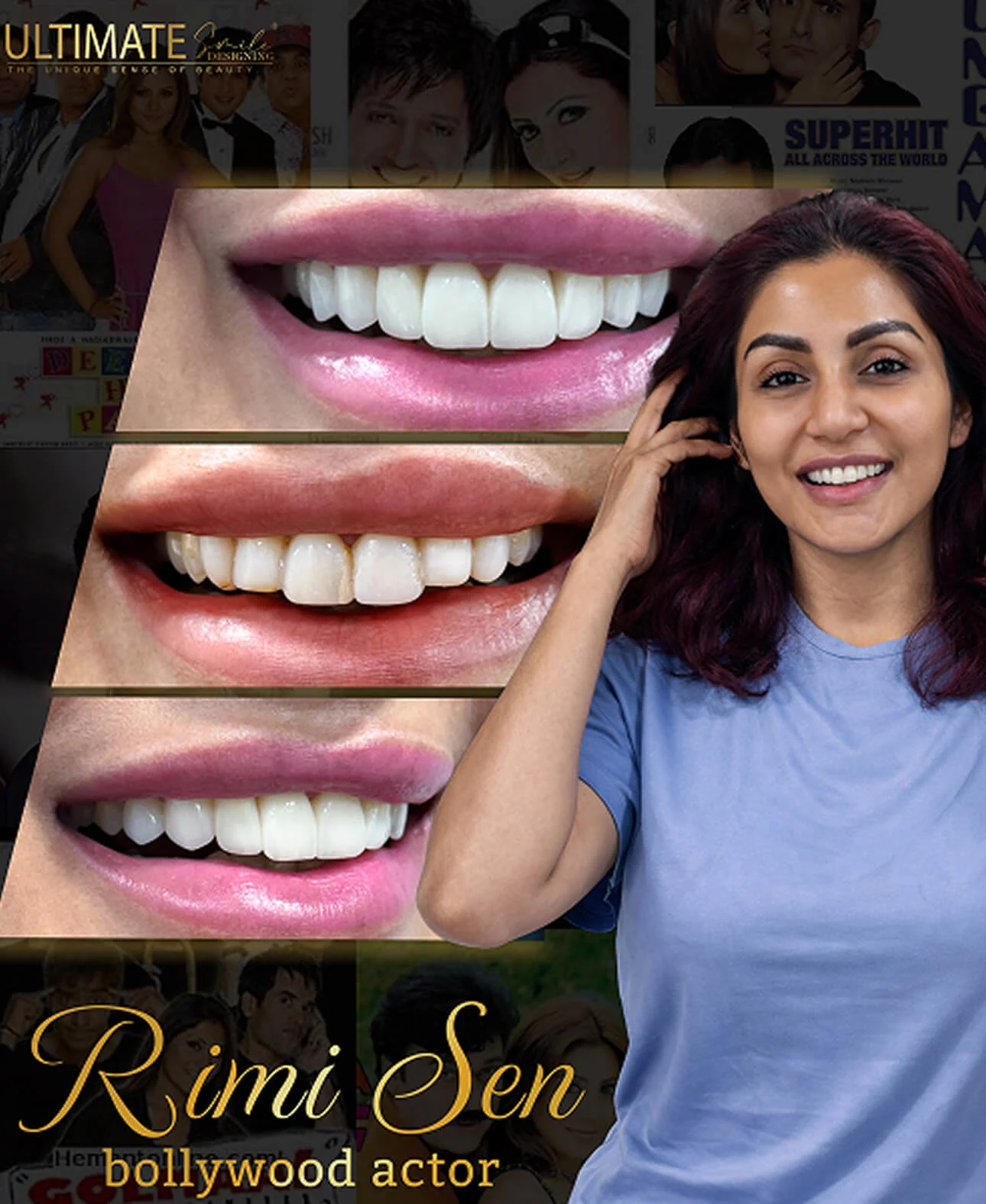
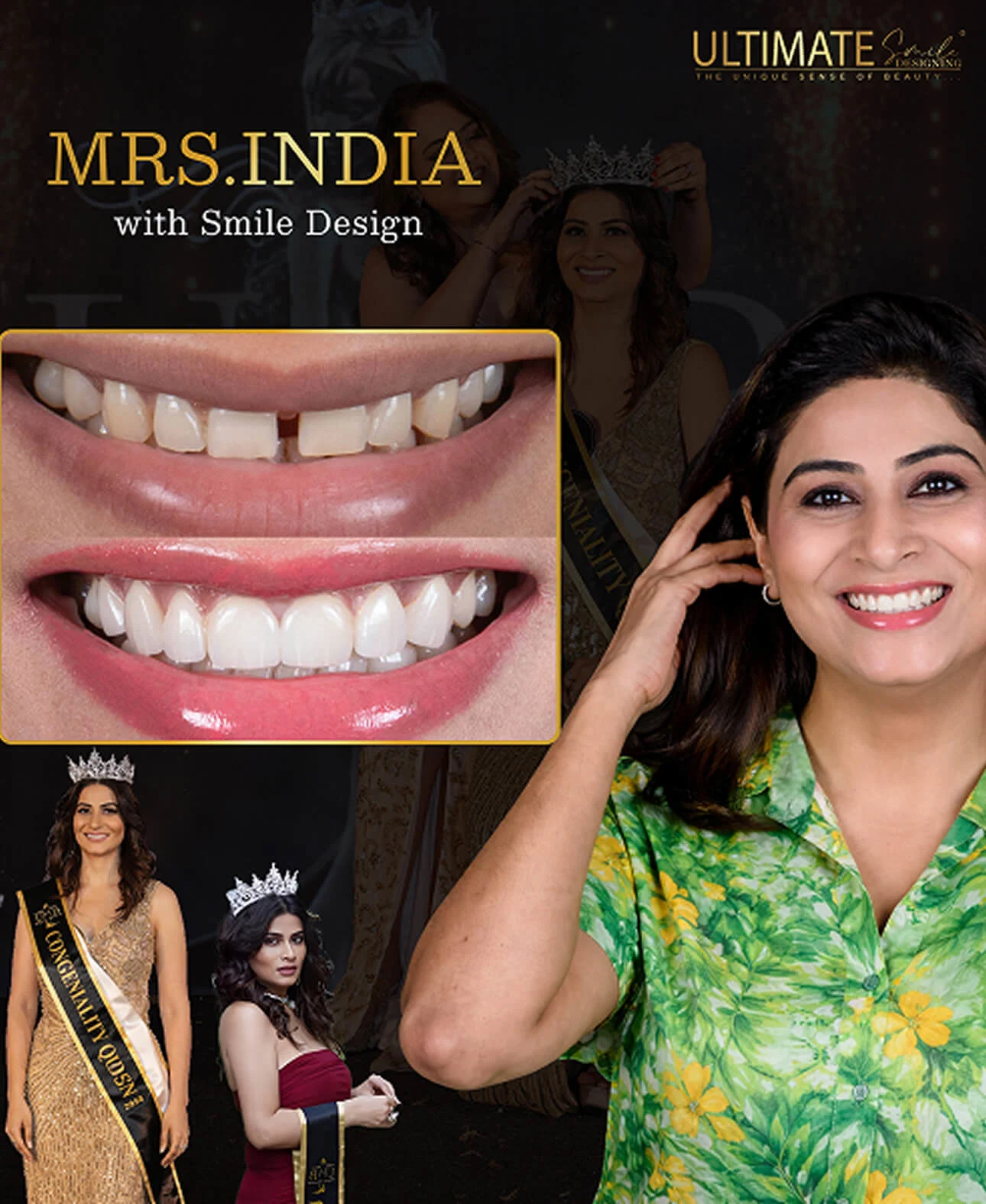
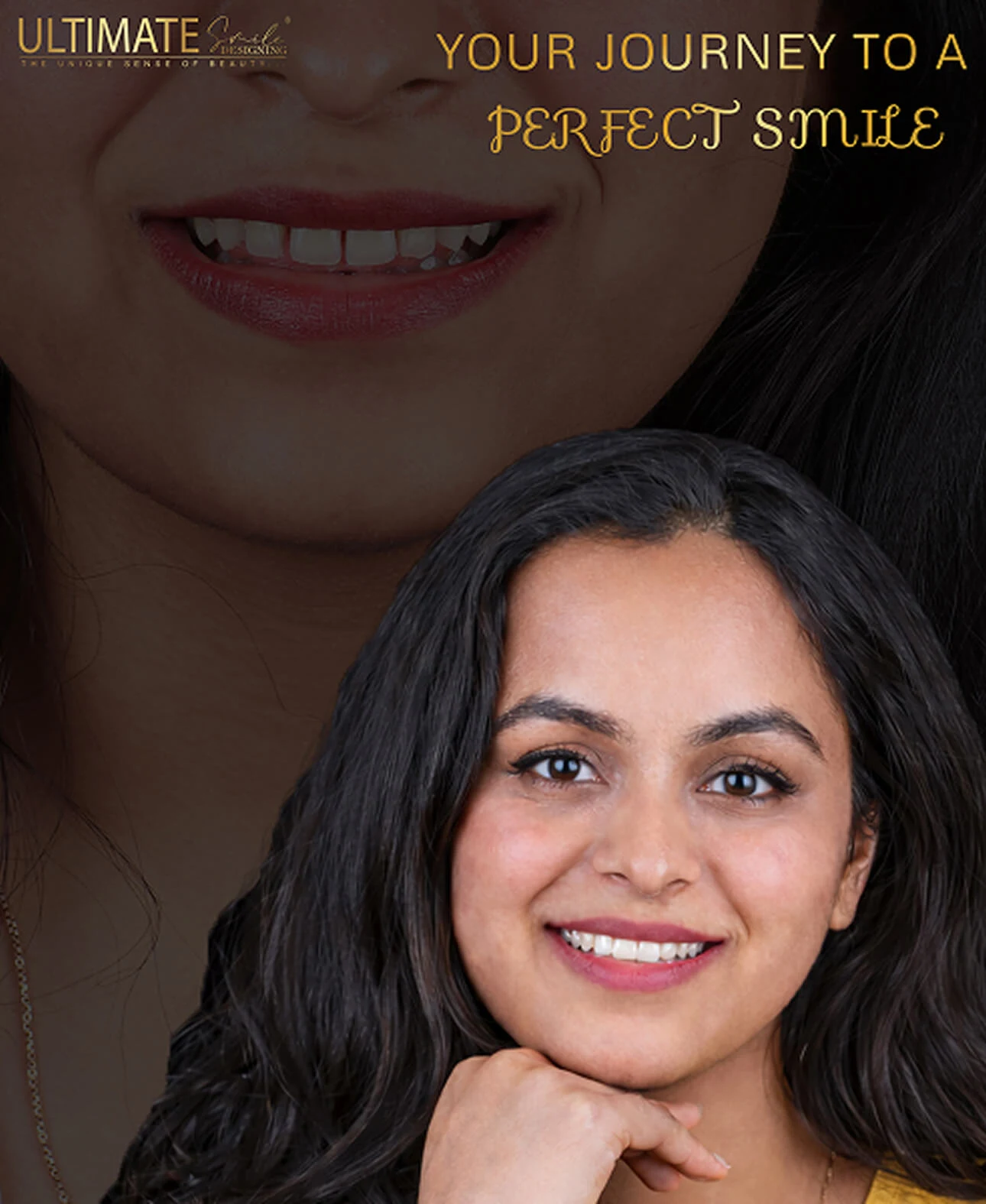
A smile design or makeover is a comprehensive plan that may combine multiple cosmetic procedures. Teeth whitening is often one component of this plan, used alongside veneers, bonding, orthodontics, and other treatments to achieve a harmonious look. In fact, cosmetic dentists note that whitening is frequently the first step and final polish of a smile makeover.
For example, after straightening teeth with braces or aligners, dentists recommend whitening as a “finishing touch” to ensure all teeth match in color. Likewise, if veneers or bonding are planned, whitening natural teeth first ensures that the final tooth shade can be matched perfectly.
Our certified dentists at Ultimate Smile Design customize each treatment plan. They consider tooth color, shape, and patient features together. Whitening brightens teeth so that the results of any further restorations or aligners look natural and vibrant.
Conclusion
Professional teeth whitening is a fast, effective way to refresh your smile and confidence. In India, many choose it as part of a complete smile design. With proper dental supervision, whitening safely removes years of stains and can make you look younger and more attractive. To maintain your new smile, follow your dentist’s aftercare tips and avoid stain-causing habits.
Frequently Asked Questions
- How long do teeth whitening results last?
Whitening is not permanent. With good oral care, results typically last 6 months to a few years. Habits like smoking or drinking dark beverages can shorten this, while touch-up treatments and cleanings help maintain whiteness. - Can I whiten teeth with crowns, veneers, or fillings?
No. Whitening works only on natural tooth enamel. Crowns, veneers, and fillings will not change color. If you have many restorations, a dentist might replace them after whitening to match the new shade. - Does whitening damage enamel or hurt?
When used correctly, whitening is safe and should not harm enamel. Some people feel temporary sensitivity (mild toothache with hot/cold) for a day or two after treatment, but this subsides on its own or with special toothpaste. Dentists use protective measures to keep gums comfortable. - What should I avoid after whitening?
For the first 48 hours, avoid foods/drinks that stain (coffee, tea, red wine, berries, cola, curry, etc.) and tobacco. After that, maintain good brushing/flossing habits. Using whitening toothpaste and regular dental cleanings will help keep teeth bright. - How can I get started with teeth whitening?
Begin with a dental check-up. Find your nearest expert dentist at Ultimate Smile Design. Your dentist will assess your oral health and staining type, then recommend the best whitening option.
FAQs
Teeth darken when extrinsic or intrinsic stains build up. Aging thins enamel to reveal yellow dentin, while dark foods/drinks, tobacco, some medications, excess fluoride, and inadequate oral hygiene deposit pigments and cause white or brown spots.
Whitening lightens your natural tooth color using peroxide‑based gels or advanced technology. Dentists apply clinically tested whitening agents that penetrate enamel and break down stains from tea, coffee, smoking, and aging.
Professional whitening boosts self‑confidence, makes you look younger, improves first impressions, and motivates better oral hygiene. It also removes deep stains more effectively than over‑the‑counter methods, giving long‑lasting results.
In India, professional whitening costs ₹7,000–₹20,000 or more per session. Prices depend on the clinic’s location, the dentist’s experience, the type of whitening, and the degree of shade change desired.
After a dental exam, the dentist cleans your teeth, protects gums, and applies a high‑concentration gel activated with light or laser. Each session lasts 60–90 minutes, and multiple visits may be needed for darker stains.


With over 20 years of unparalleled experience at the forefront of digital dental technology, I’m passionate about elevating dental care through state-of-the-art dental technologies. I remain dedicated to empowering dentists and practitioners by providing cutting-edge custom dental solutions that combine artistry, efficiency, and predictability, continuously exploring AI-driven design to shape the future of restorative dentistry.
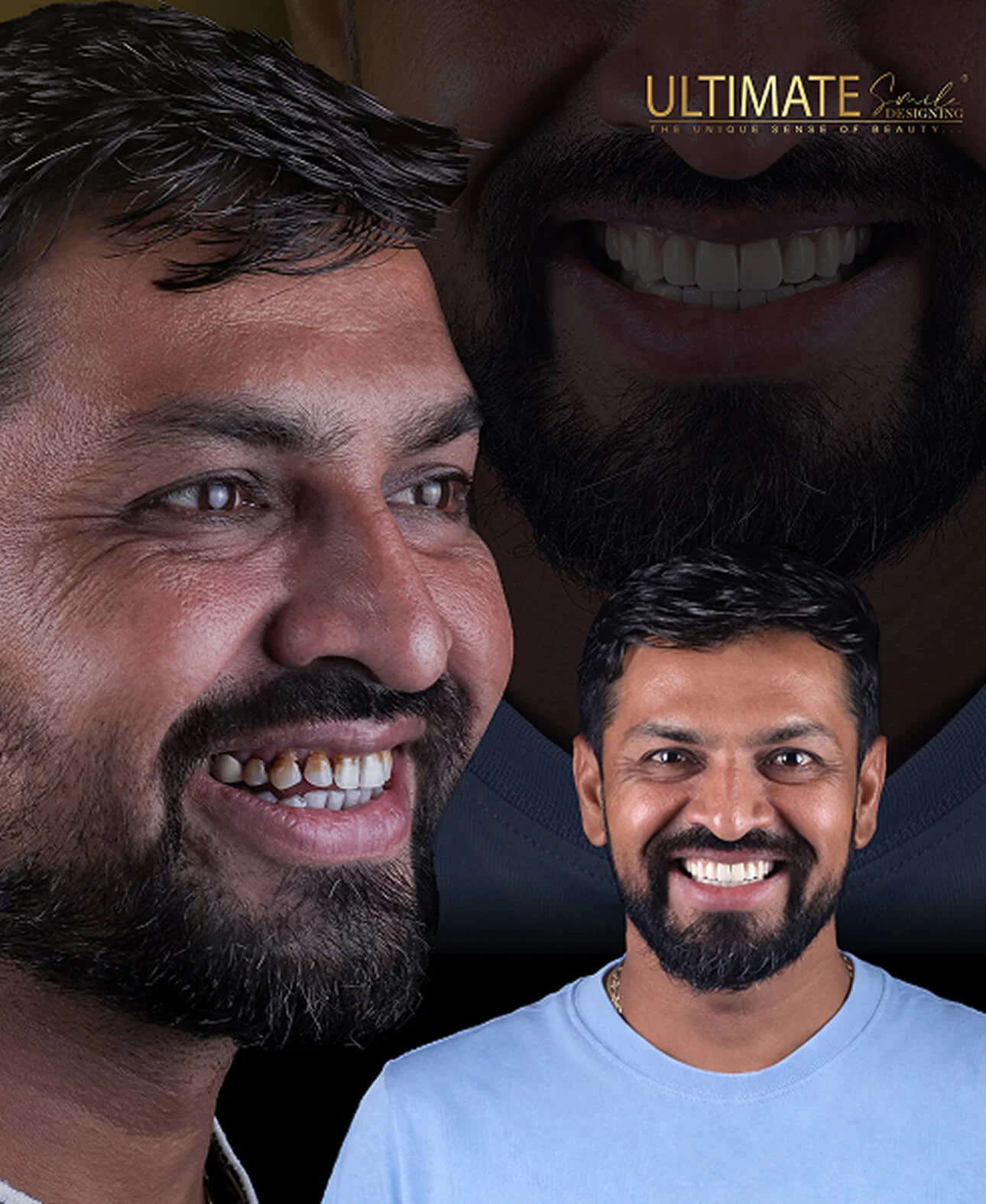
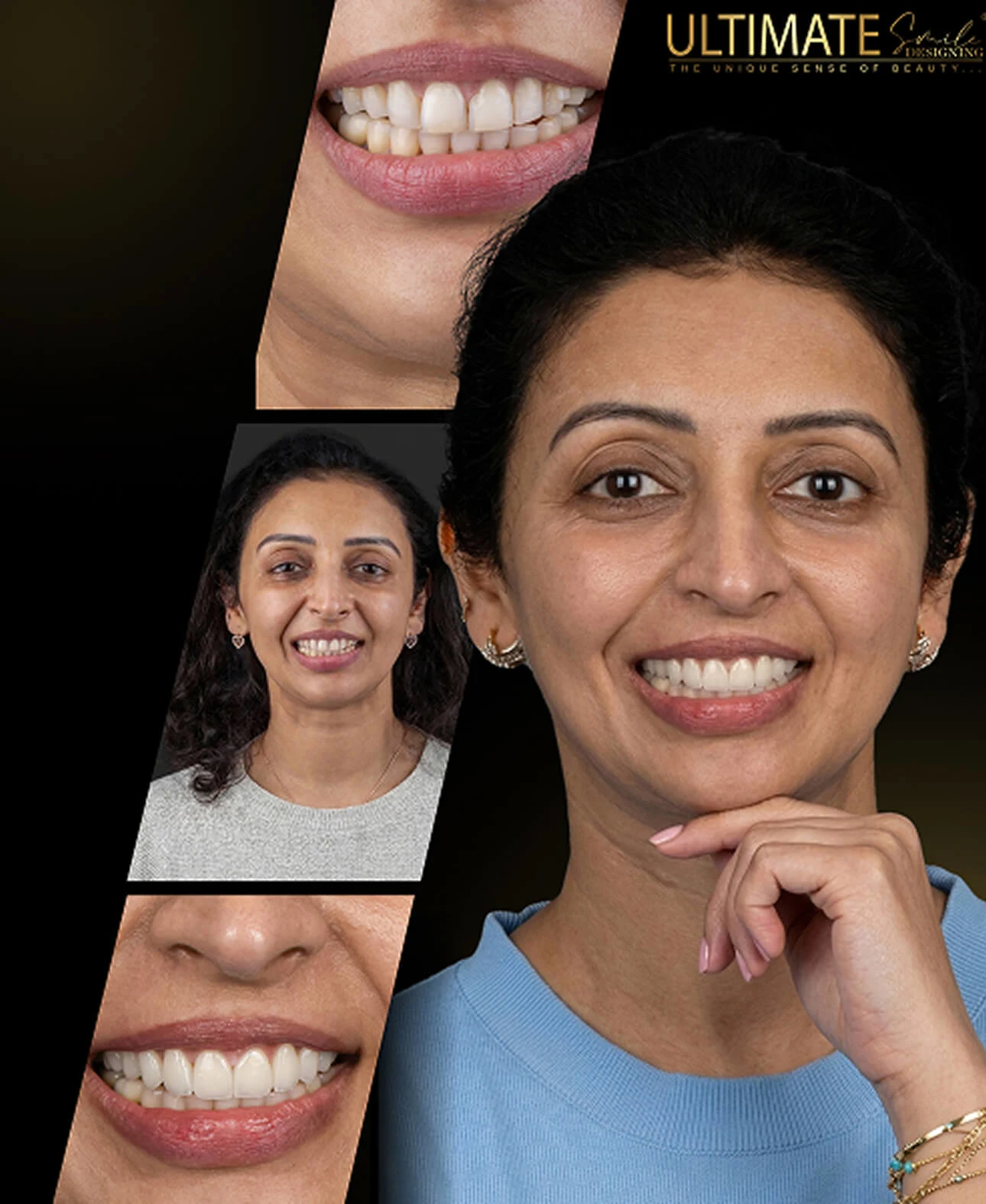
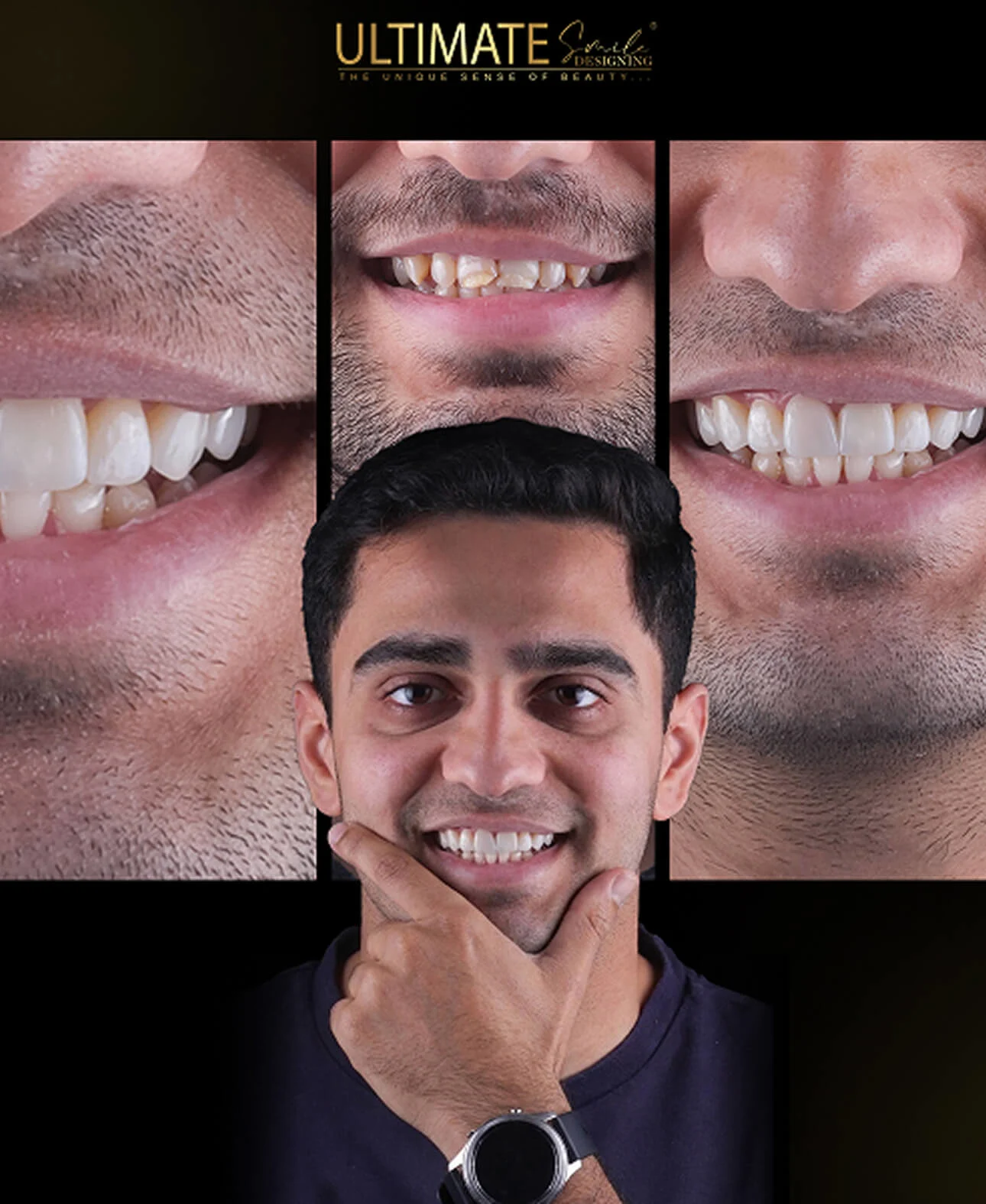
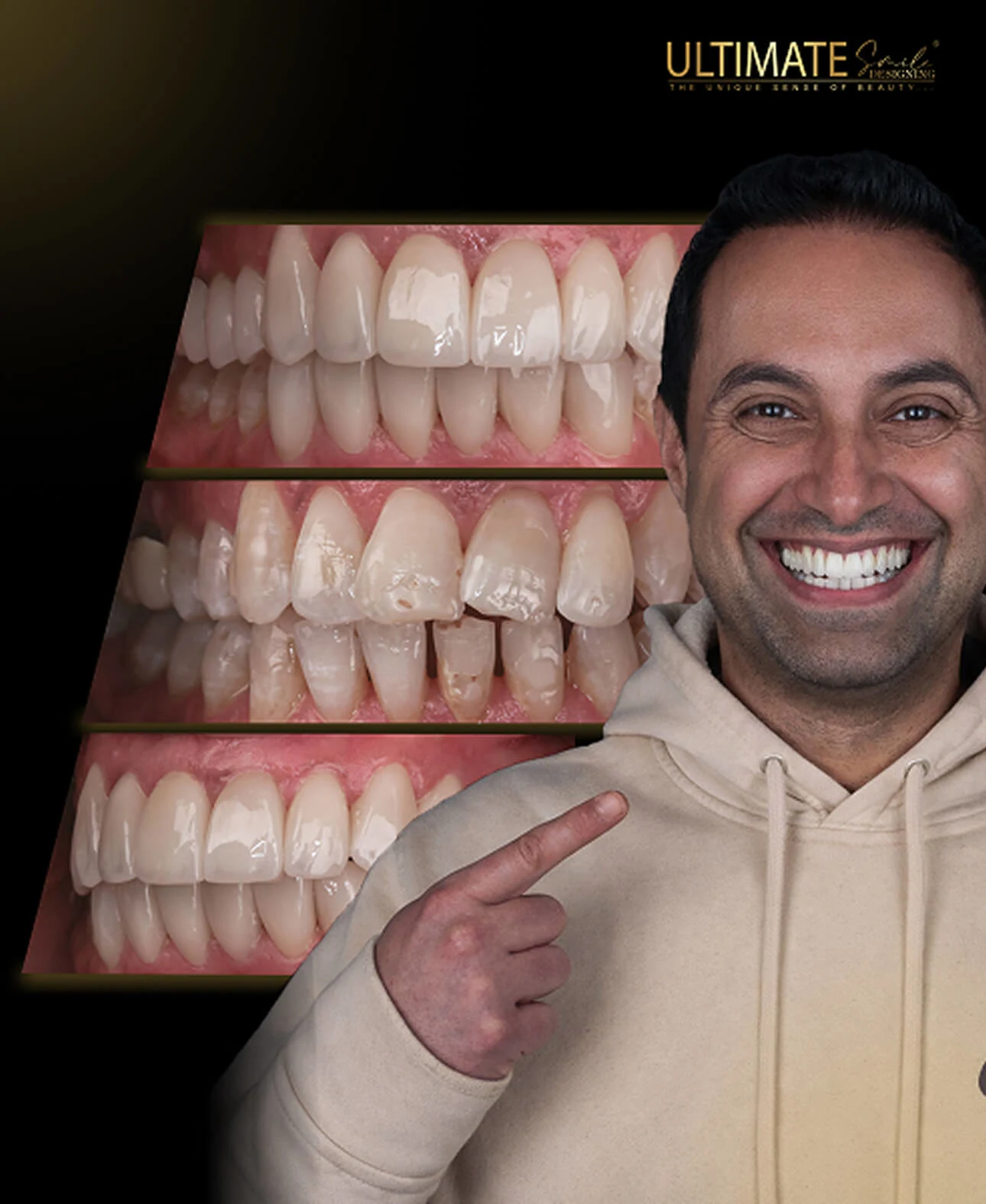
Smile Design Before & After