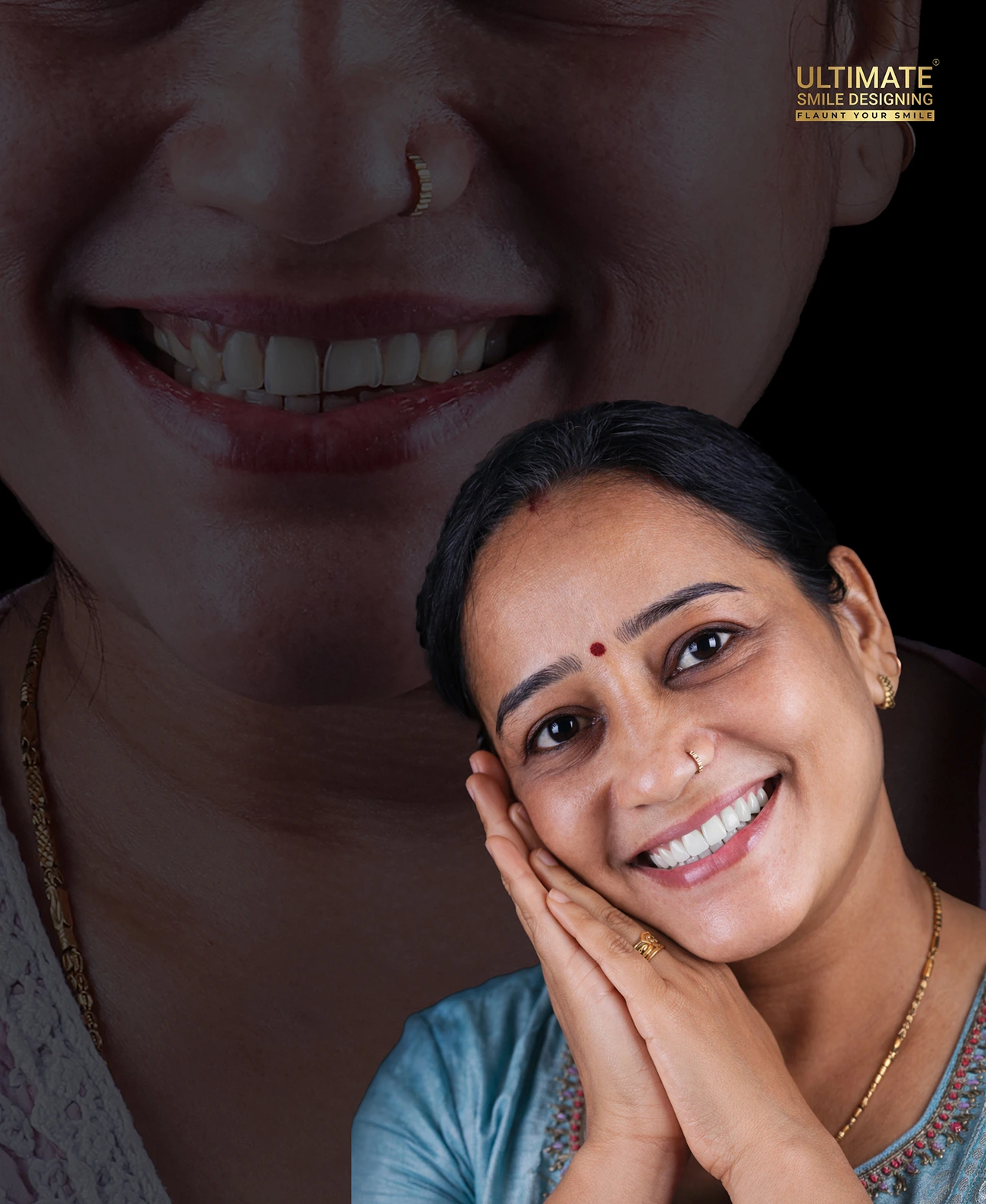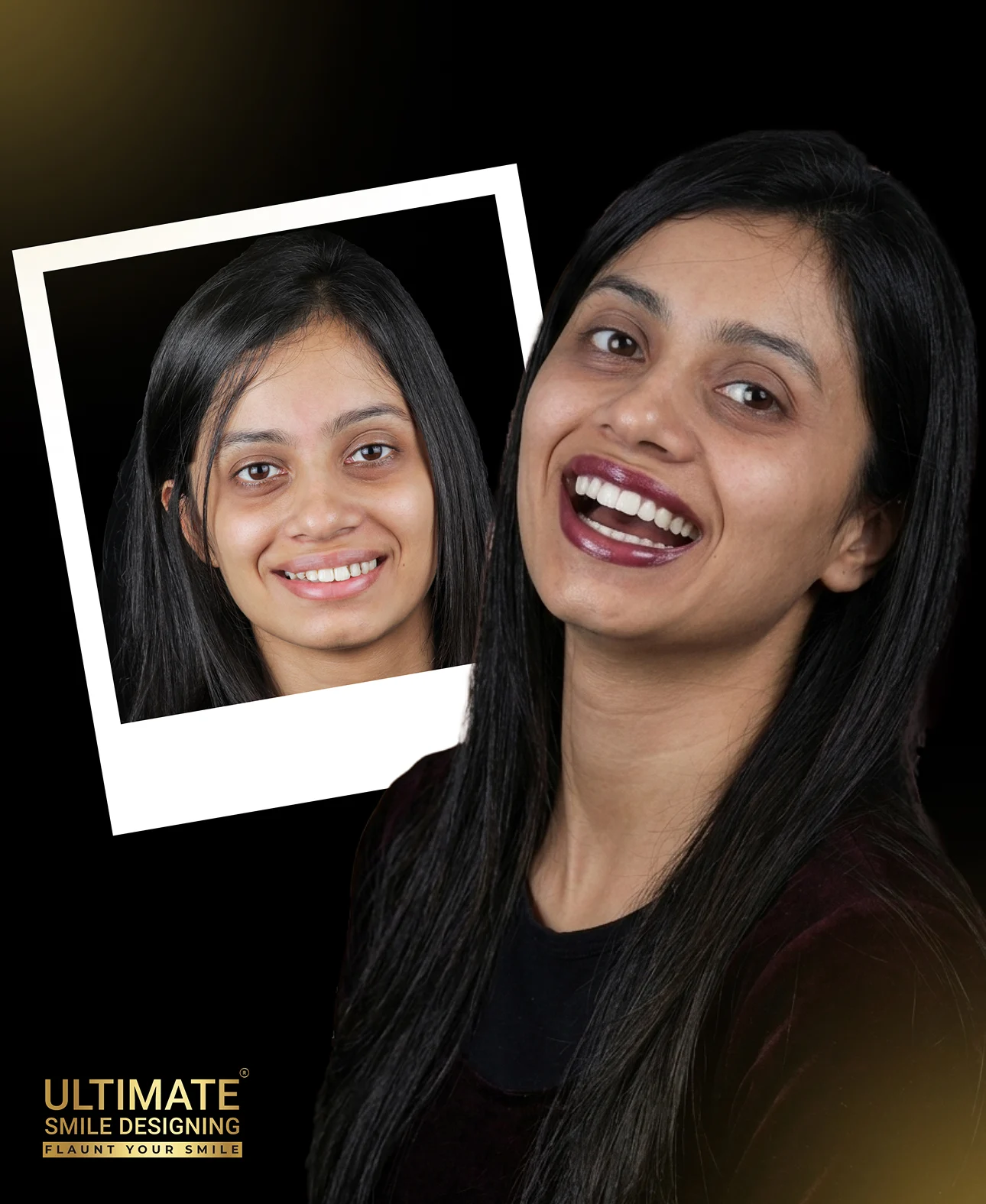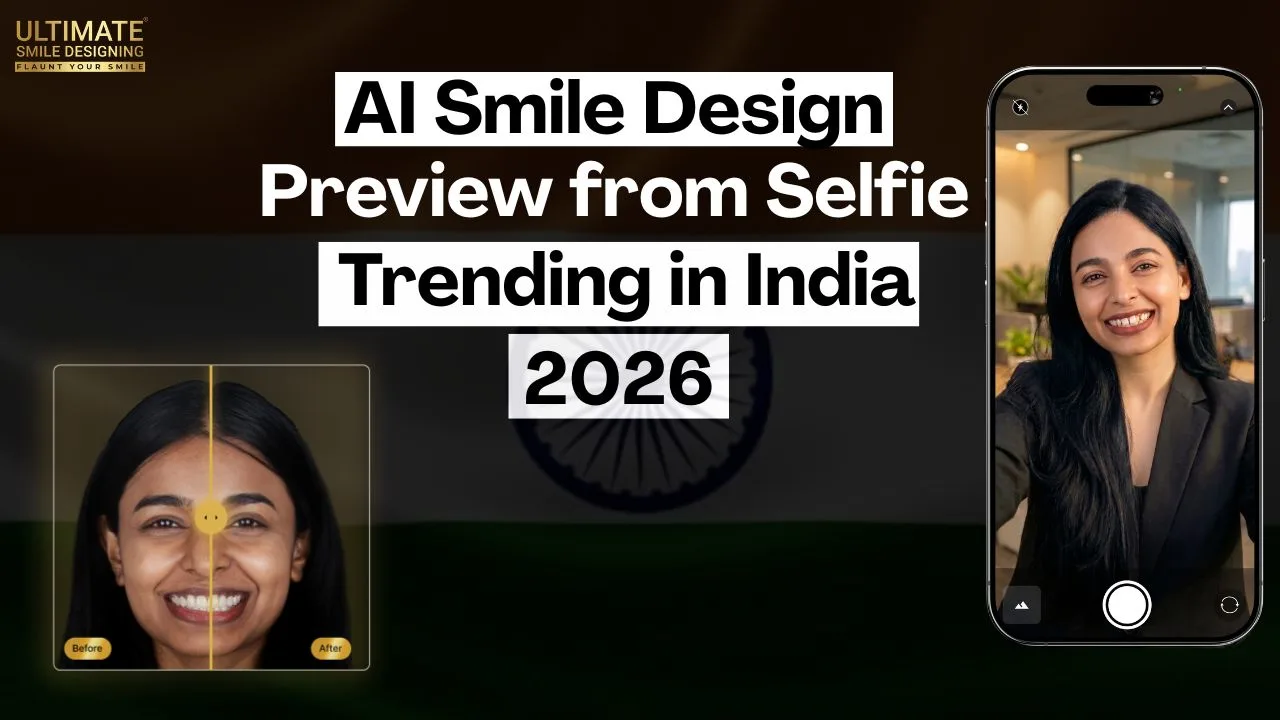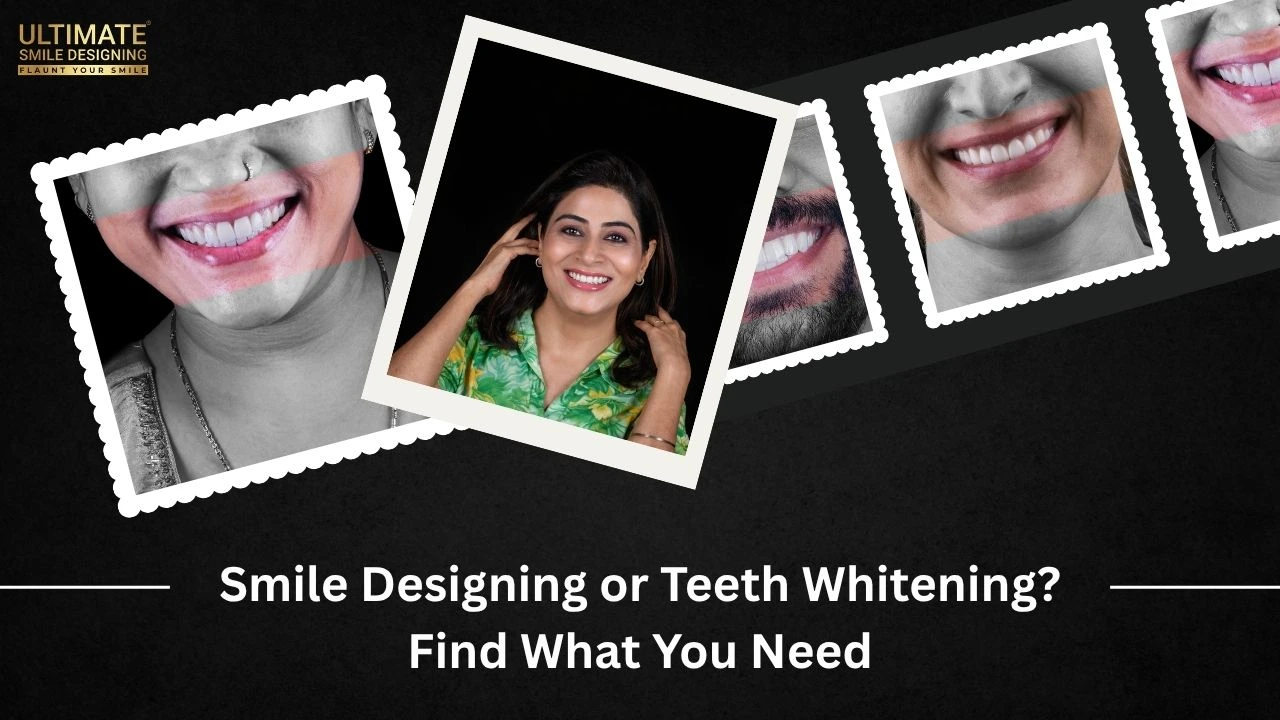


Smile Design: Explore Procedure, Treatments, Benefits & Pricing

If you are wondering whether smile design is just veneers, the short answer is no. Smile design is a personalized treatment-planning process that combines facial analysis, tooth aesthetics, gum balance, and bite function to improve your smile in a way that still looks natural and works well.
In many cases, the best plan starts conservatively with whitening, bonding, or aligners before anyone even considers veneers. A good smile design plan should answer five things early: what is changing, why it needs changing, which treatment is the least invasive option, how much it may cost, and what result is realistic for your face and oral health.
What is Smile Design?
Smile design is a customised dental planning approach that improves the appearance of your smile while protecting oral health and function. It is not one single procedure. It may involve whitening, bonding, aligners, veneers, gum contouring, implants, or crowns, depending on your teeth, gums, bite, and goals.
Smile design works best when it is treated as a structured plan rather than a cosmetic shortcut. Classical smile-design literature stresses that the smile should be analysed at different levels: your face, your lips and teeth together, and your teeth and gums themselves. That is why the right treatment for one person may be whitening and bonding, while another may need orthodontics, gum reshaping, or implant-supported restoration.
In short, Smile design = 👉 Plan + Analysis + Trial + Final Treatment
What a proper smile design assessment usually looks at:
- Tooth colour, shape, size, and symmetry
- Lip line and how much tooth or gum shows when you smile
- Bite relationship and alignment
- Crowding, spacing, chips, wear, or missing teeth
- Gum health, gingival contour, and whether there is a “gummy smile.”
- Whether a conservative option can solve the problem before a more invasive one is considered
Who is a Good Candidate for Smile Design?
You may be a good candidate if your teeth and gums are healthy enough for cosmetic treatment and you want to improve stains, chips, minor gaps, uneven tooth shape, gummy smile concerns, mild crowding, or missing teeth. If you have active decay, gum disease, or unresolved bite issues, those usually need to be treated first.
Smile design is often most useful for patients who want a personalised result rather than a one-size-fits-all makeover. It can be ideal if you want your smile to look more balanced, brighter, less worn, or more harmonious with your face — but still believable, not artificial.
You are more likely to benefit if you have:
- Stains that do not improve enough with routine cleaning
- Chipped, short, worn, or uneven front teeth
- Mild gaps or minor shape irregularities
- Crooked or crowded teeth that may respond to aligners or braces
- Excessive gum display or an uneven gum line
- One or more missing teeth affecting both appearance and function
What are the Benefits of Smile Design?
Smile design is not just about beauty—it improves looks, confidence, and function together. Basic benefits of smile design are:
- Better Appearance: Smile design makes your teeth look clean, straight, and well-shaped. It improves the overall balance of your smile with your face, giving you a more attractive and natural look.
- Boosts Confidence: When your smile looks good, you feel more confident while talking and smiling. You don’t feel the need to hide your teeth, and you can express yourself freely.
- Improves Oral Health: Properly aligned teeth are easier to clean, which helps prevent cavities and gum problems. This keeps your teeth and gums healthier in the long run.
- Better Function (Bite & Chewing): Smile design ensures your teeth meet correctly, improving your bite. This makes chewing food and speaking more comfortable and efficient.
- Long-lasting Results: Treatments used in smile design, like veneers and implants, are durable and can last for many years with proper care, giving you long-term benefits.
- Customized for You: Smile design is planned based on your face, lips, and personality. This ensures the final result suits you perfectly and looks natural.
Find Ultimate Smile Designers
How Does the Smile Design Process Work?
A proper smile design process usually moves through consultation, records and scans, digital or physical preview, conservative treatment planning, final treatment, and review or aftercare. Simple cases may need only one or two stages, while complex cases involving aligners or implants take longer.
A patient-friendly smile design workflow should look like this:
- Consultation and diagnosis: Your dentist reviews your concerns, oral health, smile line, bite, photographs, and, where needed, X-rays or digital scans. Dental impressions or digital scans help create accurate records for planning.
- Digital analysis and smile preview: Digital Smile Design can use photos, video, intraoral scans, and design software to show a preview of the proposed changes. Reviews of DSD consistently highlight improved visualisation, communication, and treatment planning, while also stressing that software does not replace clinical judgement.
- Mock-up or trial smile: In suitable cases, a dentist may create a mock-up, wax-up, or trial restoration so you can preview the tooth shape, length, and overall balance before making permanent changes.
- Conservative treatment sequencing: The least invasive useful option should be considered first. That might mean cleaning and whitening before bonding, or aligners before veneers, instead of jumping straight to irreversible restorations.
- Final treatment: Depending on the plan, this may involve whitening, composite bonding, aligners, gum contouring, veneers, crowns, implants, or a combination.
- Review and maintenance: Once treatment is complete, retention, polishing, bite checks, and long-term maintenance become part of the result.
Which Treatments Can Be Part of Smile Design?
Smile design is a treatment mix, not a single treatment. The right option depends on whether the main issue is colour, shape, alignment, gum display, or missing teeth. The best plan is usually the one that achieves the goal with the least unnecessary reduction of healthy tooth structure.
A simple treatment-selection framework:
| Treatment | Best for | Main strength | Key limitation |
| Teeth whitening | Surface or intrinsic colour improvement in natural teeth | Fast, conservative first step | Does not whiten crowns, veneers, or other tooth-coloured restorations |
| Composite bonding | Small chips, gaps, uneven edges, minor colour/shape adjustment | Conservative, often reversible, can be done in one visit | Less stain-resistant and less durable than porcelain |
| Veneers | More dramatic shape, colour, and symmetry changes on the front teeth | Highly aesthetic and customisable | Usually needs enamel removal and is not fully reversible |
| Clear aligners or braces | Crowding, spacing, and bite-related alignment concerns | Corrects tooth position rather than just masking it | Takes longer than purely cosmetic surface treatments |
| Gum contouring | Gummy smile or uneven gum line | Improves smile balance and tooth display | Not needed unless gum architecture is part of the problem |
| Dental implants | Missing teeth | Replaces missing teeth while restoring function and appearance | Surgical treatment with a longer healing timeline |
| Crowns | Teeth that need both cosmetic and structural restoration | Covers and protects weakened teeth | Requires more tooth reduction than a veneer |
This comparison reflects current dental guidance: whitening is useful but limited to natural teeth; bonding is conservative yet less durable; veneers deliver great aesthetic change but usually require enamel removal; implants can take months because healing is part of the process; gum contouring is mainly useful where gum display is the real issue.
How Much Does Smile Design Cost in India?
Smile design price in India usually depends on the number of teeth involved, the treatments included, the materials used, the technology used for planning, and the clinician’s expertise. Published clinic guides commonly put the overall range roughly between ₹1,00,000 and ₹6,50,000+ , but the real fee depends on whether the case is simple, moderate, or complex.
| Treatment | Indicative price range in India |
| Teeth whitening | about ₹5,000 to ₹20,000 |
| Composite bonding | about ₹3,000 to ₹8,000 per tooth |
| Veneers | about ₹8,000 to ₹75,000 per tooth |
| Braces or clear aligners | about ₹30,000 to ₹3,00,000+ |
| Dental implants | about ₹25,000 to ₹1,00,000 per tooth |
| Gum contouring | about ₹5,000 to ₹40,000 |
| Full multi-procedure smile makeover | often from ₹1,00,000 to ₹6,50,000+ |
Based on the above pricing, smile design can cost around ₹1,00,000 to ₹6,50,000. In more complex cases, the cost can be even higher.
Which Factors Affect Smile Design Treatment Price?
The final cost of a complete smile design depends on a mix of factors—not just one treatment or one tooth. It depends on:
- Number of teeth involved
- Which procedures are included (veneers/bonding/aligners/gum contouring)
- Material quality (porcelain or composite)
- Technology used (digital scans, mockups, 3D printed trial smile)
- Dentist’s expertise and location (an experienced cosmetic dentist usually charges more)
Is Smile Design Safe and How Long Does it Last?
Smile design is generally safe when it is planned and carried out by a qualified dentist using evidence-based, conservative treatment principles. Longevity depends on which procedures are included. Some components last a few years, while others can last well over a decade with good maintenance.
What patients should know about safety:
- Whitening can cause short-term tooth sensitivity and gum irritation, especially if overused.
- Veneers are cosmetic and often involve enamel removal, so the decision should be deliberate rather than impulsive.
- Bonding is usually gentler and more reversible, but it can chip and stain over time.
- Gum contouring is appropriate when excess or uneven gum tissue is genuinely part of the smile problem.
- Implants are highly effective, but they require surgery and time to heal.
A Realistic Patient-Facing Longevity Guide:
- Teeth whitening: roughly six months to three years
- Bonding: roughly three to 10 years, often needing touch-ups
- Veneers: roughly five to 15 years, sometimes longer, depending on the case and care
- Crowns: often five to 15 years
- Implants: can last a lifetime with proper care, though the crown on top may still need replacement over time
- Gum contouring / enameloplasty: often long-lasting or permanent once appropriately done
How Do You Choose the Right Smile Design Dentist?
Choose a dentist who explains the diagnosis clearly, shows before-and-after work similar to your case, discusses conservative options before invasive ones, and is willing to talk honestly about risks, maintenance, and whether you need a specialist such as an orthodontist, periodontist, prosthodontist, or implant dentist.
A trustworthy consultation should include:
- Photographs, scans, and an explanation of what is actually being corrected
- A discussion of alternatives, not just the most expensive option
- Clarity on whether gums, alignment, or missing teeth change the plan
- Realistic treatment timing and maintenance expectations
- Clear pricing and what is included
- Evidence of clinical experience, case examples, and proper sterilisation and aftercare protocols
If you’re considering smile design, book a consultation that focuses on diagnosis first — not just cosmetic sales. Ask for a preview where appropriate, ask what the most conservative option is, and make sure the final plan suits your face, bite, and long-term oral health.
Conclusion
Smile design is a customized approach. It can involve veneers, whitening, gum contouring, aligners, bonding—or a thoughtful mix of these—chosen based on what your smile actually needs, not a one-size-fits-all formula.
If you’re considering getting smile design:
- Start with a consultation
- Ask for a digital preview/mockup
- Understand your procedure options
- Choose an experienced cosmetic dentist with real before/after results
FAQs
Smile design is a personalized dental treatment-planning process used to improve smile appearance while protecting oral health and function. It can include whitening, bonding, aligners, veneers, gum contouring, implants, or crowns, depending on the case.
Not exactly. Smile design is the planning method, while a smile makeover is the actual combination of treatments chosen for the patient. Veneers are only one possible treatment within that plan.
Usually, yes, when it is planned by a qualified dentist and uses the least invasive suitable option. The main safety issue is choosing the wrong treatment or overtreating healthy teeth, especially when veneers or crowns are used unnecessarily.
No. Many cases are treated with whitening, bonding, aligners, gum contouring, or implants instead of veneers, or before veneers are even considered. A good plan chooses the right tool for the actual problem.
Published clinic guides commonly place smile design in India anywhere from about ₹1,00,000 to ₹6,50,000+, depending on how many teeth are involved and whether the treatment includes procedures like whitening, bonding, veneers, aligners, implants, or gum contouring.
Simple cases can be completed in one or two visits, while more complex plans involving aligners or implants take weeks or months. Implants often need healing time, and orthodontic correction is typically the longest phase.
It depends on the treatment. Whitening may last months to a few years, bonding often needs touch-ups within several years, veneers and crowns often last many years, and implants can last a lifetime with good care.
Someone with healthy teeth and gums who wants to improve stains, chips, uneven tooth shape, minor gaps, mild crowding, gum display, or missing teeth may be a strong candidate. Untreated decay and gum disease should usually be treated first.

With over 20 years of unparalleled experience at the forefront of digital dental technology, I’m passionate about elevating dental care through state-of-the-art dental technologies. I remain dedicated to empowering dentists and practitioners by providing cutting-edge custom dental solutions that combine artistry, efficiency, and predictability, continuously exploring AI-driven design to shape the future of restorative dentistry.
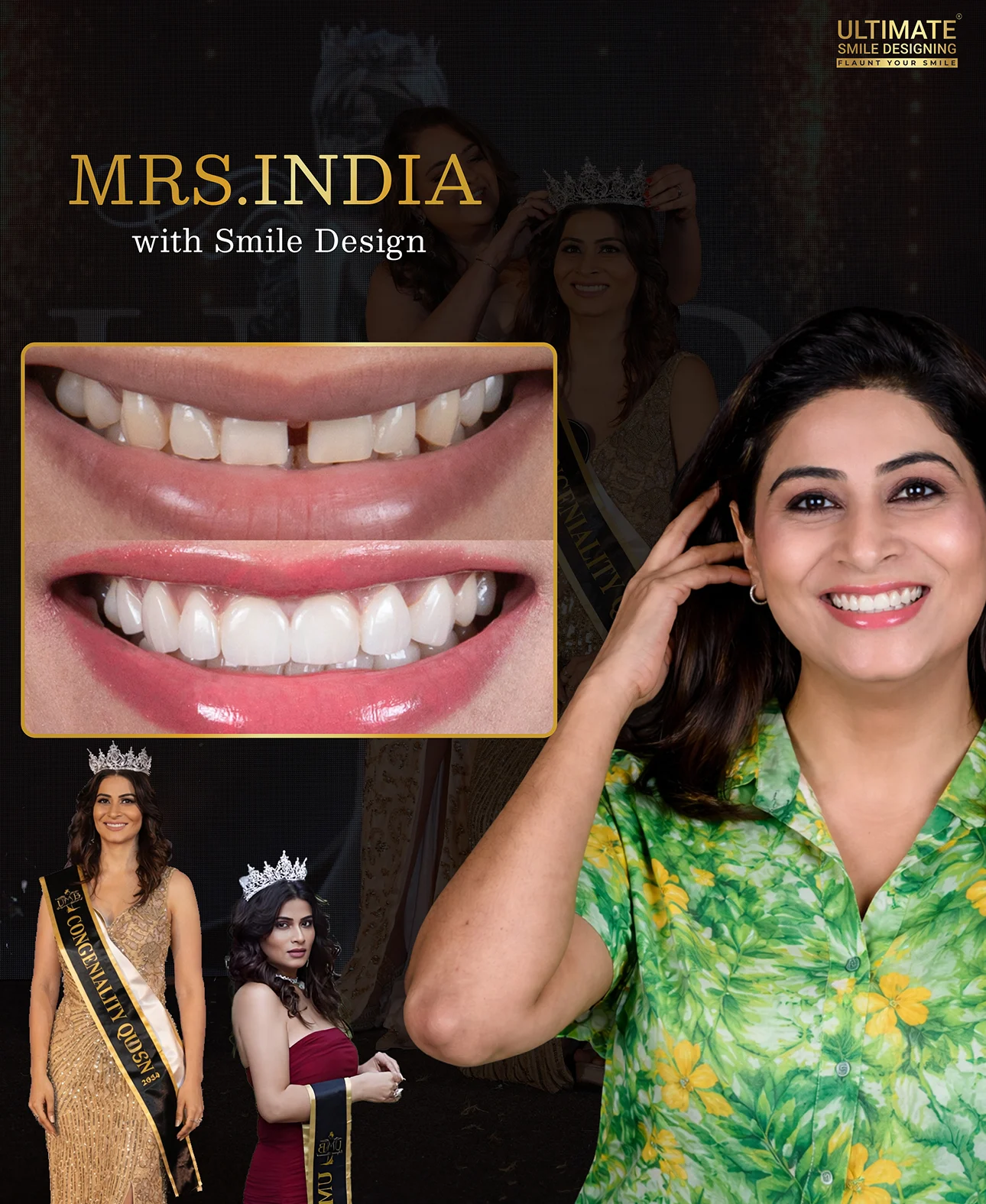
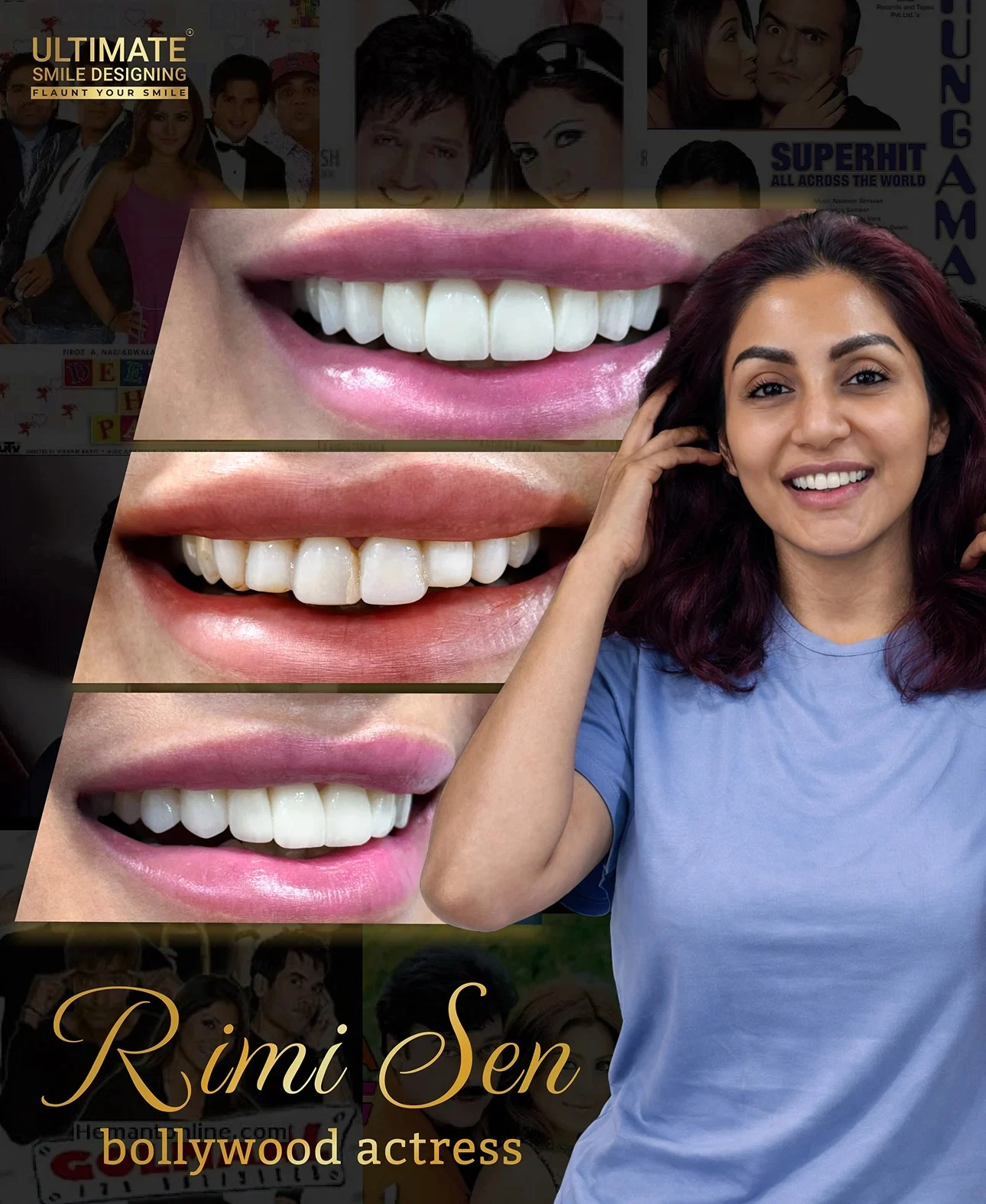
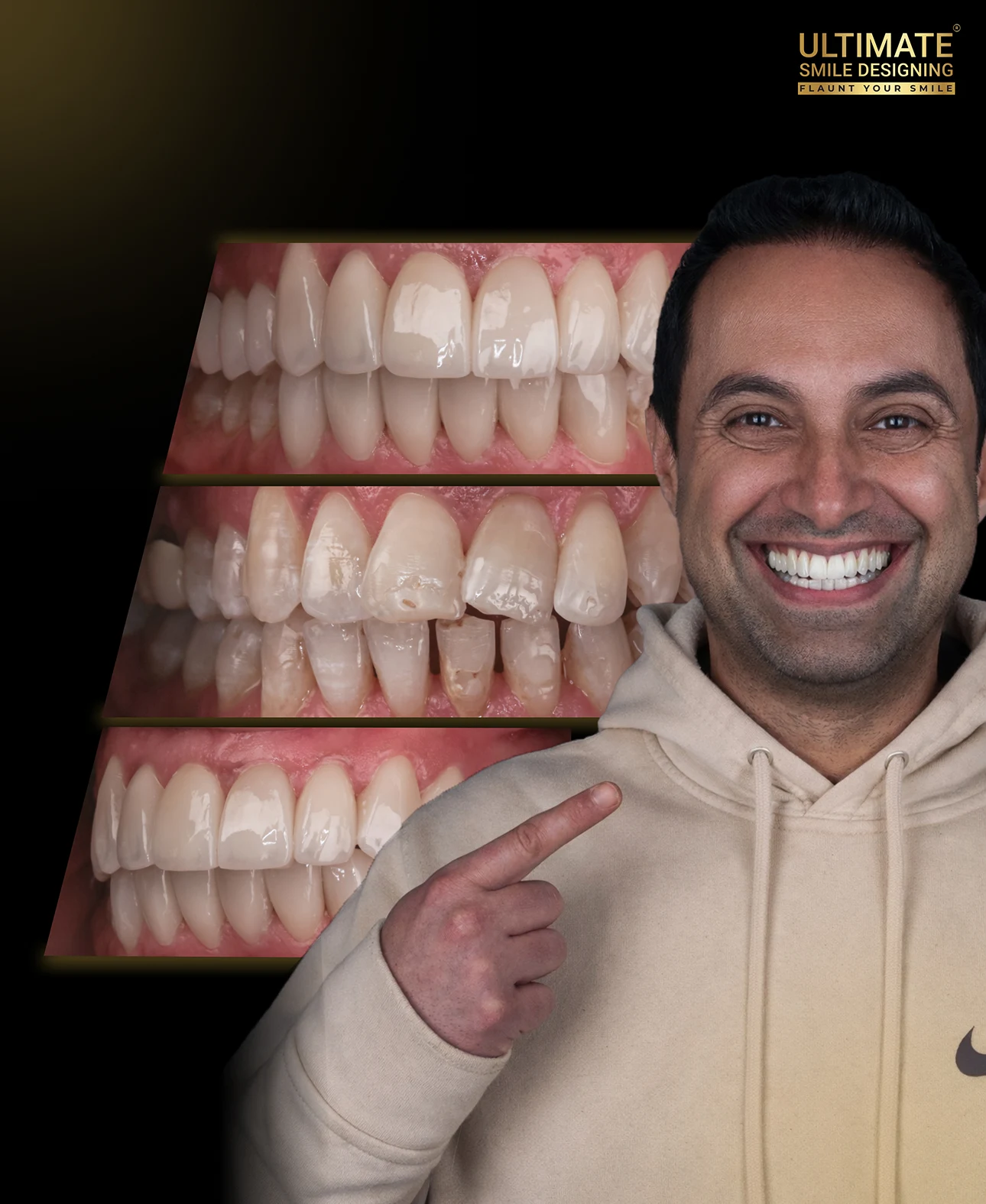
Smile Design Before & After