Smile Design vs Teeth Whitening: Which Do You Need? Signs & Reasons
Snapshot
- Teeth Whitening Limitation: Teeth whitening improves colour but cannot correct shape, spacing, alignment, or gum-related concerns.
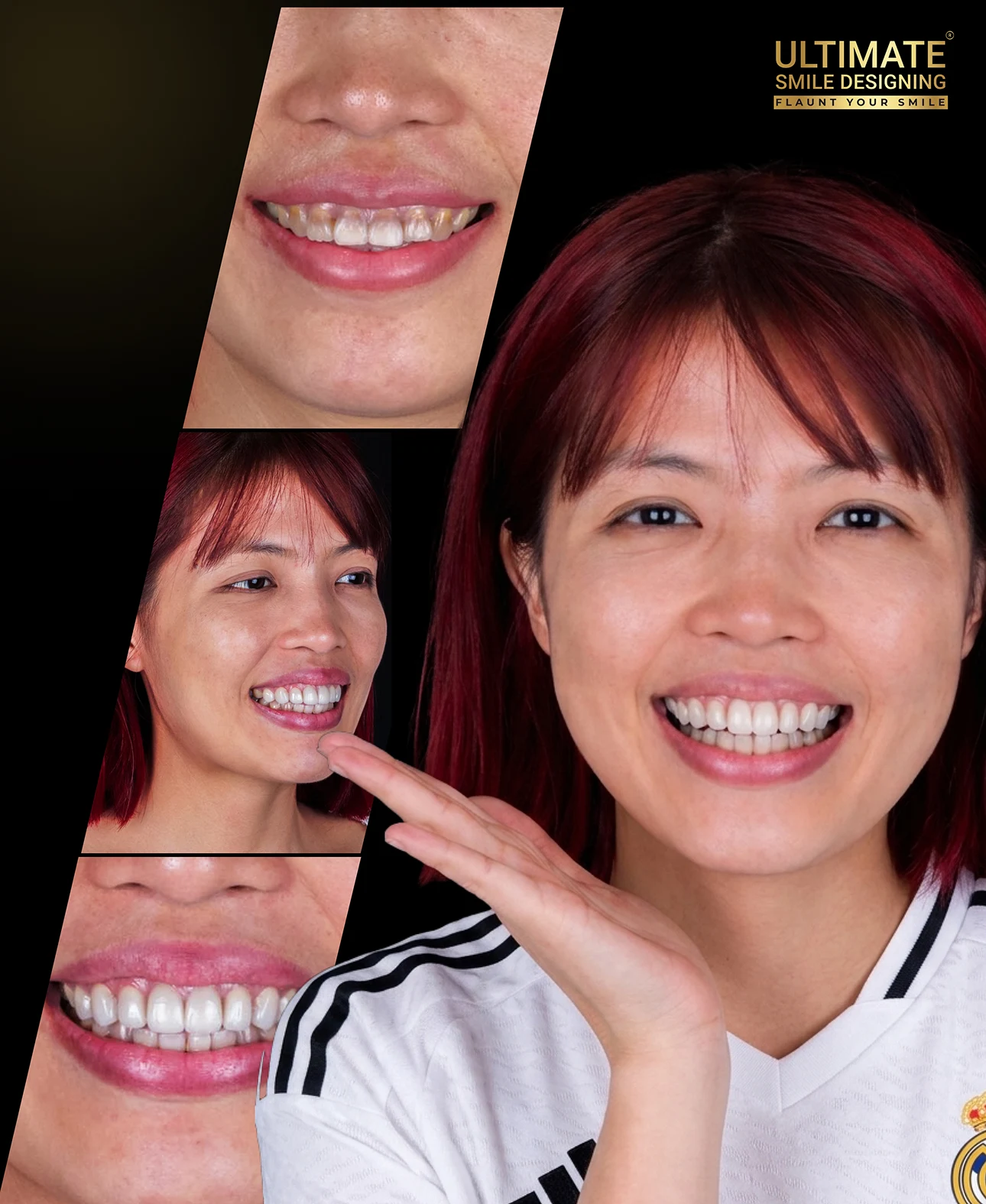
- Smile Designing Indications: Chipped teeth, gaps, crooked teeth, gummy smiles, uneven tooth proportions, and stubborn stains often require smile designing.
- Smile Analysis: Dentists evaluate tooth proportions, gum architecture, facial symmetry, and tooth structure before recommending treatment.
- Smile designing Procedures: Veneers, bonding, aligners, gum contouring, and crowns address concerns beyond tooth colour.
- Comprehensive Approach: Smile designing improves aesthetics, symmetry, function, and long-term smile harmony.
Synopsis
Many people assume that brighter teeth automatically create a better smile.
Teeth whitening can improve tooth colour. However, it cannot address concerns related to tooth shape and alignment, such as chipped teeth, gaps, uneven gum lines, worn edges, or misaligned teeth.
Smile designing analyses the relationship between the teeth, gums, lips, and facial features.
Understanding the difference between whitening and smile designing helps patients choose the right treatment. It addresses the actual cause of their aesthetic concerns instead of focusing only on tooth colour.
Teeth Whitening vs Smile Designing: What's the Difference?
Teeth whitening and smile designing serve different purposes. However, both treatments aim to improve smile aesthetics.
| Feature | Teeth Whitening | Smile Designing |
| Primary goal | Lightens tooth colour by reducing superficial stains | Improves the overall appearance, balance, and harmony of the smile |
| What it corrects | Extrinsic stains, yellowing, and mild discolouration | Tooth shape, size, colour, spacing, alignment, gum display, and smile proportions |
| Treatment scope | Single cosmetic procedure | Comprehensive treatment plan that may combine multiple procedures |
| Tooth structure | Does not alter tooth shape or position | May involve veneers, bonding, aligners, gum contouring, or restorations |
| Customisation level | Limited to shade improvement | Fully customised based on facial features, smile line, and aesthetic goals |
| Suitable for | Patients whose primary concern is tooth colour | Patients with multiple aesthetic concerns beyond tooth colour |
| Smile symmetry | Does not correct asymmetry or uneven tooth proportions | Addresses smile symmetry, tooth proportions, and facial balance |
| Results | Brighter teeth | A more balanced, natural-looking smile with improved aesthetics |
Signs You Need Smile Designing and Not Just Teeth Whitening

If whitening has not delivered the result you expected, colour may not be the primary issue. Many aesthetic concerns require structural or cosmetic treatment. Teeth whitening alone may not solve these issues.
Chipped, Cracked, or Worn Teeth
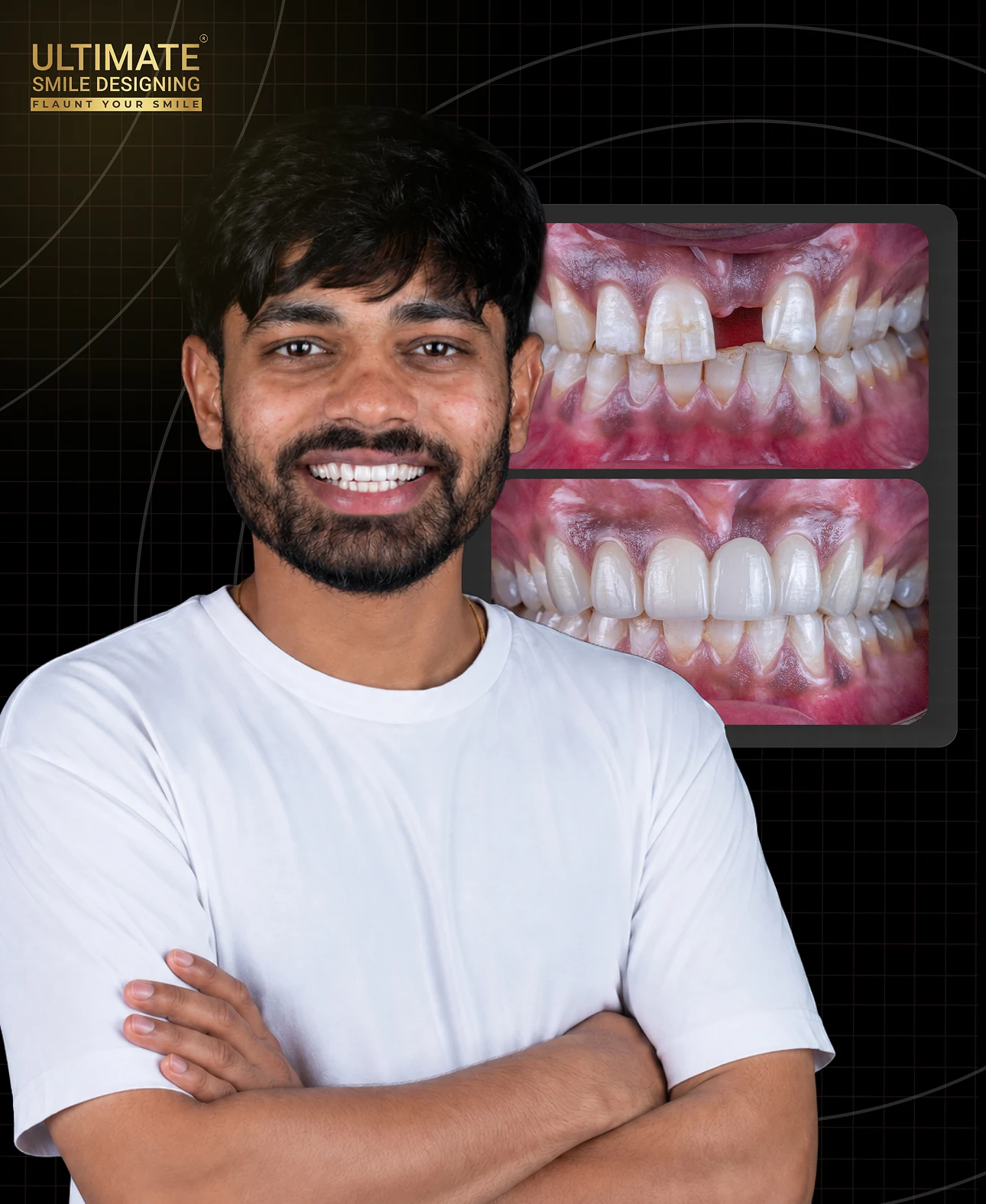
Whitening can make teeth appear brighter. However, it cannot restore lost enamel or repair damaged tooth structure.
Find Ultimate Smile Designers
- Chipped edges affect tooth proportions and smile symmetry
- Worn incisal edges can make teeth appear shorter and older
- Common in patients with bruxism or long-term functional wear
- Structural defects often remain visible even after whitening
Treatment options:
- Composite bonding
- Porcelain veneers
- Dental crowns when additional support is required
Gaps Between Teeth
Spacing concerns remain visible regardless of tooth shade.
- Gaps may disrupt smile balance and tooth proportions
- Whitening does not alter tooth position or spacing
- Larger diastemas often require restorative or orthodontic correction
- Smile design planning helps determine the most appropriate method for closing gaps
Treatment options:
-
- Porcelain veneers
- Composite bonding
Crooked or Misaligned Teeth
Bleaching procedures cannot correct alignment problems.
- Crowding and tooth rotations can affect smile aesthetics, even when the teeth appear white.
- Misalignment can make cleaning more difficult. It may also increase plaque accumulation in certain areas.
- Tooth position influences smile symmetry and facial balance
- Some cases require orthodontic correction before cosmetic treatment
Treatment options:
- Clear aligners
- Orthodontic treatment
- Veneers in selected cases
Uneven Tooth Shape or Size
Tooth proportions play an important role in smile aesthetics.
- Peg laterals and undersized teeth can create a visual imbalance
- Short teeth may affect smile width and tooth display
- Whitening cannot change tooth dimensions or shape
- Correct tooth proportions often improve smile harmony. In many cases, they have a greater impact than tooth colour alone.
Treatment options:
- Veneers
- Bonding
- Crown lengthening, if indicated
Uneven Gum Line or Gummy Smile
The appearance of the gums can influence smile aesthetics just as much as the teeth.
- Excessive gum display can make teeth appear short
- Uneven gingival levels create asymmetry within the smile
- The shape and position of the gums affect tooth proportions and overall smile balance
- Whitening does not alter soft tissue contours
Treatment options:
- Gum contouring
- Crown lengthening
- Combined smile design procedures
Deep Intrinsic Stains That Do Not Respond to Whitening
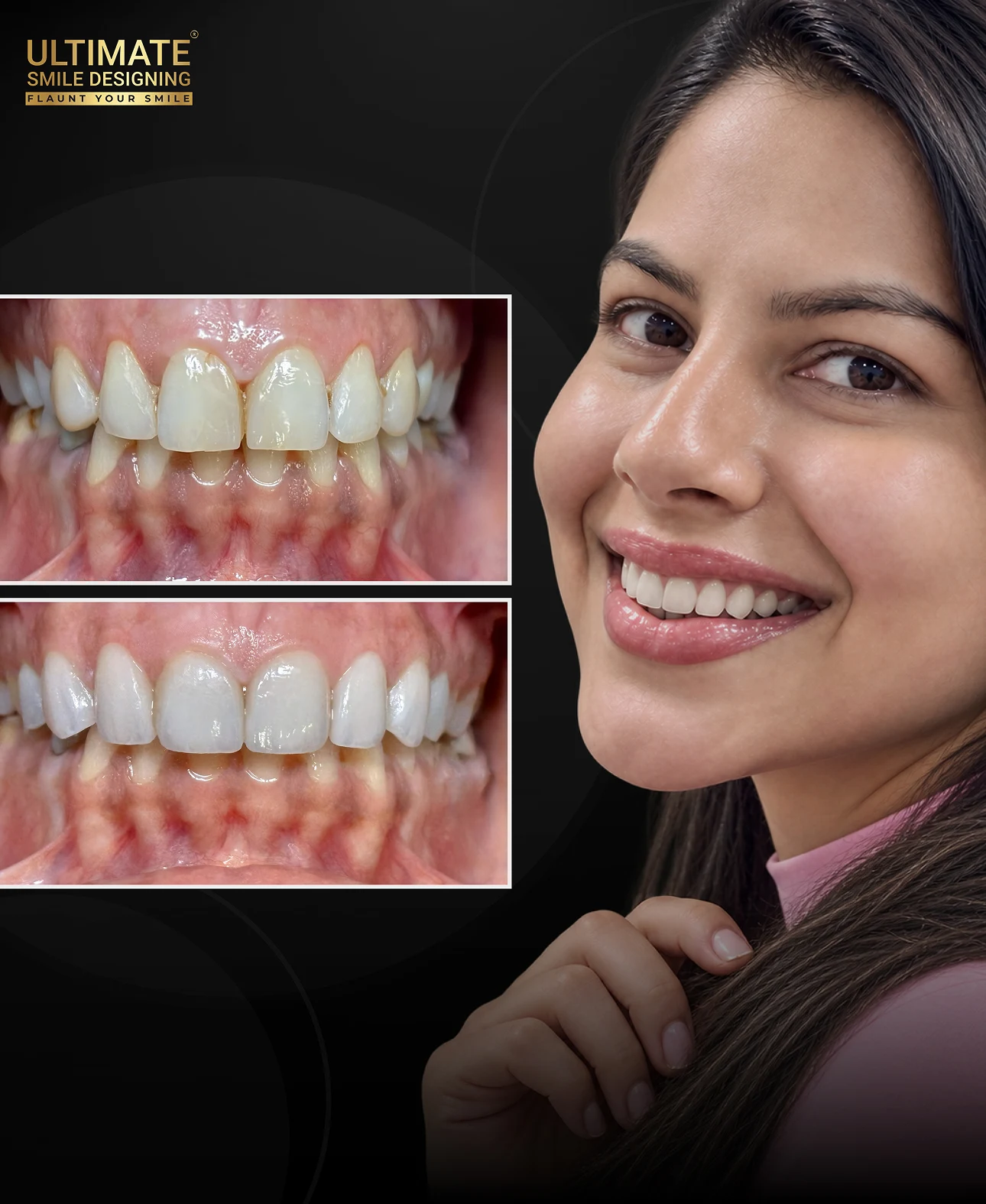
Bleaching agents cannot remove tetracycline staining. They are also ineffective against discolouration caused by internal resorption.
- Results are frequently inconsistent when intrinsic stains are severe
- Tetracycline staining extends deep within the tooth structure
- Severe fluorosis does not respond well to whitening
- Trauma-related stains may remain visible even after multiple whitening sessions.
Treatment options:
- Porcelain veneers
- Crowns in severe cases
Multiple Cosmetic Concerns
Many patients have more than one aesthetic issue affecting their smile.
- Discolouration may occur together with spacing issues, tooth wear, or smile asymmetry.
- Treating colour alone often leaves other concerns unresolved
- Multiple issues usually require a combination approach
- Comprehensive treatment planning helps create a more balanced and natural-looking result.
Treatment options:
- Full smile design approach
- Combination treatment planning
Teeth Whitening vs Smile Designing: What’s Right For You?

A cosmetic consultation helps determine whether the concern is limited to tooth colour or involves other aesthetic or structural factors.
Based on this assessment, dentists can determine whether teeth whitening or smile designing is the most appropriate treatment.
Smile Analysis
Dentists assess how the teeth interact with the lips, gums, and facial features.
- Evaluate tooth proportions and smile symmetry
- Assess smile line and facial balance
- Analyse tooth display when smiling and at rest
Assessment of Tooth Structure
The condition of the teeth plays a key role in treatment selection.
- Identify fractures, wear patterns, and enamel loss
- Evaluate existing restorations
- Determine whether concerns are colour-related or structural
Evaluation of Gum Health and Gingival Architecture
Healthy and symmetrical gums are essential for an attractive smile.
- Assess gingival symmetry and contour
- Evaluate periodontal health before cosmetic treatment
- Determine the contribution of soft tissues to smile aesthetics
Digital Smile Design and Mock-Ups
Modern smile planning tools improve communication and increase treatment accuracy.
- Help patients understand potential treatment outcomes
- Support treatment planning and improve case acceptance
- Improve communication between patients and dentists
Common Treatments Used in Smile Designing
Different smile concerns require different treatment approaches. Depending on the diagnosis, smile designing may involve one or more of the following treatments:
- Porcelain veneers: Improve tooth colour, shape, proportions, and minor alignment irregularities
- Composite bonding: Correct small chips, gaps, and contour imperfections with minimal tooth alteration
- Clear aligners: Address spacing, crowding, and mild to moderate alignment concerns
- Gum contouring: Reshape uneven gum lines and reduce excessive gum display
- Dental crowns: Restore aesthetics and strength in heavily damaged or structurally compromised teeth
Benefits of Smile Designing Over Teeth Whitening
Smile designing addresses all factors that affect the appearance of a smile. It does more than simply improve tooth colour.
- Addresses tooth shape, size, spacing, alignment, and gum aesthetics, not just tooth colour
- Provides personalised treatment based on facial features, the smile line, and dental proportions
- Corrects chipped, worn, uneven, or structurally compromised teeth
- Improves smile symmetry and overall facial harmony
- Offers solutions for intrinsic stains that may not respond to whitening treatments
- Can combine veneers, bonding, aligners, gum contouring, and whitening for comprehensive results
- Delivers longer-lasting aesthetic improvements compared to whitening alone
- Enhances both smile appearance and functional aspects, such as tooth support and bite correction
Take Home Message
Teeth whitening is an effective option when tooth discolouration is the primary concern. However, many smile-related issues involve factors that whitening cannot address, including tooth shape, spacing, alignment, gum symmetry, and structural defects.
Smile designing evaluates the entire smile rather than focusing only on tooth colour.
A professional assessment helps identify the underlying cause of aesthetic concerns. It also guides treatment towards the most appropriate solution for a natural, balanced, and confident smile.
FAQs
Teeth whitening focuses on removing stains and lightening tooth colour without changing the shape, size, or alignment of your teeth. Smile designing is a more comprehensive cosmetic dental approach that improves tooth colour, shape, spacing, alignment, gum symmetry, and overall smile balance through personalised treatment planning.
Smile designing is a better option when you have multiple cosmetic concerns, such as chipped, uneven, misaligned, or discoloured teeth. However, if your teeth are healthy, properly aligned, and you only want a brighter shade, professional teeth whitening may be sufficient.
Yes, you can choose smile designing even if your teeth are naturally white. Smile designing addresses concerns beyond tooth colour, including uneven tooth shapes, gaps, crooked teeth, worn edges, gummy smiles, and smile asymmetry. It helps create a more balanced, natural-looking smile that complements your facial features.
Yes, smile designing can address yellow or discoloured teeth while improving their shape, size, and proportions. Depending on your dental condition, your dentist may recommend teeth whitening, porcelain veneers, composite bonding, or a combination of treatments to achieve a brighter, more balanced smile.
Yes, smile designing can help people with naturally uneven, irregularly shaped, or differently sized teeth. Treatments such as veneers, composite bonding, clear aligners, or orthodontic correction can improve tooth proportions and alignment, depending on your dental condition and treatment goals.
You may need smile designing if you have chipped, cracked, worn, crooked, or unevenly shaped teeth, noticeable gaps, stubborn tooth discolouration, a gummy smile, or an uneven gum line. If your smile looks unbalanced or you feel uncomfortable smiling in photos, smile designing may help improve its appearance. A professional smile assessment can determine the most suitable treatment for your needs.
Smile designing offers several benefits beyond brighter teeth, including improved tooth shape, size, spacing, alignment, and smile symmetry. It provides personalised treatment based on your facial features and dental proportions, helps correct chipped or worn teeth, addresses stubborn discolouration, and creates a more balanced, natural-looking smile. Depending on the treatments involved, it may also improve certain functional concerns.

With over 20 years of unparalleled experience at the forefront of digital dental technology, I’m passionate about elevating dental care through state-of-the-art dental technologies. I remain dedicated to empowering dentists and practitioners by providing cutting-edge custom dental solutions that combine artistry, efficiency, and predictability, continuously exploring AI-driven design to shape the future of restorative dentistry.
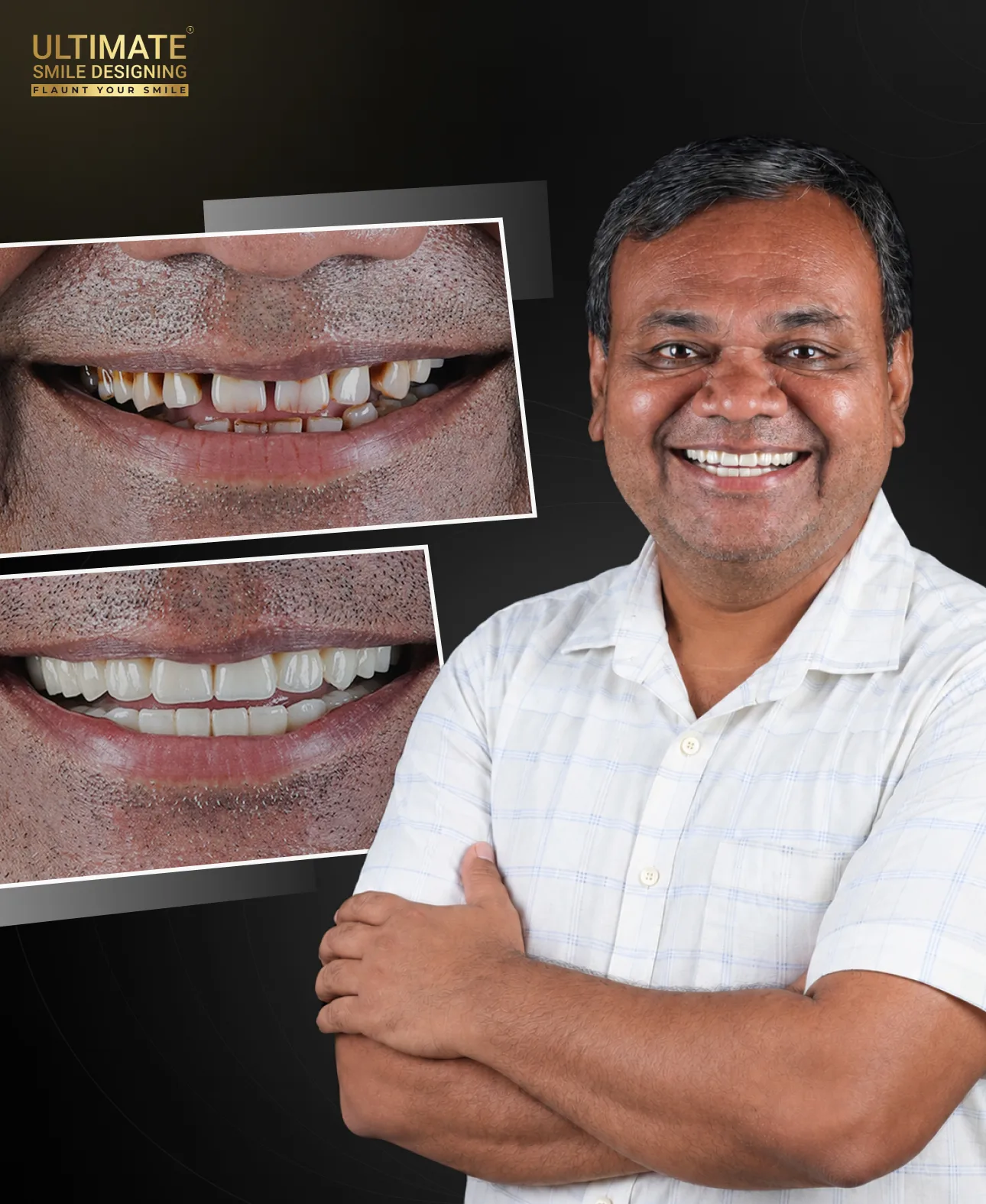
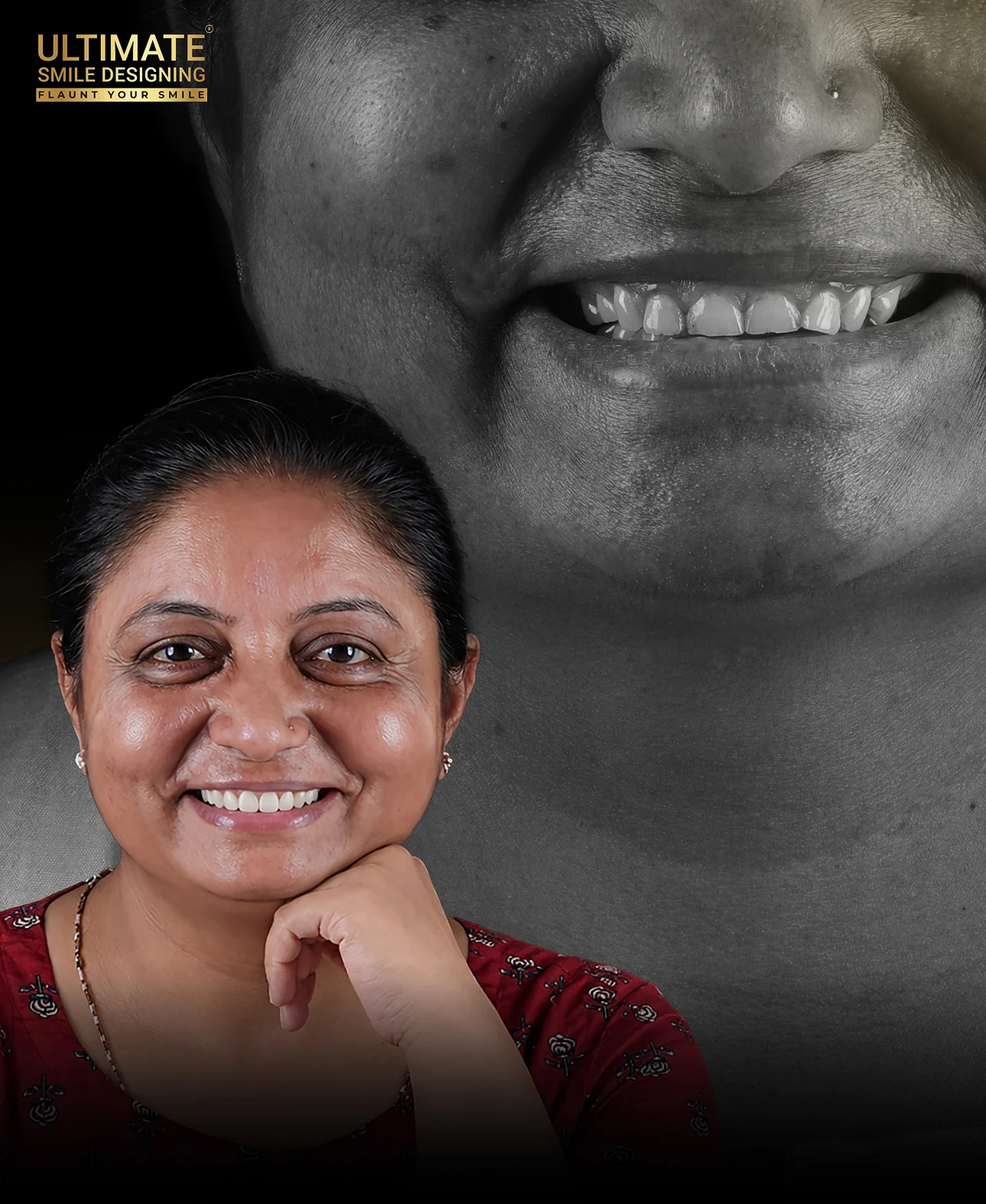
Smile Design Before & After