

Digital Smile Design: Complete Guide, Benefits, Process & Pricing
Digital Smile Design (DSD) is becoming increasingly important in modern cosmetic dentistry because patients want to understand their treatment before making a decision. Digital planning can also improve communication between the patient, dentist, and dental laboratory.
Unlike traditional smile planning, DSD considers your teeth, gums, facial features, and smile movements together. This helps create a more personalised treatment plan based on both dental and facial characteristics.
This guide explains Digital Smile Design from a patient's perspective. You will learn how the DSD process works, what benefits it can offer, how much it will cost, and what you can expect during treatment planning.
What is digital smile design?
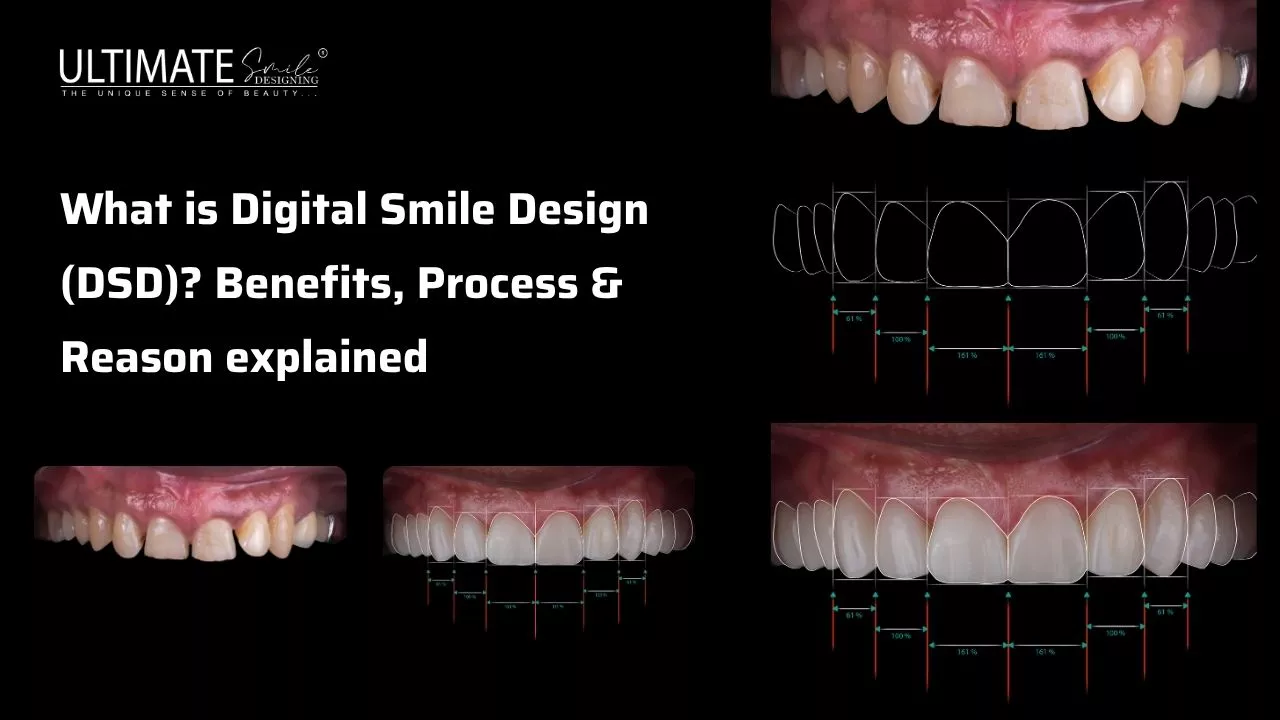
Digital Smile Design (DSD) is a digital method used to plan smile design treatment before it begins. It combines photographs, videos, digital scans, and specialised software to study your smile and design a potential treatment outcome.
Digital Smile Design is primarily a treatment planning process , not a dental treatment itself. DSD does not replace procedures such as veneers, crowns, orthodontic treatment, or teeth whitening.
Instead, DSD helps determine which treatment options may be appropriate for your smile. The actual treatment depends on your dental health, smile goals, clinical examination, and the recommendations of your dentist.
For a dental patient who is going to have a smile design or cosmetic dental treatment, DSD provides a clearer way to understand how planned changes may affect the appearance of the smile. Instead of discussing changes only through words, the dentist can create a visual treatment plan based on your facial features, teeth, gums, and smile.
How Does Digital Smile Design Help Plan Your Future Smile?
Digital Smile Design helps create a visual plan for possible changes to your smile. Your dentist can assess factors such as tooth shape, tooth proportions, gum display, midline, and how your teeth appear during different facial expressions .
With the world advancing in digital ways, dentists use digital planning for smile design to make cosmetic & smile design treatment more structured and predictable. It helps them evaluate the relationship between your teeth, gums, lips, and facial proportions before selecting a treatment approach.
Digital planning can also improve communication between you, your dentist, and the dental laboratory. Everyone can work from the same treatment objectives instead of relying only on verbal descriptions.
In simple terms, DSD helps answer an important question before treatment: “What changes should we plan for your smile, and how can those changes fit your face and dental needs?”
What is the Digital Smile Design Process?
The Digital Smile Design process uses digital records, smile, and facial analysis to plan cosmetic dental treatment before the actual procedure begins. The exact workflow can vary between dentists, but most DSD cases follow several key stages from consultation to treatment.
- Consultation: Discuss your smile concerns, goals, and treatment expectations.
- Smile Assessment: Your dentist evaluates your teeth, gums, lips, and facial features.
- Digital Records: Photographs, videos, and 3D dental scans are collected.
- Digital Smile Design: Your records are analysed to create a proposed smile design.
- Smile Preview: You can view the proposed changes through a digital simulation.
- Design Discussion: You discuss your preferences and possible adjustments with your dentist.
- Mock-Up: A physical mock-up may be used to preview the proposed smile in your mouth.
- Treatment Planning: The final design and appropriate treatment are confirmed.
- Dental Treatment: The planned procedures, such as veneers or crowns , begin.
- Final Result: Your treatment is completed, and the restorations are checked for appearance and function.
How Long Does the Digital Smile Design Process Take?
The time required for Digital Smile Design and a resulting smile makeover can vary depending on the complexity of the case, the digital records needed, and the treatments being planned. Your dentist can provide a more specific timeline after evaluating your smile and treatment needs.
Overall, Digital Smile Design connects consultation, digital analysis, visual planning, patient feedback, and clinical treatment into one structured process. Its purpose is to help you understand the proposed changes and help your dental team plan treatment more systematically.
What are the Benefits of Digital Smile Design?
Digital Smile Design can make cosmetic dental treatment easier to understand, discuss, and plan. It gives you a clearer view of the proposed smile while helping your dentist coordinate the treatment around your dental and facial characteristics.
Here are some important benefits of Digital smile design:
- See your proposed smile: You can visualise how planned changes may affect your smile before treatment begins.
- Understand your treatment: Digital planning helps you understand what your dentist proposes and why.
- Take part in smile planning: You can share your preferences and provide feedback on the proposed design.
- Communicate your expectations: A visual design makes it easier to explain the smile you want to your dentist.
- Review changes beforehand: You can discuss possible adjustments before definitive treatment starts.
- Create facially balanced results: The design considers your teeth, gums, lips, and facial features together.
- Improve treatment coordination: Digital records can help your dentist and dental laboratory work from the same treatment plan.
- Plan complex cases more effectively: DSD can help coordinate multiple cosmetic treatments as part of one smile plan.
- Make a more informed decision: Seeing the proposed treatment can help you understand your options before proceeding.
Who is a Good Candidate for Digital Smile Design?
Digital Smile Design is most useful for people considering cosmetic dental treatment and wanting to understand or visualize the proposed changes before treatment. It can be particularly helpful when several teeth or aesthetic features need to be planned together.
Who May Benefit From DSD?
DSD may be suitable for people who:
- Are considering dental veneers or a smile makeover .
- Are unhappy with the shape or size of their teeth.
- Have chipped, worn, uneven, or discoloured teeth.
- Have gaps between their teeth.
- Are concerned about a gummy smile.
- Want a more balanced or natural-looking smile.
- Want greater involvement in planning their cosmetic treatment.
DSD can help visualise possible changes and improve communication between you and your dental team.
Is DSD Suitable for Everyone?
No. DSD is a planning method, not a treatment that every patient needs.
Your dentist should first assess your teeth, gums, bite, and overall oral health. Existing dental problems may need treatment before cosmetic planning begins.
When May You Not Need Digital Smile Design?
Find Ultimate Smile Designers
You may not need DSD for simple treatments that require little cosmetic planning. It may also provide limited value when your main concern requires treatment for dental health rather than smile aesthetics.
Your dentist can determine whether DSD would meaningfully improve the planning of your particular treatment.
Digital smile design vs traditional smile design
In comparison, traditional smile design methods can still work, especially in simpler cases, but digital smile design usually offers a stronger front-end planning experience because patients can see and discuss the proposed result earlier.
Most dentists frame digital smile design as more predictable and more collaborative, while also noting higher setup costs and technology dependency.
Digital smile design and traditional smile design comparison table
|
Aspect |
Traditional smile design |
Digital smile design |
|
Preview |
Usually relies on explanation, analogue models, or wax-ups |
Uses digital mock-ups and visual previews before treatment |
|
Patient involvement |
More limited |
Higher, because patients can react to the design earlier |
|
Planning data |
More analogue and manual |
Combines photos, video, scans, and digital measurements |
|
Predictability |
Depends heavily on analogue interpretation |
Generally stronger for communication and treatment planning |
|
Best fit |
Simpler or more conventional cases |
Multi-step, high-aesthetic, or interdisciplinary cases |
While comparing digital smile design with conventional methods, we can say that for complex smile makeovers, digital smile planning usually gives the patient a clearer decision-making framework.
Which Treatments can be Planned with Digital Smile Design?
The most common treatment types linked to a digital smile transformation include:
- Veneers or crowns for shape, colour, proportion, and edge refinement.
- Teeth whitening : when shade improvement is part of the final design.
- Orthodontics or clear aligners: when tooth movement is needed before restorative work.
- Implants: when missing teeth need to be restored within the smile plan.
- Gum contouring: when gingival display or uneven gum levels affect aesthetics.
- Composite bonding for conservative correction of chips, spaces, or minor contour problems.
How Much Does Digital Smile Design Cost in India?
Digital Smile Design (DSD) cost in India varies widely because clinics use different technologies and include different services. Current published prices range from around ₹50,000 for basic DSD planning to ₹6,00,000 or more for premium Ultimate Smile Design workflows that include physical try-ins, while some providers quote much higher prices for comprehensive cases.
What is Included in the Cost?
The DSD fee includes these services:
- Initial consultation and smile assessment
- Digital photographs and videos
- Intraoral scanning
- Digital smile simulation
- Treatment planning
- Patient design review
- Physical mock-up or 3D-printed try-in
Always ask the clinic which services are included before comparing prices.
Does DSD Cost Extra With Veneers?
It can. Some clinics charge DSD separately from veneers, while others include digital planning within the overall treatment package.
The veneer cost itself is usually calculated separately based on the number of teeth, material, laboratory work, and treatment complexity.
What Factors Affect DSD Cost?
The price can depend on:
- Digital technology used
- Number of teeth being planned
- Case complexity
- Digital records required
- Physical mock-up requirements
- Laboratory involvement
- Dentist's experience
- Location and clinic fees
- Materials and price of veneers or crowns
- Whether DSD is bundled with treatment
DSD is a planning cost , while a smile makeover includes the actual dental treatments. Veneers, crowns, whitening, gum procedures, orthodontics, or other treatments can make the total smile makeover cost much higher than the DSD fee.
Before starting treatment, ask for a written breakdown showing the DSD cost, included services, treatment costs, and any additional charges.
Is Digital Smile Design Worth It?
Digital Smile Design can be worth the additional cost when you want detailed planning before cosmetic treatment. Its value depends on your treatment complexity, expectations, and how much you benefit from seeing and discussing the proposed result.
You are paying for digital records, smile analysis, treatment planning, visualisation, and sometimes a physical mock-up. DSD can also improve communication between you, your dentist, and the dental laboratory .
DSD can help evaluate tooth shape, proportions, colour, and overall smile balance before the veneers are fabricated.
DSD can be especially useful for a complete smile makeover because multiple treatments may need to work together. Digital planning can help coordinate the overall design before treatment begins.
When Can DSD Provide Significant Value?
DSD may provide greater value when:
- Several teeth require cosmetic treatment.
- You are considering multiple veneers.
- Your smile requires complex aesthetic planning.
- You have specific expectations about tooth shape or proportions.
- You want to compare treatment options before proceeding.
- You want a physical mock-up before definitive treatment.
How Can You Decide Whether DSD Is Right for You?
Consider the complexity of your treatment and how important visualisation is to your decision. If you are planning multiple cosmetic procedures, DSD may offer meaningful value.
If your treatment is simple, ask whether detailed digital planning will actually change the treatment approach. The goal is not to choose DSD simply because it is digital, but to use it when it provides useful planning and decision-making benefits.
How Accurate is Digital Smile Design?
The accuracy of a digital smile preview depends on the quality of the photographs, scans, measurements, software, and clinical planning. A well-collected digital record can provide a strong reference for designing your proposed smile.
However, the preview represents a planned outcome rather than the finished teeth.
Does the Digital Preview Look Exactly Like the Final Result?
Not necessarily. The final result can differ from the digital preview because digital images cannot reproduce every clinical and material factor exactly.
Your actual teeth, gums, lips, facial movements, lighting, restoration materials, and treatment execution can all affect the final appearance.
A digital design shows what is planned, but several steps occur between the design and the finished treatment. The dental laboratory must translate the design into physical restorations, and your dentist must place and adjust them clinically.
Minor differences can therefore occur in tooth shape, proportions, colour, position, or overall appearance.
What Factors Can Affect the Final Result?
Several factors can influence how closely the final smile matches the digital design:
- Quality and accuracy of digital records.
- Your natural tooth and gum conditions.
- Facial and lip movements.
- Bite and functional requirements.
- Choice and properties of dental materials.
- Laboratory fabrication.
- Clinical placement and adjustments.
- Changes made during treatment for health or function.
Your dentist's experience is important because digital software does not make clinical decisions by itself. The dentist must interpret your records, identify limitations, select appropriate treatments, and translate the design into a clinically suitable result.
A technically impressive digital preview cannot compensate for inappropriate treatment planning or poor clinical execution.
Is Digital Smile Design a Guarantee?
No. Digital Smile Design should always be considered a preview and treatment-planning tool , not a guarantee of the final result.
Before treatment, ask your dentist what the digital design represents, which changes are realistically achievable, and what factors could affect the final outcome. This helps you maintain realistic expectations while making an informed treatment decision.
Digital Smile Design Before and After: What Should You Expect?
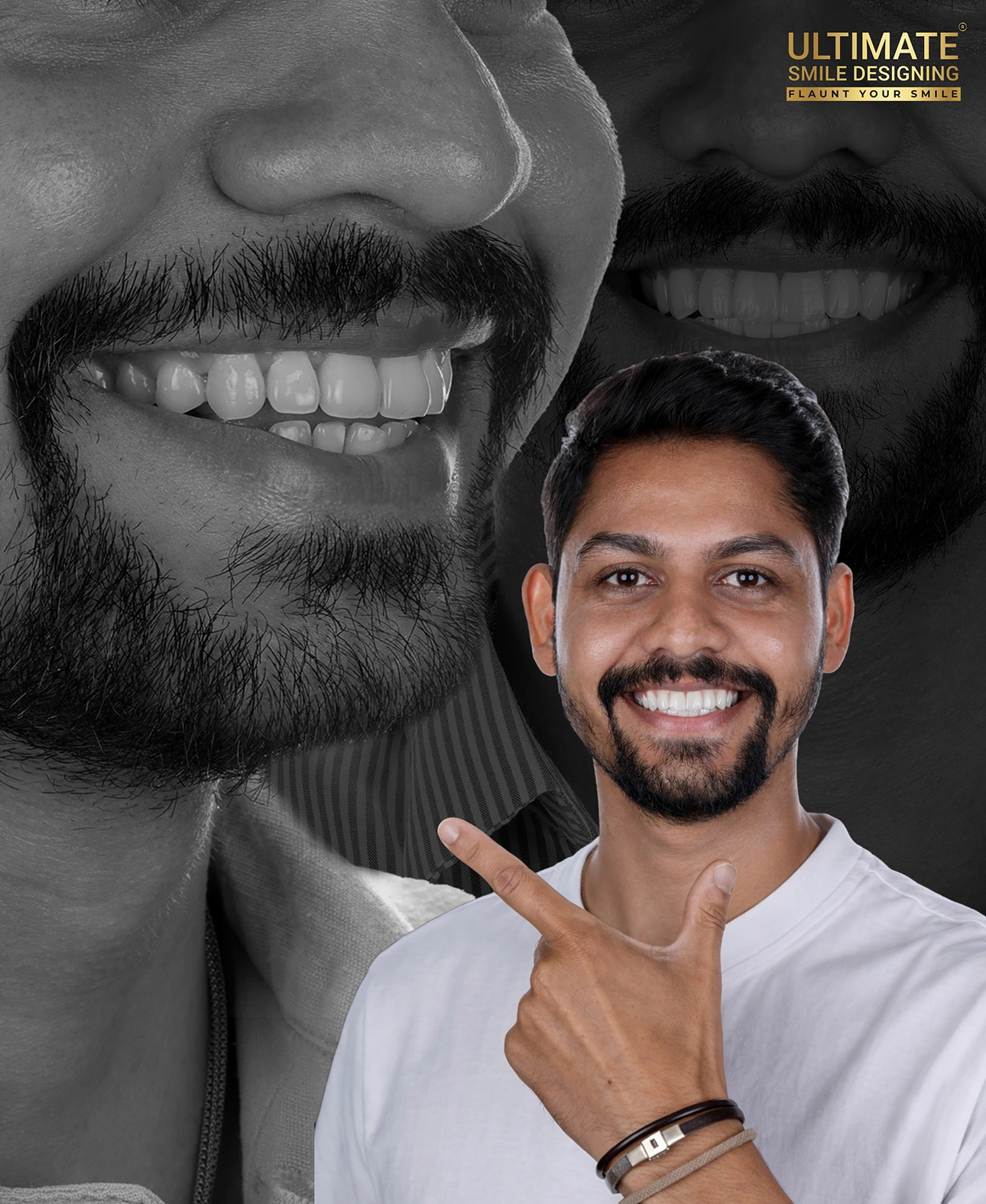
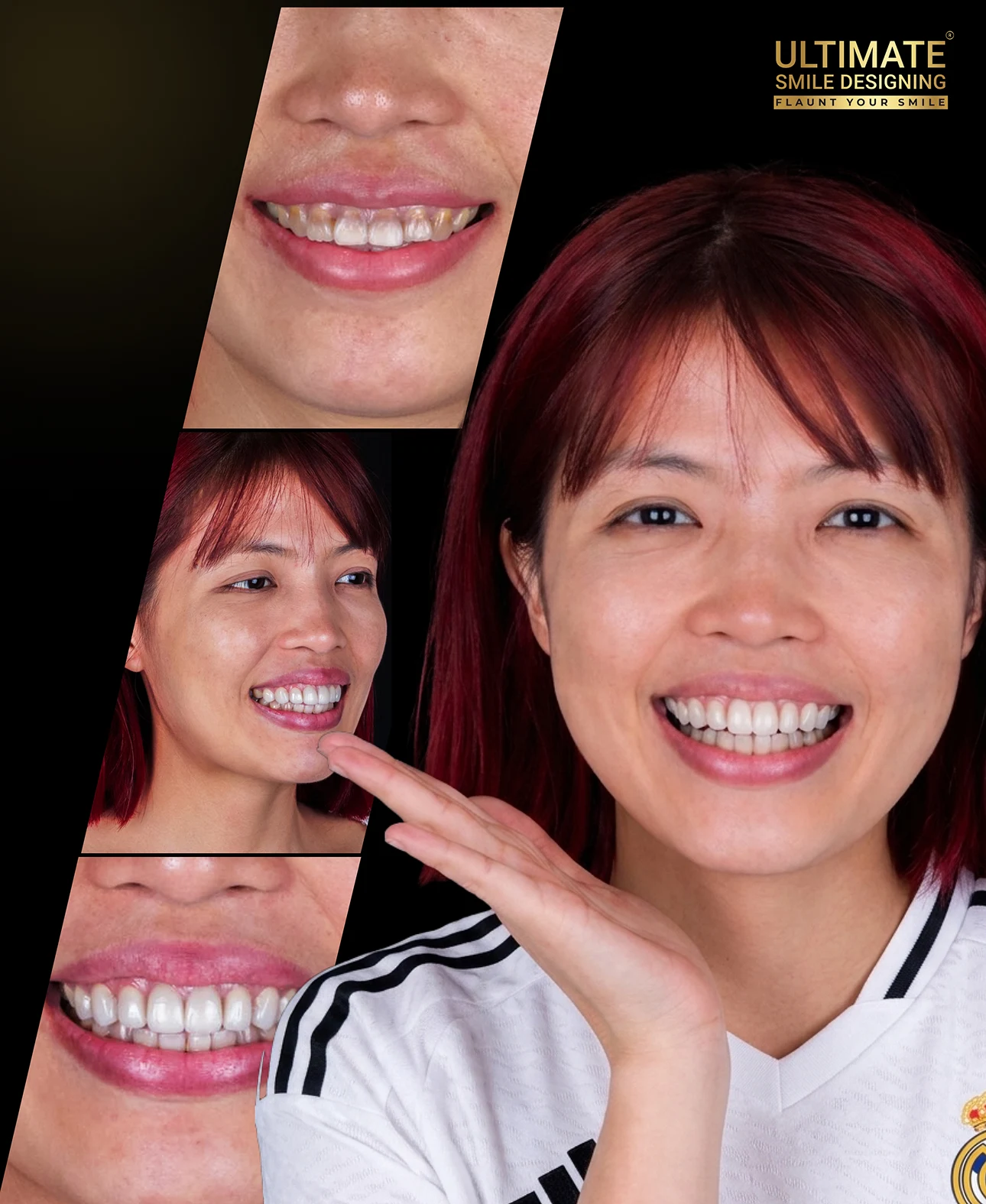
Digital Smile Design before-and-after planning shows how your smile may change through digital simulations and, when appropriate, physical mock-ups. These previews help you understand the proposed treatment, but they do not guarantee an identical final result.
What May Your Smile Look Like Before Treatment?
Before treatment, your dentist records your existing smile through photographs, videos, and digital scans. These records show your current tooth shape, color, position, gum display, and smile characteristics.
They provide the starting point for creating your personalized smile design.
What Happens After Your Smile Is Digitally Designed?
After analysis, your dentist creates a proposed digital smile based on your facial features and treatment goals. You can review the planned changes before deciding whether to proceed.
The design may then be adjusted according to your preferences and clinical requirements.
The goal of DSD is not simply to create visibly different teeth. It is to help plan a smile that is aesthetically balanced while remaining suitable for your dental and functional needs.
Which Technologies are Used in Digital Smile Design?
Digital Smile Design uses digital tools to record, analyze, visualize, and plan your smile. The technology used can vary depending on your treatment needs.
- Digital Photographs: Photographs capture your teeth, gums, lips, and facial features from different angles for smile analysis.
- Smile Videos: Videos show how your teeth and lips move while smiling and speaking. This provides information that photographs cannot capture.
- Digital Teeth Scanning: Intraoral scanners create detailed 3D models of your teeth. These models help assess tooth shape, position, and proportions.
- Facial Scanning: Facial scanning creates a digital representation of your facial features. It can help assess your teeth in relation to your face.
- Smile Simulation: Software can create a digital preview of your proposed smile. This helps you visualize possible changes before treatment.
- 3D Technology: 3D technology combines dental and facial information to support detailed treatment planning, especially for complex cases.
- Digital Mock-Ups: A digital design can be used to create a physical mock-up when appropriate. This lets you see the proposed tooth shape in your mouth.
- Computer-Aided Design: Computer-aided design (CAD) software helps create digital designs for restorations such as veneers and crowns. The design can then guide dental laboratory fabrication.
What is AI Digital Smile Design?
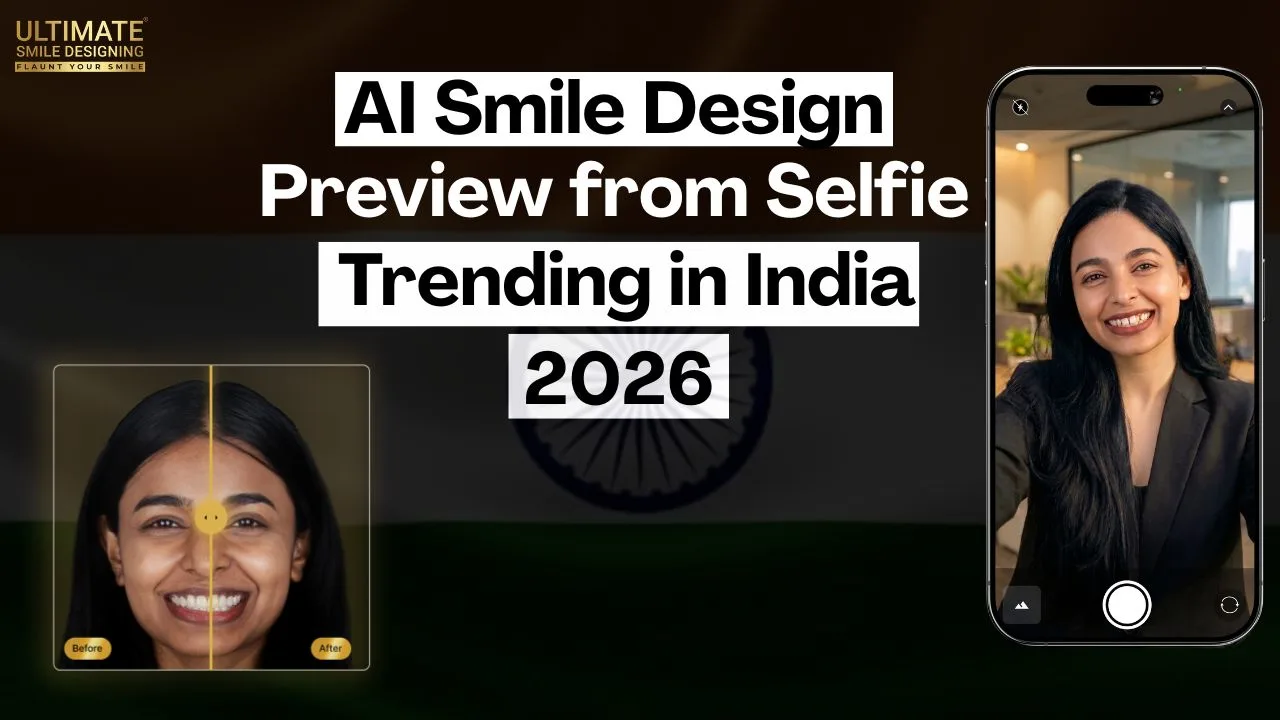
AI Digital Smile Design uses artificial intelligence (AI) with digital dental tools to analyze smiles and support treatment planning. AI can assist with smile simulations and design suggestions, but it does not replace a dentist.
AI can analyze photographs, scans, and facial information to assess features such as tooth proportions, alignment, and smile characteristics.
Can AI Create Smile Simulations?
Yes. AI can generate digital smile previews based on the available images and selected design parameters. These previews show possible outcomes rather than guaranteed results.
AI can suggest tooth shapes, sizes, and proportions based on digital data. A dentist must review these suggestions because every patient's anatomy and treatment needs are different.
AI Preview vs Dentist-Designed Smile
AI works from digital data and algorithms, while a dentist also considers oral health, bite, gums, tooth structure, and treatment limitations.
AI can support smile design, but it cannot independently plan or perform your complete treatment. Dentist supervision remains essential for diagnosis, treatment decisions, and clinical execution. Know more about AI smile design features and choose if it is beneficial for you.
AI is therefore a supporting tool in Digital Smile Design, not a replacement for professional dental care.
What Are the Disadvantages of Digital Smile Design?
Digital Smile Design can improve cosmetic treatment planning, but it has limitations. Understanding these limitations helps you decide whether DSD provides real value for your particular case.
- Additional Cost in Some Clinics: Some clinics charge separately for digital smile planning and related records. The cost depends on the technology, complexity of the case, and services included.
- Not Every Patient Needs DSD: DSD is more useful for complex or highly aesthetic cases. Simple treatments may not require detailed digital smile planning.
- A Digital Preview Cannot Show Every Clinical Factor: A digital simulation mainly shows planned aesthetics. It cannot fully represent factors such as tooth strength, gum health, bite, sensitivity, or long-term maintenance.
- The Final Result May Differ From the Simulation: The final smile may not look exactly like the digital preview. Materials, facial movement, laboratory fabrication, clinical adjustments, and individual anatomy can affect the outcome.
- Technology Does Not Replace a Dental Examination: DSD cannot replace a complete examination of your teeth, gums, bite, and oral health. Clinical findings must guide the final treatment decision.
- Results Still Depend on the Treatment and Dentist: Digital planning provides a framework, but the final result depends on the selected treatment, materials, laboratory work, and the dentist's clinical skills.
Knowing what DSD can and cannot do helps you set realistic expectations. Before proceeding, ask what the digital preview represents, what it costs, and how closely the planned design can realistically be achieved.
How to Choose the Right Digital Smile Design Dentist
Choosing the right dentist matters because digital technology alone does not determine the quality of your smile treatment. Look for a dentist with relevant cosmetic dentistry experience, a clear planning process, and realistic communication about results.
- Look for Experience in Cosmetic Dentistry: Choose a dentist who regularly performs cosmetic dental treatments such as veneers, crowns, and smile makeovers. Cosmetic treatment requires an understanding of aesthetics as well as dental function and oral health.
- Check the Dentist's Experience With DSD: Ask how often the dentist uses Digital Smile Design and what types of cases they plan digitally. Experience with cases similar to yours can be more useful than simply having access to DSD technology.
- Review Real Patient Cases: Look at genuine before-and-after cases from the dentist or clinic. Focus on cases involving treatments similar to what you are considering.
- Examine the Before-and-After Results Carefully : Do not judge results only by how white or straight the teeth look. Look at tooth proportions, gum appearance, smile balance, and whether the result looks natural.
- Ask to See Similar Cases: If you have chipped teeth, gaps, worn teeth, or a gummy smile, ask for examples involving similar concerns. This gives you a more realistic reference for what may be achievable.
- Ask What Happens If the Final Result Differs From the Preview: A digital preview is not a guarantee of the exact final result. Ask your dentist what factors could cause differences and how adjustments are handled if the outcome does not match the approved plan.
Questions to Ask During Your DSD Consultation
Before proceeding, consider asking:
- Is Digital Smile Design suitable for my case?
- What treatment do you recommend, and why?
- What technology will you use?
- Can I see my proposed smile before treatment?
- Can I try a physical mock-up?
- Who will design and fabricate my restorations?
- What alternatives do I have?
- What is the complete treatment cost?
- What limitations should I expect?
- How closely can the final result follow the approved design?
A good DSD consultation should leave you with a clear understanding of the proposed treatment, expected outcome, limitations, alternatives, and total cost.
Conclusion
Digital Smile Design provides a structured way to plan cosmetic dental treatment before it begins. It can help you visualize your proposed smile, communicate your preferences, compare options, and understand the planned treatment more clearly.
DSD can be particularly useful for veneers, smile makeovers, and other treatments involving multiple aesthetic changes. However, a digital preview is a planning tool, not a guarantee of the exact final result.
Before deciding, discuss your smile goals, expectations, treatment options, limitations, and complete costs with our certified USD dentist . A detailed consultation can help you understand whether Digital Smile Design is appropriate for your smile and make a more informed treatment decision.
FAQs
Digital smile design is a digital planning workflow that uses facial photos, video, oral scans, and smile simulation to preview and plan a personalised smile before treatment starts. It is used to improve communication, planning, and patient involvement.
No, digital smile design is a planning method, not a treatment by itself. The digital plan may later guide veneers, crowns, whitening, aligners, implants, gum contouring, or bonding, depending on the diagnosis.
It is especially useful for people considering a smile makeover, multiple cosmetic corrections, missing-tooth replacement, or any case where they want to preview the result before deciding. Underlying oral-health issues still need to be assessed first.
Yes. One of the biggest strengths of digital smile design is that it can bring multiple treatment types into one visual plan, which is especially useful in combined restorative, orthodontic, and implant cases.
The digital planning stage itself is non-invasive. Safety depends mainly on the quality of diagnosis, consent, and the treatments that follow, not on the digital preview alone.
No. It improves predictability, but clinicians still need to match expectations with clinical reality, biological limits, material behaviour, and long-term function.
Traditional planning relies more on analog models, manual interpretation, and verbal explanation. While digital smile design adds digital mock-ups, richer records, and earlier patient feedback, which usually makes communication and interdisciplinary planning easier.
On average, the digital smile design price can vary from ₹50,000 to ₹6,00,000 or more. There is no single standard price of digital smile design because the total depends on complexity, the number of teeth involved, which procedures are included, material choice, lab work, and the dentist's expertise.
Dentists may use proprietary DSD platforms as well as other CAD/CAM, facial-analysis, and intraoral-scanning tools. The software landscape is evolving quickly, including AI-assisted systems, but the most important factor for patients is still the dentist’s planning workflow and judgment.
Look for a clinician who evaluates oral health and bite first, explains limitations clearly, shows relevant case examples, and can translate the digital design into a realistic treatment and aftercare plan. Do not choose based on software branding alone.

With over 20 years of unparalleled experience at the forefront of digital dental technology, I’m passionate about elevating dental care through state-of-the-art dental technologies. I remain dedicated to empowering dentists and practitioners by providing cutting-edge custom dental solutions that combine artistry, efficiency, and predictability, continuously exploring AI-driven design to shape the future of restorative dentistry.
Smile Design Before & After