Digital Smile Design Ultimate Guide: Benefits & Procedure
Key Takeaways:
- What is Digital Smile Design: A modern planning technique using digital photos, videos, and 3D software to design a new smile.
- Core Benefit: Allows you to see your final result (a virtual mock-up) before any treatment begins.
- Key Advantage: Provides extreme precision and predictability by basing the smile design on detailed facial and dental measurements.
- Process: Highly collaborative—you actively approve the design plan with your dentist.
- Function: DSD is a planning tool, not a treatment itself. It guides procedures like veneers, implants, and orthodontics.
- Outcome: Ensures the result is fully customized and natural-looking, perfectly fitting your facial features.
A beautiful smile is more than just teeth; it’s confidence, warmth, and a boost in everyday life. But what if you could see exactly how your new smile will look before the treatment even begins? Digital Smile Design (DSD) offers just that.
In simple terms, DSD lets you and your dentist digitally craft and preview your future smile, ensuring the results match your expectations perfectly. This ultimate guide breaks down what Digital Smile Design is, how it works step by step, its benefits, cost factors in India, and more – all in a friendly, easy-to-understand way.
What is Digital Smile Design (DSD)?
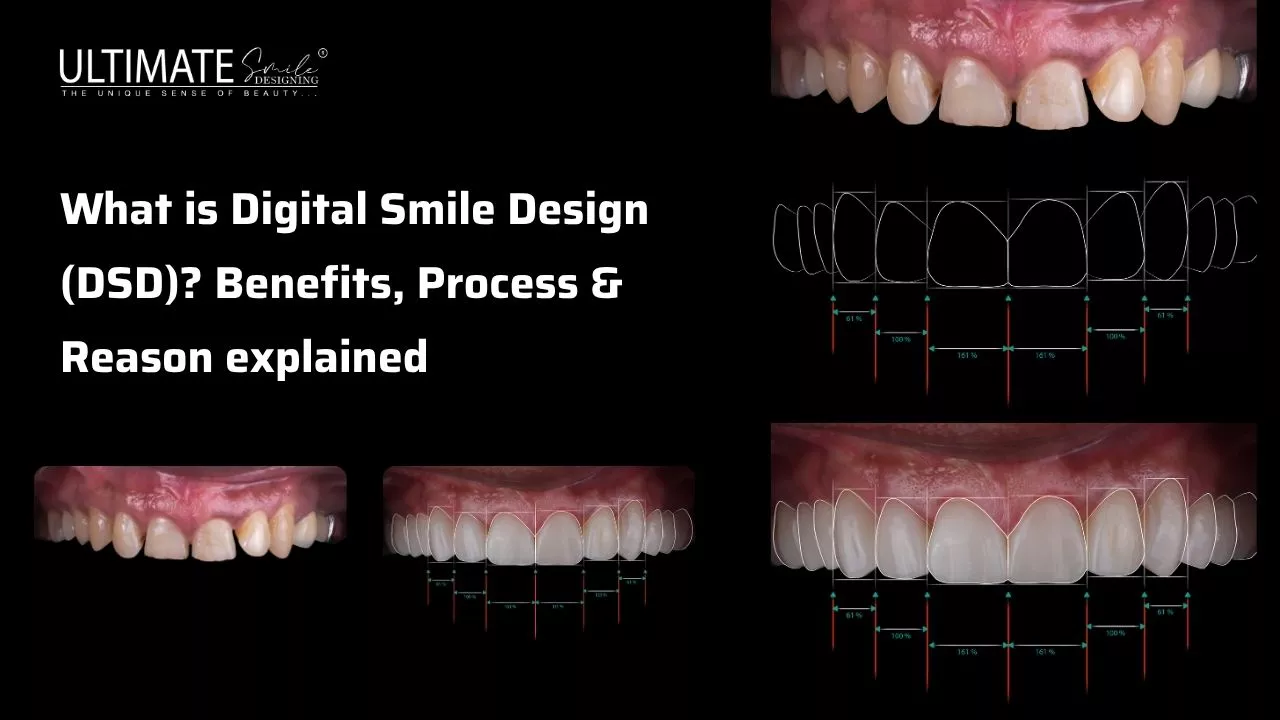
Digital Smile Design is a modern dental planning technique that combines photography, software, and artistic vision to plan your smile makeover with extreme precision. Instead of relying only on a dentist’s imagination or traditional wax models, DSD uses digital tools to create a virtual mock-up of your teeth and smile.
By taking detailed images and scans of your face and teeth, the dentist can design your ideal smile on a computer screen – adjusting the shape, size, and alignment of teeth until it looks just right.
This digital plan isn’t just for the dentist’s benefit – it’s highly visual and collaborative. You get to see exactly how your new smile could appear from different angles, and even give feedback. The primary goal is to enhance communication, accuracy, and predictability in cosmetic dentistry , showing how digital smile design can improve dental aesthetics.
Digital Smile Design Procedure: How It Works Step-by-Step
Digital Smile Design is a step-by-step process that involves you at every stage. Here’s how the DSD procedure typically works:
1. Initial Consultation & Data Collection
The journey starts with an in-depth consultation. Your dentist will discuss your smile goals – what you like or dislike about your smile – and perform a thorough examination of your teeth and gums.
Then comes the high-tech part: the dentist takes a series of high-resolution photographs and videos of your face from multiple angles, capturing your natural smile and facial expressions. In addition, digital 3D scans or impressions of your teeth are made to create accurate models of your mouth.
2. Digital Smile Analysis & Planning
Next, the dentist and their digital lab technician upload your photos and scans into advanced digital smile design software developed for dentists. Here, a detailed analysis is done, measuring your facial proportions, dental midline, the shape and size of each tooth, your gum line, and how your lips move when you smile, using digital smile design to enhance facial symmetry.
Using these measurements, the software helps design the ideal tooth shapes and positions that will best fit your face. This stage is highly interactive – you can communicate your preferences (for example, if you want slightly shorter front teeth or a wider smile).
The dentist will adjust the virtual design (tooth length, width, color, alignment, etc.) until a harmonious and natural-looking plan is achieved.
3. Smile Design Mock-Up (Digital Preview)
Once the digital plan is ready, the software generates a digital mock-up – a realistic image of your face with the new smile. This is where the magic happens: you get to see a preview of your future smile on a screen.
It’s like looking into a crystal ball of your post-treatment grin! You and the dentist will review this digital mock-up together. The goal is to ensure you absolutely love the design before moving forward. Patients often feel excited and more confident once they see the positive changes DSD proposes.
Find Ultimate Smile Designers
4. Treatment Planning & Approval
After you approve the virtual design, the dentist creates a personalized treatment plan to turn it into reality. DSD isn’t a one-size-fits-all treatment; it’s a planning tool. So the actual procedures needed will depend on your case.
At this stage, you’ll also likely discuss the cost and schedule. Only when you and your dentist are satisfied and give the green light does the process move forward.
5. Actual Treatment & Smile Makeover
Now it’s time to make the digital plan a reality. The dentist (or team of specialists) will perform the agreed procedures, guided closely by the DSD plan and mock-ups. After all procedures (whether it’s veneers, crowns, whitening, implants, etc.) are completed, you’ll have the big reveal of your new smile, which by now feels almost familiar, since you saw it before!
Benefits of Digital Smile Design
Why are people raving about Digital Smile Design? Here are some of the major benefits of choosing digital smile designing for your new smile:
- See Before You Commit: Perhaps the biggest benefit – you get to visualize the final result before treatment begins. No more guesswork about how veneers or braces will change your smile.
- Enhanced Precision and Predictability: DSD uses digital measurements and planning, which means everything is extremely precise. The software analyzes your facial and dental proportions in detail, reducing human error. The result? Consistent, high-quality results that meet the plan.
- Better Communication & Involvement: Ever find it hard to explain to your dentist what kind of smile you want? DSD solves that by providing a clear visual communication tool. You and your dentist literally look at the same images and mock-ups, so there’s no miscommunication.
- Personalized, Natural Results: With DSD, every smile is custom-tailored to the individual. The dentist designs your teeth to complement your unique face shape, lip line, skin tone, and even personality.
- Fewer Surprises & Adjustments: Because the planning is so detailed, the actual treatment tends to go smoothly. Dentists encounter fewer unexpected issues during procedures since they’ve mapped things out in advance. In other words, DSD can save time (and even cost) by getting things right the first time.
- Boosted Confidence and Comfort: Knowing what’s coming and seeing proof of the end goal does wonders for a patient’s confidence. Many people feel less anxious proceeding with cosmetic dental work when they’ve seen the digital preview – it removes the “fear of the unknown.”
- Multi-Disciplinary Planning: Digital Smile Design isn’t just about veneers or one procedure; it’s a comprehensive planning tool that can combine multiple treatments. Dentists can coordinate orthodontics, gum reshaping, implants, and restorations all within one cohesive plan.
Who Should Consider Digital Smile Design?
Digital Smile Design is ideal for anyone who isn’t completely happy with their smile and wants a preview-driven, customized makeover. You might consider DSD if:
- You have multiple aesthetic concerns: If you have a combination of issues like discolored, chipped, crooked, or missing teeth, and you’re considering a comprehensive smile makeover, DSD can help plan all the needed treatments together for the best result.
- You feel nervous about the outcome: Perhaps you want a better smile, but worry, “What if I don’t like how it looks?” DSD is perfect for the cautious patient. Because you’ll see the outcome beforehand, it’s great for those who need that extra reassurance.
- You desire a very specific type of smile: Some patients have a clear vision. With DSD, you can communicate your preferences and actually see them on your own face digitally.
- Anyone seeking a natural-looking result: Maybe you’ve seen bad “fake teeth” on others, and you’re worried about that. DSD’s facial analysis ensures the plan fits your unique features, so it’s a smart choice if you want your dental work to look natural and proportional to your face.
Bottom line: if you’ve ever thought, “I wish I could see how I’d look with a better smile before I do it,” then DSD is likely a great option for you.
Digital Smile Design vs. Traditional Smile Designing
How is digital smile design different from the good old traditional approach? The biggest difference is in the tools and predictability. Here’s a quick comparison:
|
Aspect |
Traditional Smile Design (Analog) |
Digital Smile Design (DSD) |
|
Visualization |
Limited – relies on wax models, 2D drawings, or the dentist’s description. |
High – provides a 3D digital preview of your future smile on your photos. |
|
Patient Involvement |
Minimal – dentist plans mostly on their own; you see the result at the end. |
Maximal – collaborative design process. You actively participate, give feedback, and co-create the smile plan with the dentist. |
|
Precision |
Good but variable – based on the dentist’s manual measurements and experience. |
Highly precise – based on digital measurements, facial analysis, and software calculations. |
|
Predictability |
Variable – outcome can differ from expectations; adjustments often needed after seeing the final work. |
Very predictable – outcome closely matches the digital design. Surprises are rare, and adjustments are minor since the plan was detailed. |
|
Time & Efficiency |
Can be longer—more trial-and-error, multiple appointments if revisions are needed. |
Often, upfront planning is more efficient and saves time. |
|
Cost |
Generally standard – no special tech involved, just the dentist’s skill and lab work. |
May be higher due to advanced technology and extra planning steps. |
What Does Digital Smile Design Include? (Treatments and Tools)
It’s important to understand that Digital Smile Design itself is a planning process, not a single treatment. DSD is often used in combination with one or more of the following treatments, depending on your needs:
- Porcelain Veneers or Crowns: Thin porcelain coverings placed on the front of teeth to change their shape, size, or color. DSD is commonly used to design veneer cases – the software helps decide the ideal tooth proportions and alignment, ensuring the veneers/crowns look natural in your smile line.
- Teeth Whitening: If tooth color is a concern, professional teeth whitening might be part of the plan to give a brighter overall smile. The digital design will assume a certain shade, and whitening is done to match that envisioned shade.
- Orthodontics (Braces or Aligners): Crooked or gapped teeth may need orthodontic movement, and custom digital smile design services for orthodontics help visualize the final tooth positions before treatment begins. With DSD, the final positions of teeth are visualized first, and then braces or clear aligners are used to achieve that alignment. This way, ortho treatment is goal-directed and often more efficient.
- Dental Implants: If you are a patient with missing teeth, implants can be planned with DSD so that the replacement tooth perfectly fits the smile design. Digital Smile Design is the best solution for patients with missing teeth. The 3D imaging helps in choosing the right size and position for implant crowns that harmonize with adjacent teeth and facial features.
- Gum Contouring (Pink Aesthetics): A smile isn’t only about teeth – the gums matter too. For a “gummy” smile or uneven gum line, DSD can include a plan for laser gum contouring to shape the gums ideally. The digital mock-up will show the proposed new gum line as well, ensuring a balanced tooth-to-gum ratio.
- Composite Bonding: Minor chips or gaps might be fixed by adding tooth-colored resin. DSD can guide where and how much bonding is needed by showing the end goal, so dentists know exactly where to add material.
- Full Smile Makeover Combination: Often, a DSD-guided smile makeover will involve a combination of the above – for example, braces to align teeth, whitening to brighten them, and then a couple of veneers on worn teeth to perfect the shape. The DSD software helps orchestrate all these moving parts into one cohesive vision.
Digital Smile Design Cost in India
One common question is: How much does a Digital Smile Design treatment cost? The cost can vary widely because it depends on what treatments you ultimately need (since DSD is a planning tool for those treatments).
In India, smile designing (the overall smile makeover) can range roughly from ₹50,000 to ₹6,00,000 or more, depending on the clinic and the scope of affordable digital smile design packages for cosmetic dentistry. This big range covers everything from a simple case (maybe one or two cosmetic fixes) to a full-mouth transformation.
As a rough idea, basic cosmetic fixes like whitening or minor bonding could be in the tens of thousands of rupees, whereas comprehensive smile makeovers involving 8-10 teeth or more can run into a few lakhs.
Pro tip: Consult a well-reviewed smile designer dentist for an initial Digital Smile Design work-up. Many reputable digital smile design clinics in India will do the smile design consultation for a modest fee.
Conclusion
Digital Smile Design (DSD) is revolutionizing smile makeovers. Using advanced imaging and 3D software, dentists can plan and predict results with precision—letting you see your new smile before treatment even begins.
With DSD, you can take control of that journey—seeing, planning, and perfecting every detail. Consult an experienced your nearest digital smile design expert, preview your future smile, and get ready to share it proudly.
Smile confidently—because the future you helped design it.
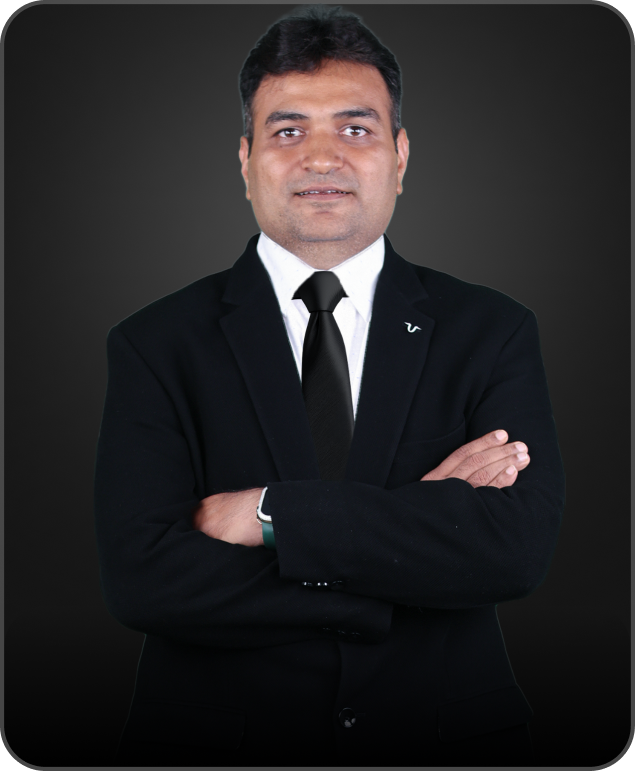

With over 20 years of unparalleled experience at the forefront of digital dental technology, I’m passionate about elevating dental care through state-of-the-art dental technologies. I remain dedicated to empowering dentists and practitioners by providing cutting-edge custom dental solutions that combine artistry, efficiency, and predictability, continuously exploring AI-driven design to shape the future of restorative dentistry.
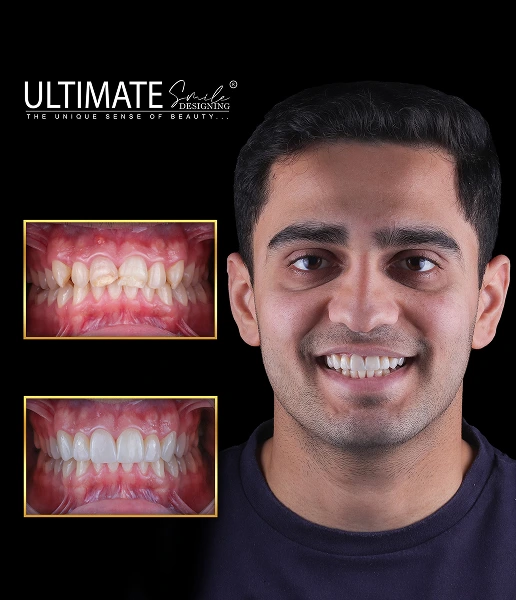
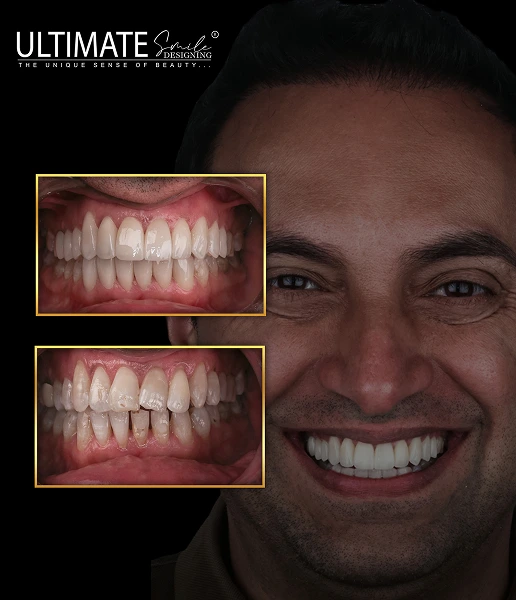
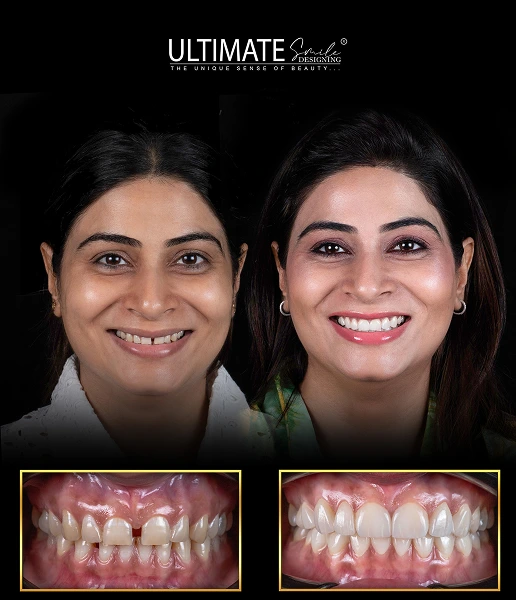
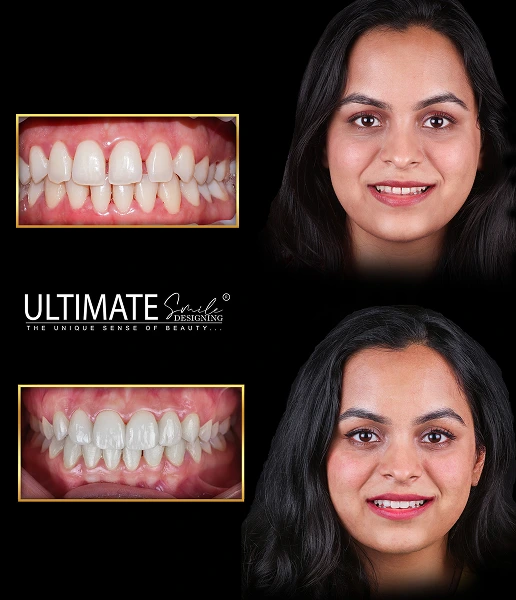
Smile Design Before & After