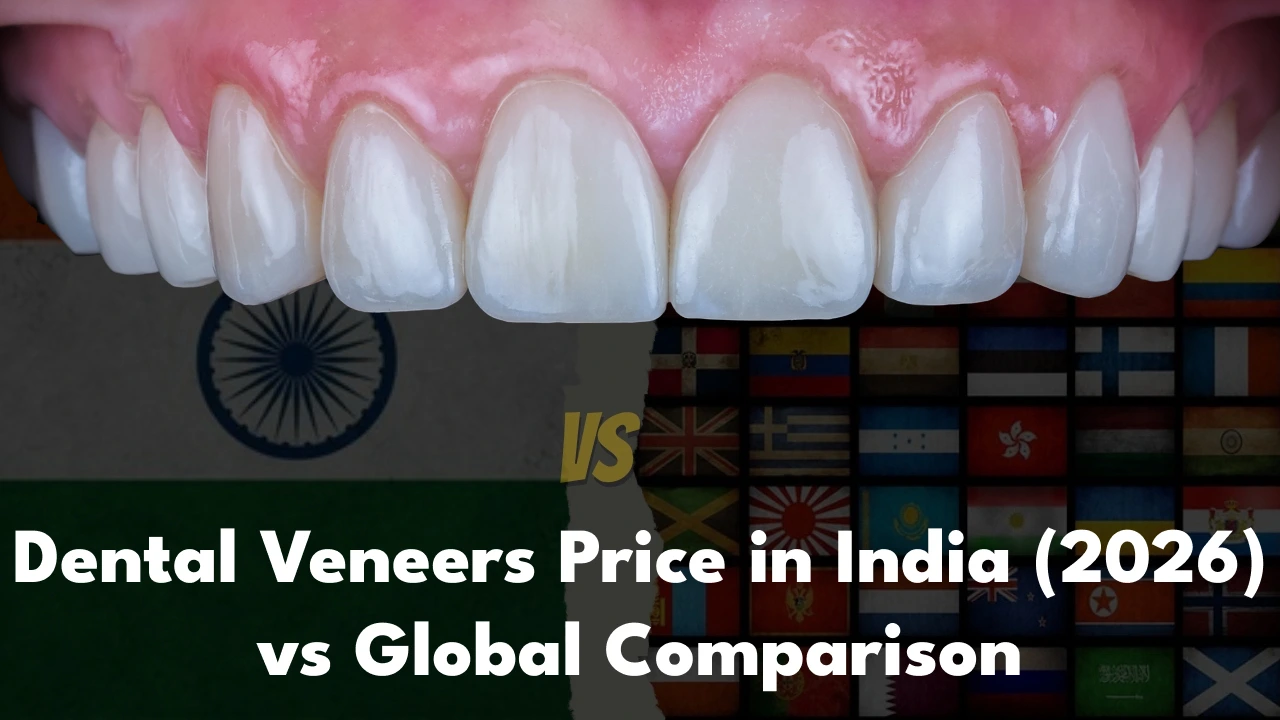
Smile Design for Anterior Teeth: Which Restoration is Best for You?
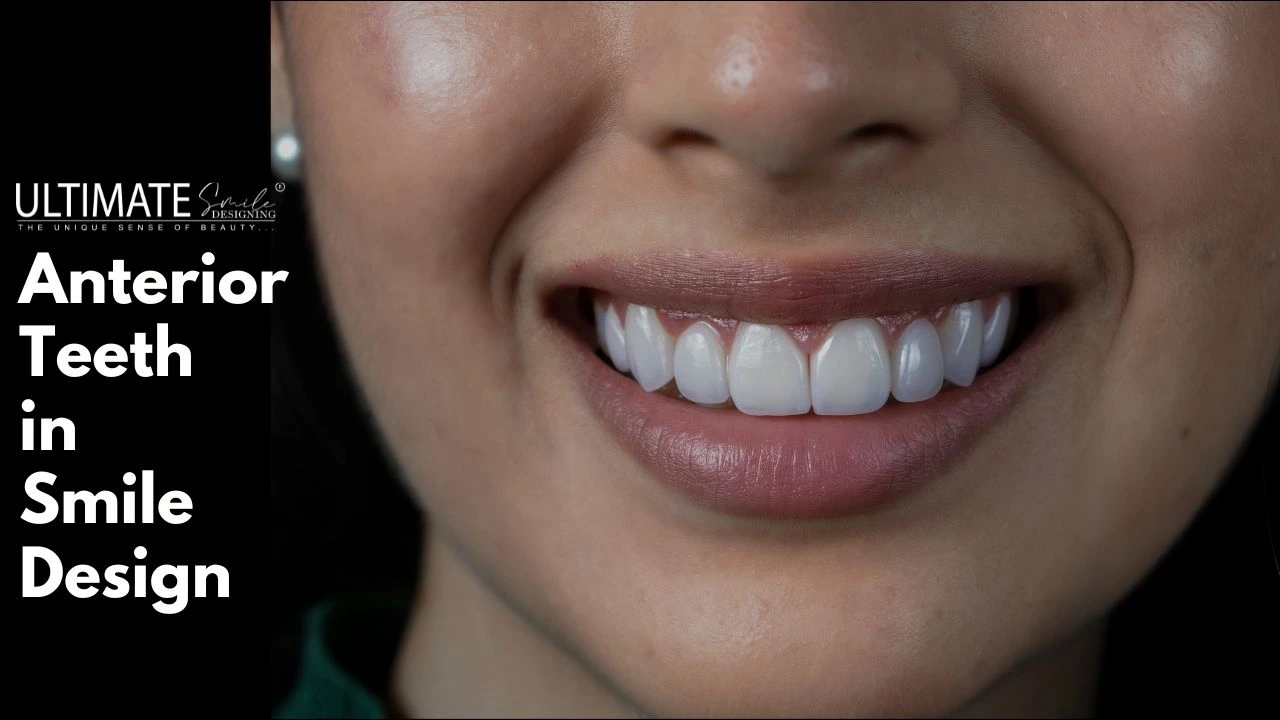
Are you tired of feeling self-conscious about chipped, gapped, or discoloured teeth? Anterior teeth, often called front teeth, are the most visible teeth when you smile, and they play a key role in your smile design . Many people choose a smile design when these imperfections undermine their confidence. This process focuses on creating a harmonious, beautiful smile that is unique to you.
In this comprehensive guide, we'll focus specifically on your anterior teeth—the ones most visible when you talk, smile, and laugh. We’ll explore and compare the best restorations for front teeth—from veneers to crowns and bonding—to help you make an informed decision.
Smile Design Process for Anterior Teeth: Step-by-Step Guide
The journey to a new smile is a collaborative one. It's not just about what a dentist can do for you, but what you can achieve together. A successful smile design for your front teeth is a process that is both precise and highly personal.
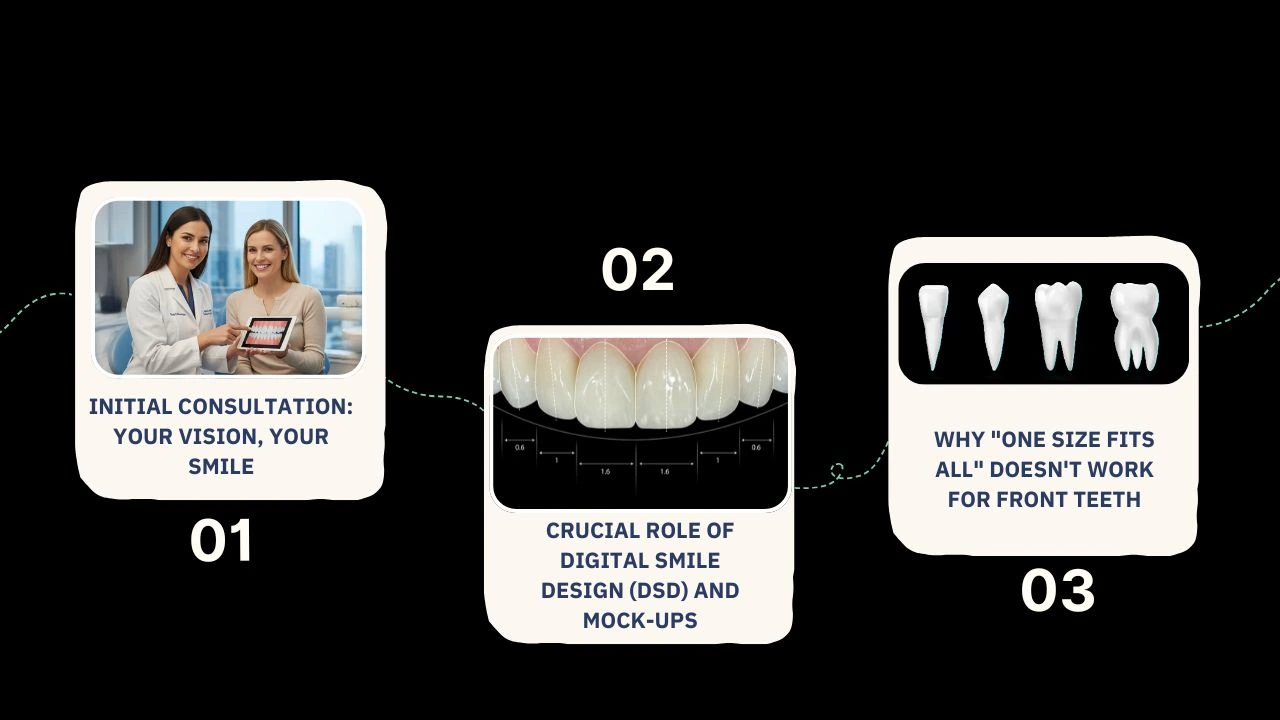
Initial Consultation: Your Vision, Your Smile
Your smile journey begins with a conversation. This isn't just a clinical examination; it's a chance to share your goals and desires. What do you like or dislike about your current smile? Do you want to fix a single front tooth gap or address overall discolouration? Your dentist will listen to your concerns, evaluate your oral health, and help you understand what's possible. This initial consultation is the foundation of your personalised treatment plan.
Crucial Role of Digital Smile Design (DSD) and Mock-ups
Before making any permanent changes, modern dentistry lets you "test drive" your new smile. This is where Digital Smile Design (DSD) comes in. Your dentist can take photos and videos of your teeth and face to create a digital mock-up. This allows you to see a virtual preview of the proposed changes on a computer screen.
Even better, your dentist can create a physical mock-up and temporarily place it over your anterior teeth. This non-invasive step allows you to see and feel the new shape, size, and proportion of your teeth. You can walk out of the office and get feedback from family and friends, ensuring you feel 100% confident before moving forward.
Why "One Size Fits All" Doesn't Work for Front Teeth
When it comes to your front teeth, every detail matters. A generic smile design simply won’t look natural. Your new smile must be in harmony with your facial features, lip line, skin tone, and even your personality. Factors such as gender, age, and facial shape influence the ideal tooth shape and size. A successful smile design is an artistic process that your dentist customises to you, ensuring the final result is not only beautiful but also uniquely yours.
Best Smile Design Options for Anterior (Front) Teeth
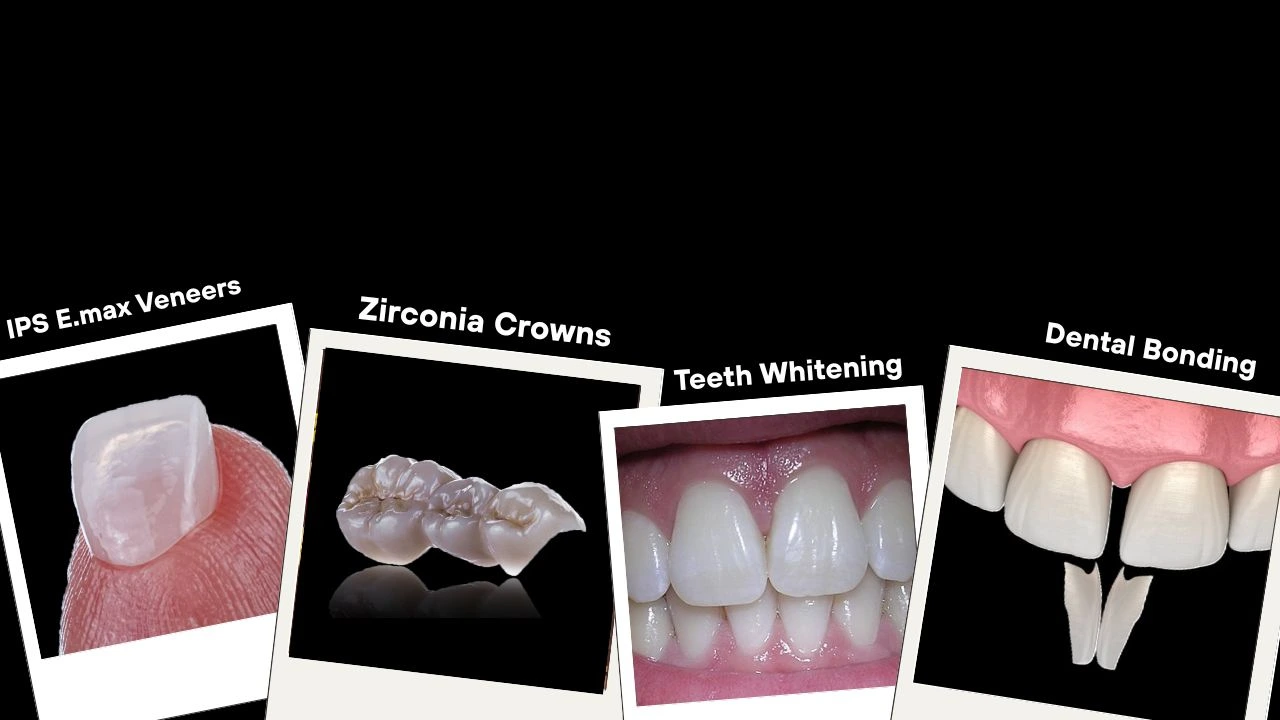
When it comes to your smile design, the most impactful changes happen on your anterior teeth. The option you choose for restoring your front teeth is a key part of your investment in both appearance and confidence. Below are the best options for transforming your front teeth, each offering unique benefits suited to different needs.
IPS E.max Veneers: The Cosmetic Artistry
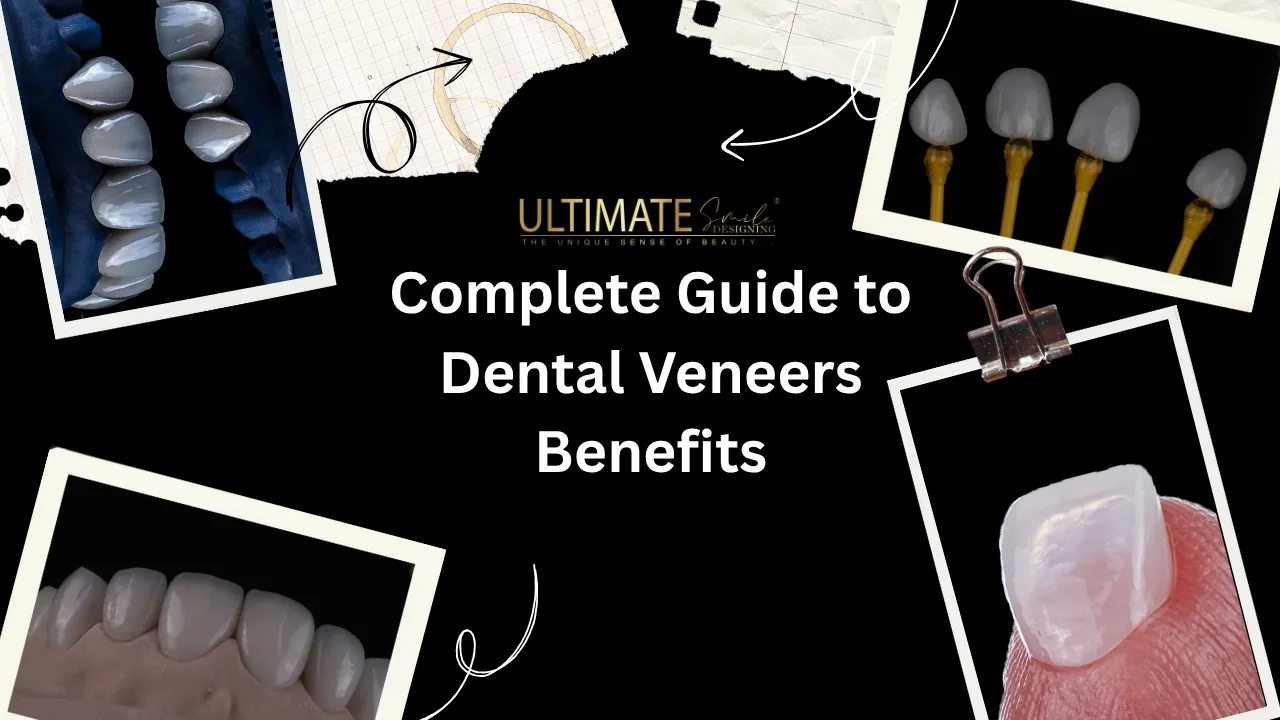
IPS E.max is a premium, high-strength ceramic material that is the gold standard for cosmetic dentistry. Today, patients and dentists value IPS E.max for its incredible translucency and natural-looking aesthetics, which perfectly mimic the light-reflecting properties of your natural tooth enamel. People look at the quality rather than the price of veneers . Your dentist bonds ultra-thin IPS E.max shells to the front surface of your anterior teeth to correct flaws in shape, colour, or alignment.
When to Choose Veneers for Front Teeth?
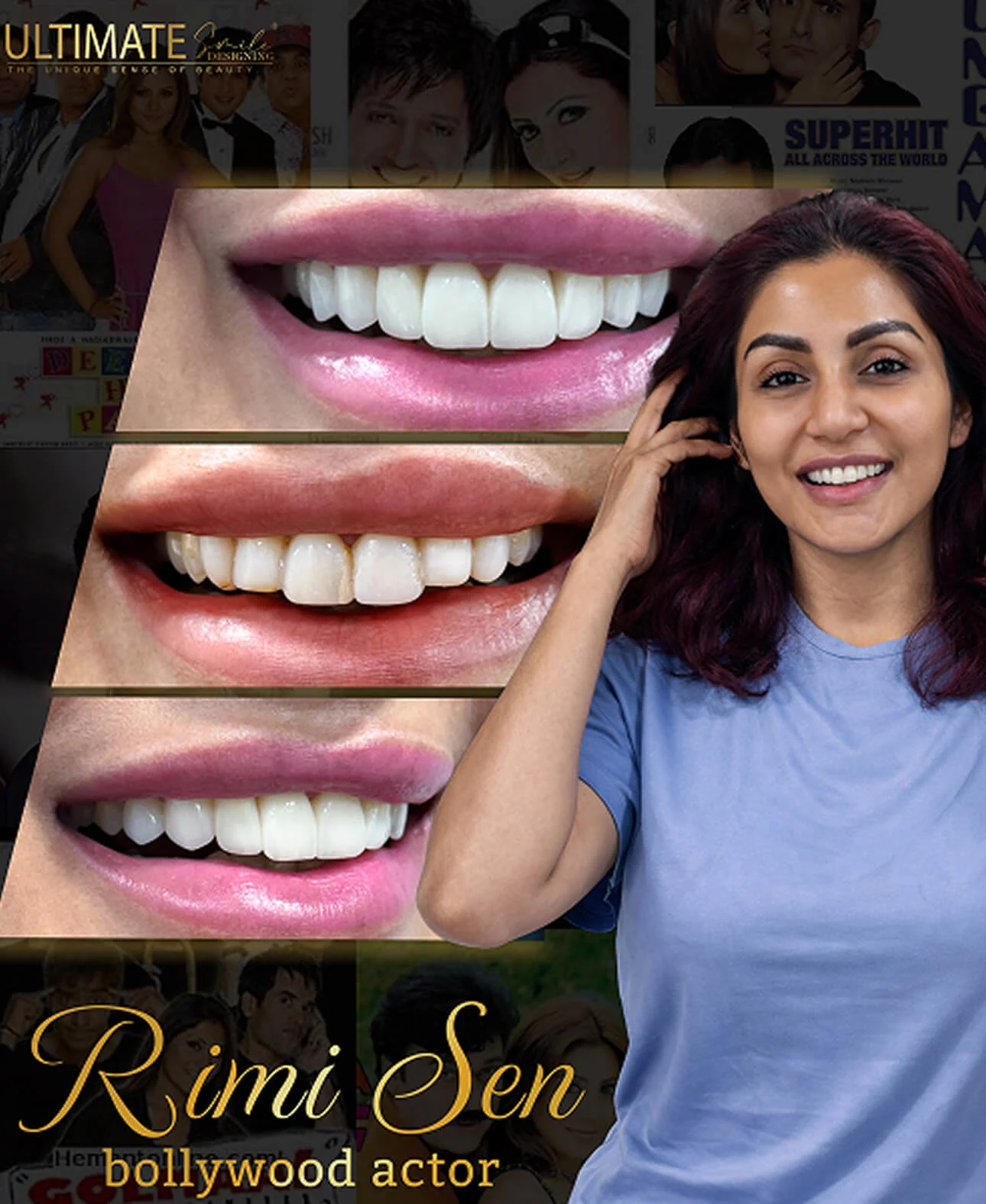
This is the ideal choice for patients seeking a dramatic cosmetic makeover for their smile design. If you have teeth with stubborn discolouration that won’t respond to whitening, minor chipping, or small gaps that you want to close, IPS E.max veneers can provide a flawless, long-lasting result. This restoration method is popular among celebrities, including Rimi Sen , and many other well-known celebrities.
Choose IPS E.max veneers if…
- You want to enhance the appearance of your front teeth (anterior teeth) for a brighter, more symmetrical smile.
- You have intrinsic stains or discolouration that do not improve with professional whitening.
- You wish to correct minor chips, cracks, or uneven edges without aggressive tooth reduction.
- You want to close small gaps between your front teeth without orthodontic treatment.
- You seek a natural-looking, long-lasting solution that mimics real enamel translucency.
- You are aiming for a celebrity-style smile makeover with minimal preparation of your natural teeth.
Find Ultimate Smile Designers
Risks & Limitations of IPS E.max Veneers
- Irreversible procedure – Your dentist removes a thin layer of natural enamel, so the process cannot be undone once it starts.
- Tooth sensitivity – Some patients may experience temporary sensitivity to hot or cold after preparation.
- Potential for chipping – Although strong, veneers can chip or crack if you bite on hard objects (ice, pens, etc.) or have habits like nail-biting or teeth grinding.
- Colour cannot be changed later – Once your dentist bonds the veneer, the shade stays fixed. If you want whiter teeth, whiten before veneer placement.
- Replacement over time – Veneers typically last 10–15 years, but you may need to replace them later because of wear or gum recession.
- Not suitable for severe cases – They are not ideal if you have significant decay, large fractures, or severe bite issues (crowns may be better).
Zirconia Crowns for Severely Damaged Front Teeth
Dentists often refer to a crown as a tooth cap. It fully covers and encases a tooth. Dental technicians craft zirconia, a modern, metal-free ceramic, to make it exceptionally strong and incredibly natural-looking. For a smile design that requires both strength and beauty, a zirconia crown is an excellent choice for your anterior teeth.
When to Choose Zirconia Crowns for Front Teeth?
This is the preferred solution for a front tooth that is severely compromised by a large fracture, a failed restoration, or extensive tooth decay. A crown provides the necessary strength to protect the tooth while still delivering a beautiful aesthetic result, making it a reliable choice when veneers or bonding are not sufficient.
Choose zirconia crowns if…
- You have a front tooth with severe structural damage, such as a large fracture or extensive decay.
- Your previous fillings or restorations have failed, and the tooth needs full coverage for protection.
- You want a durable, metal-free solution that blends seamlessly with your natural front teeth.
- You require extra strength to withstand biting forces while maintaining aesthetics.
- You are looking for a long-term solution where veneers or bonding would not be sufficient.
- You desire a natural-looking smile design with lifelike translucency and strength.
Risks & Limitations of Zirconia Crowns
- Tooth preparation required – Your dentist removes a significant amount of natural tooth structure to fit the crown properly.
- Irreversible treatment – Once your dentist places a crown, the tooth will always require a crown or restoration in the future.
- Possible sensitivity – Some patients may experience temporary sensitivity after tooth preparation or crown cementation.
- Risk of crown fracture – Although zirconia is very strong, extreme biting forces or accidents can still cause fractures.
- Potential gum recession – Over time, your gums can recede, exposing the crown margins and forcing you to replace or adjust the crown.
- Higher cost – Zirconia crowns are typically more expensive compared to other materials or treatments like bonding.
- Cannot whiten later – Once the lab makes your zirconia crown, its colour cannot change. Whiten first if you want a lighter shade.
Teeth Whitening: The Foundation of a Brighter Smile
Sometimes, the simplest solution is the best. For a smile design focused on brightness, professional teeth whitening offers the most conservative and non-invasive option. Your dentist performs it as a standalone procedure or as a preliminary step to ensure new restorations match your brighter smile.
When to Choose Teeth Whitening?
This is the best option if you are satisfied with the shape and alignment of your front teeth and your primary concern is their shade. It’s a great way to "reset" the colour of your smile before considering other restorative procedures.
Choose teeth whitening if…
- You are happy with the shape and alignment of your front teeth and just want them brighter.
- Your primary concern is yellowing, staining, or discoloration from coffee, tea, or smoking.
- You want a fast, non-invasive way to refresh your smile without altering tooth structure.
- You are planning veneers or crowns and want to set a lighter base shade first for a uniform look.
- You prefer a conservative treatment with minimal or no discomfort.
- You want an affordable entry point into cosmetic dentistry to boost confidence quickly.
Risks & Limitations of Teeth Whitening
- Tooth sensitivity – Whitening can cause temporary sensitivity to hot, cold, or sweet foods and drinks.
- Gum irritation – Bleaching agents may irritate gums if they come into contact during treatment.
- Uneven results – Existing fillings, crowns, or veneers do not whiten, which can create a shade mismatch.
- Not permanent – Results fade over time, especially if you drink coffee or tea or use tobacco, so you will need maintenance sessions.
- Limited effect on deep stains – Whitening may not fully lighten intrinsic stains or discolouration caused by medications or trauma.
- Not suitable for everyone – You must treat cavities, gum disease, or worn enamel before whitening.
Dental Bonding: A Quick and Conservative Fix
Dental bonding uses a tooth-coloured composite resin to repair and reshape your anterior teeth. This procedure is a fast, single-visit solution where your dentist carefully applies the resin, moulds it to the desired shape, and hardens it with a special light. It's often the most affordable option for minor fixes in a smile design or fixing gapped front teeth.
When to Choose Dental Bonding?
Bonding is ideal for correcting minor imperfections, such as chipped or gapped front teeth. It’s the most conservative option because it requires very little, if any, removal of your natural tooth structure . However, it's less durable than ceramic options and may need touch-ups over time.
Choose dental bonding if…
- You have small chips, cracks, or gaps in your front teeth that you want to fix quickly.
- You want a fast, single-visit solution without multiple dental appointments.
- You prefer a minimally invasive approach with little or no tooth reduction.
- You are looking for the most affordable cosmetic option to improve your smile.
- You want a temporary or short-term solution before committing to veneers or crowns.
- You are comfortable with a solution that may require maintenance or touch-ups over time.
Risks & Limitations of Dental Bonding
- Less durable than ceramics – Composite resin is more prone to chipping, cracking, or wearing down compared to veneers or crowns.
- Staining over time – Coffee, tea, wine, or smoking can make the bonding material discolour more quickly.
- Shorter lifespan – Bonding typically lasts 3–7 years, so you may need touch-ups or replacement sooner than ceramic options.
- Not ideal for large repairs – Bonding works best for small chips, gaps, or reshaping; you may need veneers or crowns for extensive damage.
- Possible colour mismatch – Over time, bonding can lose its shade match with your natural teeth as both age differently.
- Technique-sensitive – Results depend heavily on the dentist’s skill and experience for a natural appearance.
Veneers vs Crowns vs Bonding for Front Teeth: A Quick Comparison
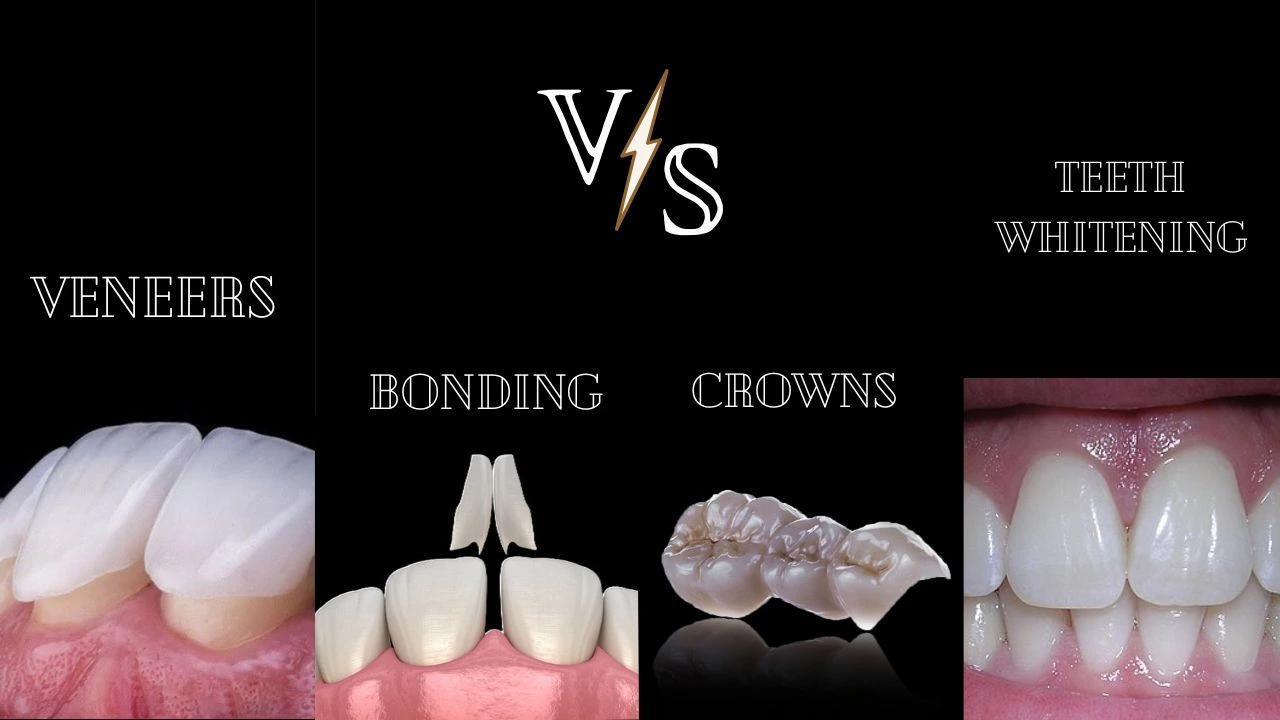
Choosing the right restoration for your front teeth can feel overwhelming. To help you make a clear and informed decision, here is a quick comparison of the most common options for your smile design, based on key features that matter to patients.
| Feature | Veneers (Emax) | Crowns (Zirconia) | Bonding (Composite) | Teeth Whitening |
| Durability | Excellent. Can last 15+ years with proper care. | Superior. Can last 20+ years. | Good. Prone to chipping; may require touch-ups every 3-5 years. | Not a permanent solution. Results last 6-12 months. |
| Cost | High. Significant investment per tooth. | High. Can be more expensive than veneers. | Low to moderate. The most affordable option. | Low. The least expensive cosmetic procedure. |
| Aesthetics | Excellent. Highly translucent and lifelike. | Excellent. Modern materials offer a very natural look. | Good. Can be an excellent aesthetic match. | Excellent. Dramatically improves shade, but not shape. |
| Tooth Reduction | Minimal. A thin layer of enamel is removed. | Significant. The entire tooth is reduced. | Minimal to none. Material is added, not removed. | None. Non-invasive procedure. |
| Procedure Time | Two to three visits. Involves lab fabrication. | Two to three visits. Involves lab fabrication. | Single visit. Completed in one appointment. | Single visit. Or done at home with a kit. |
| Reversibility | Irreversible. The enamel is permanently altered. | Irreversible. The tooth structure is permanently altered. | Reversible. Material can be removed without harming the tooth. | Reversible. The natural shade will return over time. |
Making the Right Choice: Consult Your Dentist
You should not make any decision about a smile makeover for your anterior teeth alone. This guide gives you a clear overview of the best restoration options for your anterior teeth, but the most important step is to schedule a personalised consultation with a qualified cosmetic dentist . During the consultation, your dentist evaluates the unique characteristics of your teeth, checks for decay, cracks, or alignment issues, and helps you choose the best treatment. Here is a short decision table—review it:
| Restoration | Suitable for |
| IPS E.max Veneers | Best for: minor chips/gaps & colour issues |
| Zirconia Crown | Best for: severely damaged front tooth |
| Dental Bonding | Best for: quick, affordable fixes |
| Teeth Whitening | Best for: shade only |
By consulting with a dentist, you discuss your aesthetic goals in detail, ask questions, and get a clear explanation of the benefits and limitations of each option based on your oral health. Your dentist uses tools like Digital Smile Design (DSD) to show you potential outcomes and ensure you feel completely comfortable with the treatment plan. By working together, you can choose the most effective and long-lasting solution that not only looks beautiful but also maintains the health and integrity of your natural front teeth.
Ready to transform your smile? Book a dental consultation today to see which treatment is right for you.
FAQs
Designing a new smile for your front teeth starts with an in-depth consultation where you discuss what you like and dislike about your current smile. Your dentist evaluates your oral health and uses Digital Smile Design (DSD) to create a virtual preview of your new smile. Physical mock-ups may let you try out the proposed changes before treatment. Because every smile is unique, the final design is customized to harmonize with your facial features and personality.
IPS E.max veneers are ultra-thin ceramic shells bonded to the fronts of your teeth. They provide a translucent, natural-looking result and are ideal for people who want a dramatic cosmetic makeover — brightening stubborn stains, fixing minor chips, and closing small gaps. Veneers are irreversible because a thin layer of enamel is removed, and they typically last 10–15 years. They are not suitable for teeth with significant decay or structural issues.
Zirconia crowns are strong, metal-free ceramic caps that cover the entire tooth. They are recommended when a front tooth has severe structural damage, such as a large fracture, extensive decay, or failed restorations. Crowns provide excellent strength and a natural look but require significant tooth reduction and are irreversible.
Professional whitening is a conservative way to brighten your smile. It is ideal when your front teeth are well aligned and you simply want a whiter shade. Whitening is quick and non-invasive, but it can cause temporary sensitivity or gum irritation. The results are not permanent and may be uneven if you have fillings or crowns; deeper stains may not respond fully.
Dental bonding uses tooth-colored composite resin to repair or reshape front teeth. It’s suitable for small chips, cracks, or gaps and can be completed in one visit. Bonding is reversible and minimally invasive but less durable than ceramic options, more prone to staining, and typically lasts 3–7 years. It may require touch-ups and isn’t recommended for large repairs.


With over 20 years of unparalleled experience at the forefront of digital dental technology, I’m passionate about elevating dental care through state-of-the-art dental technologies. I remain dedicated to empowering dentists and practitioners by providing cutting-edge custom dental solutions that combine artistry, efficiency, and predictability, continuously exploring AI-driven design to shape the future of restorative dentistry.
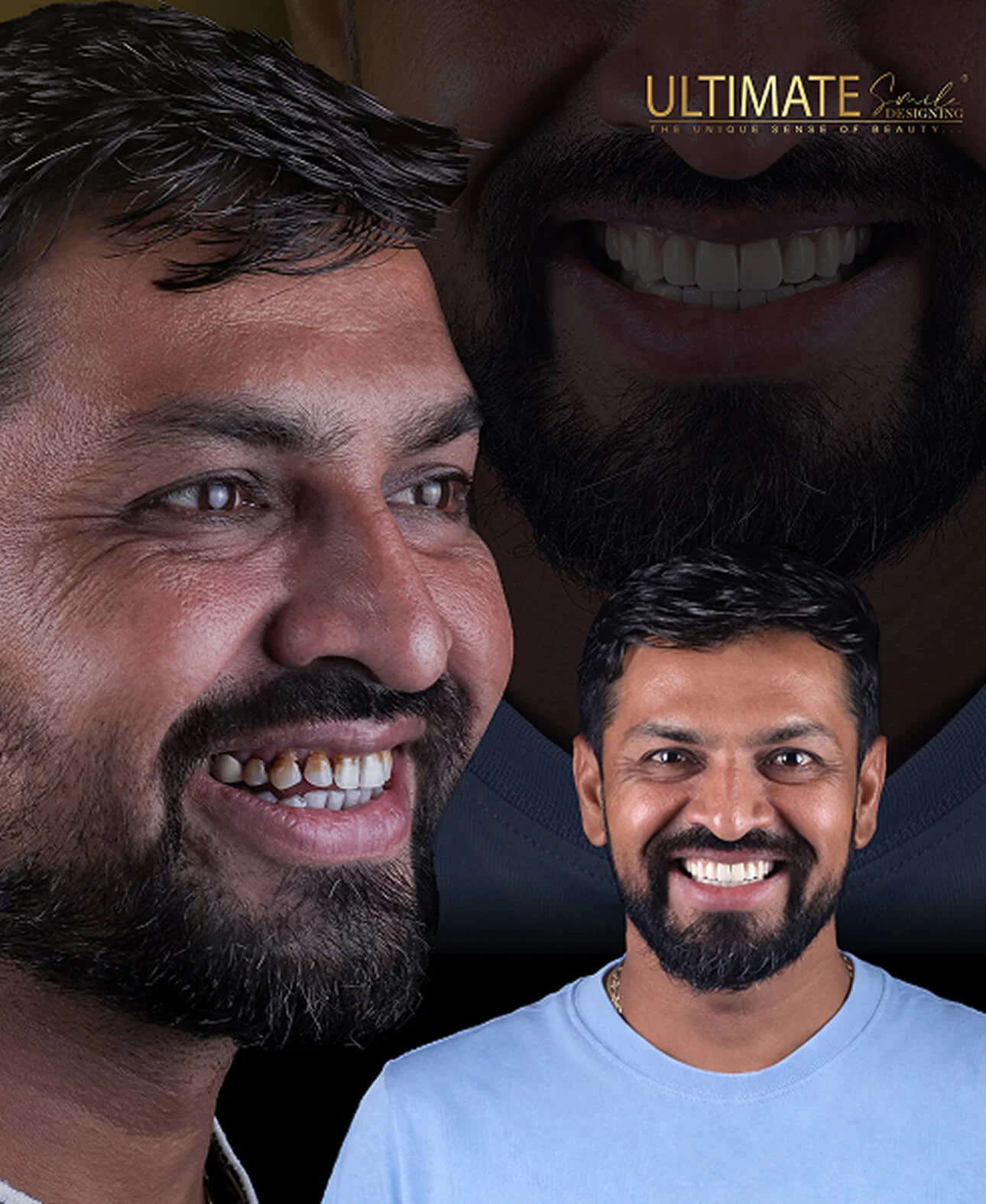
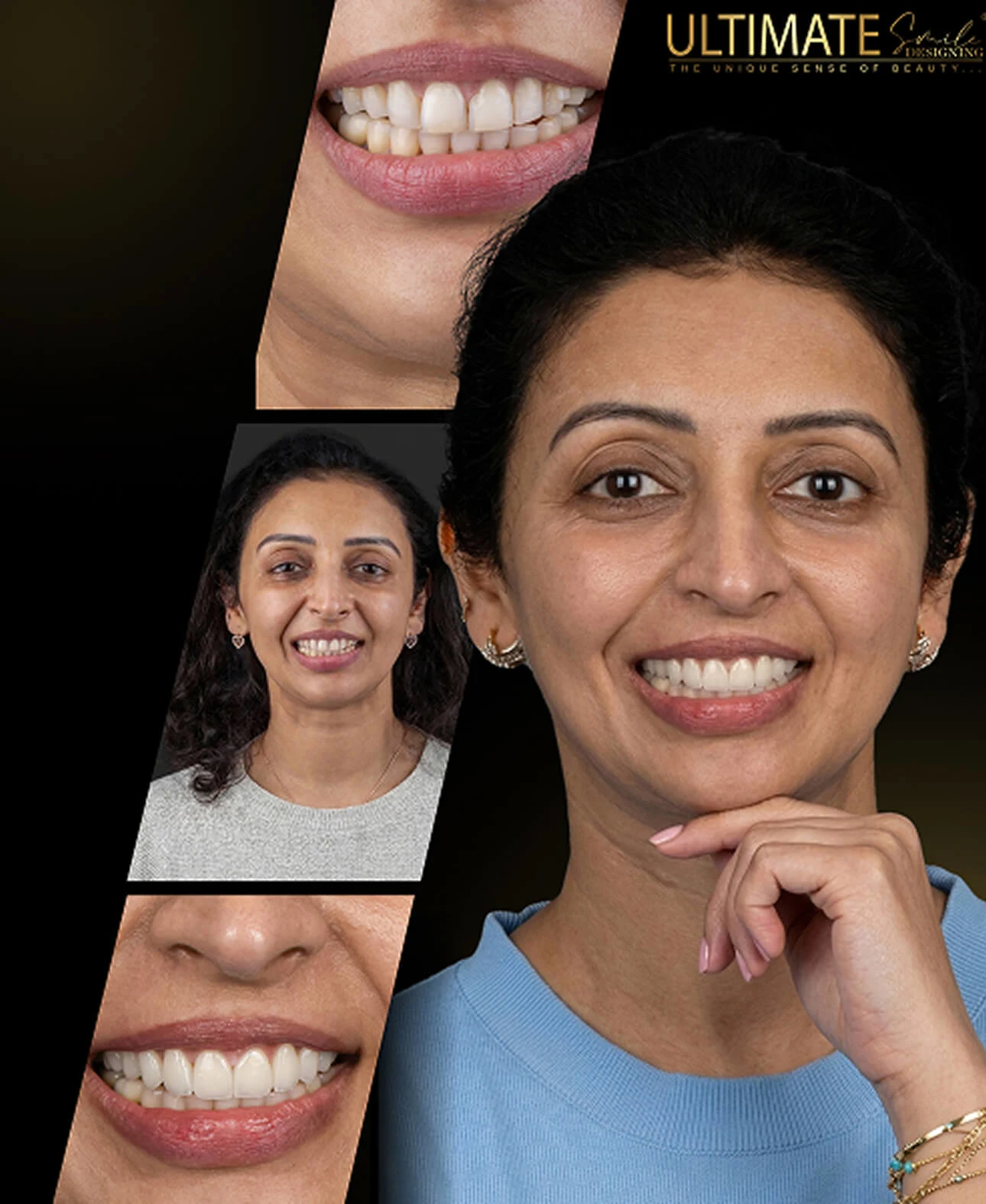
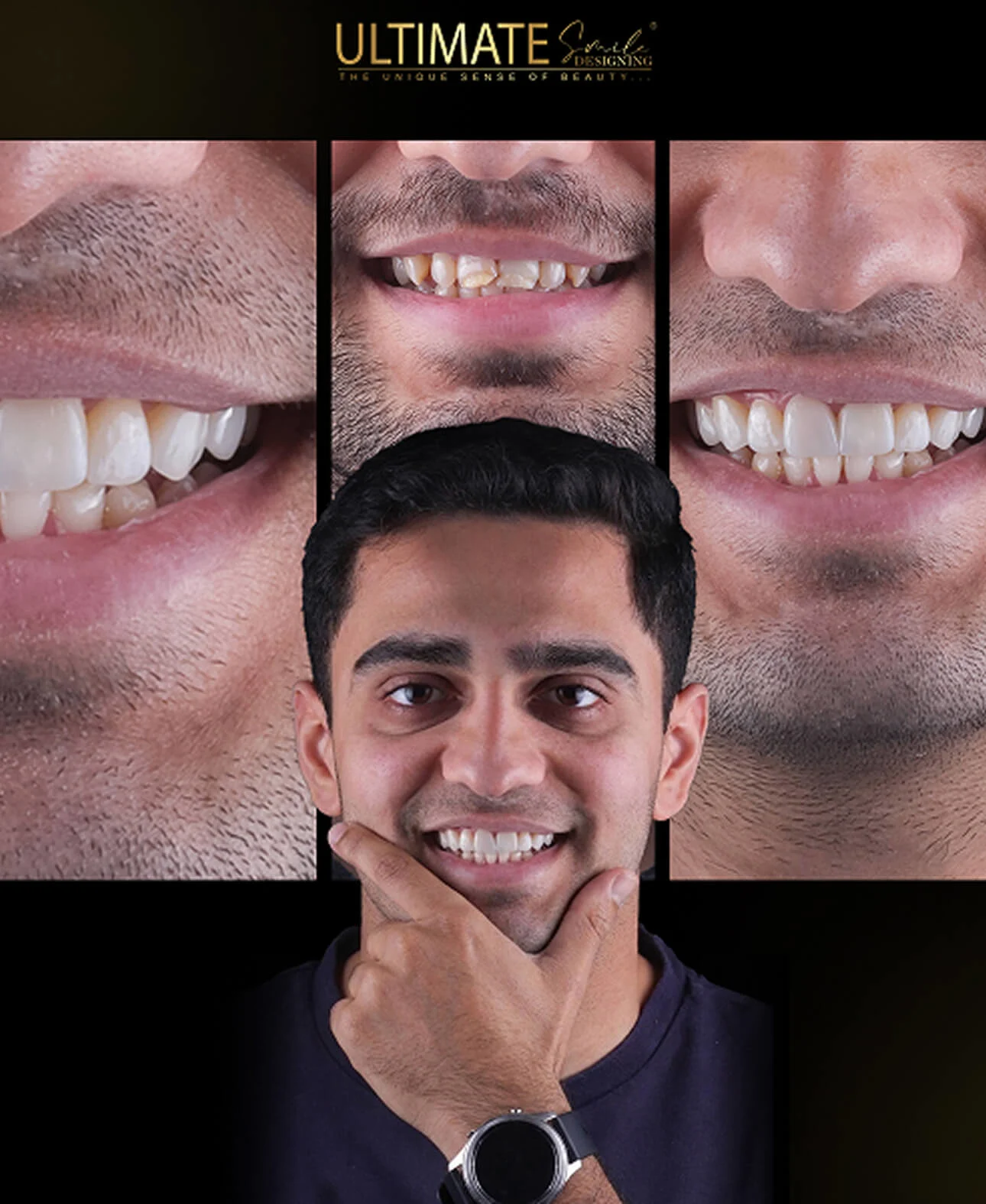
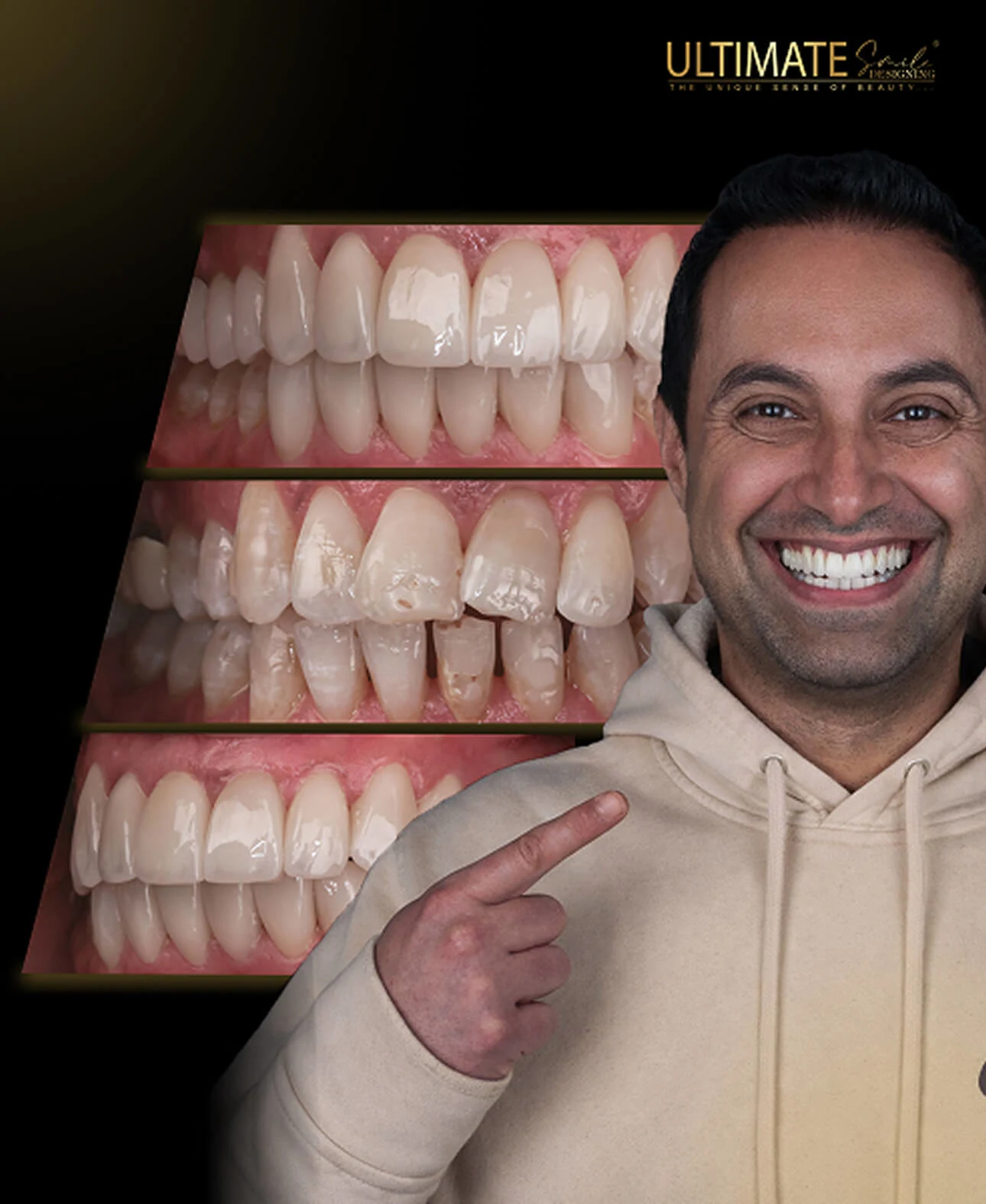
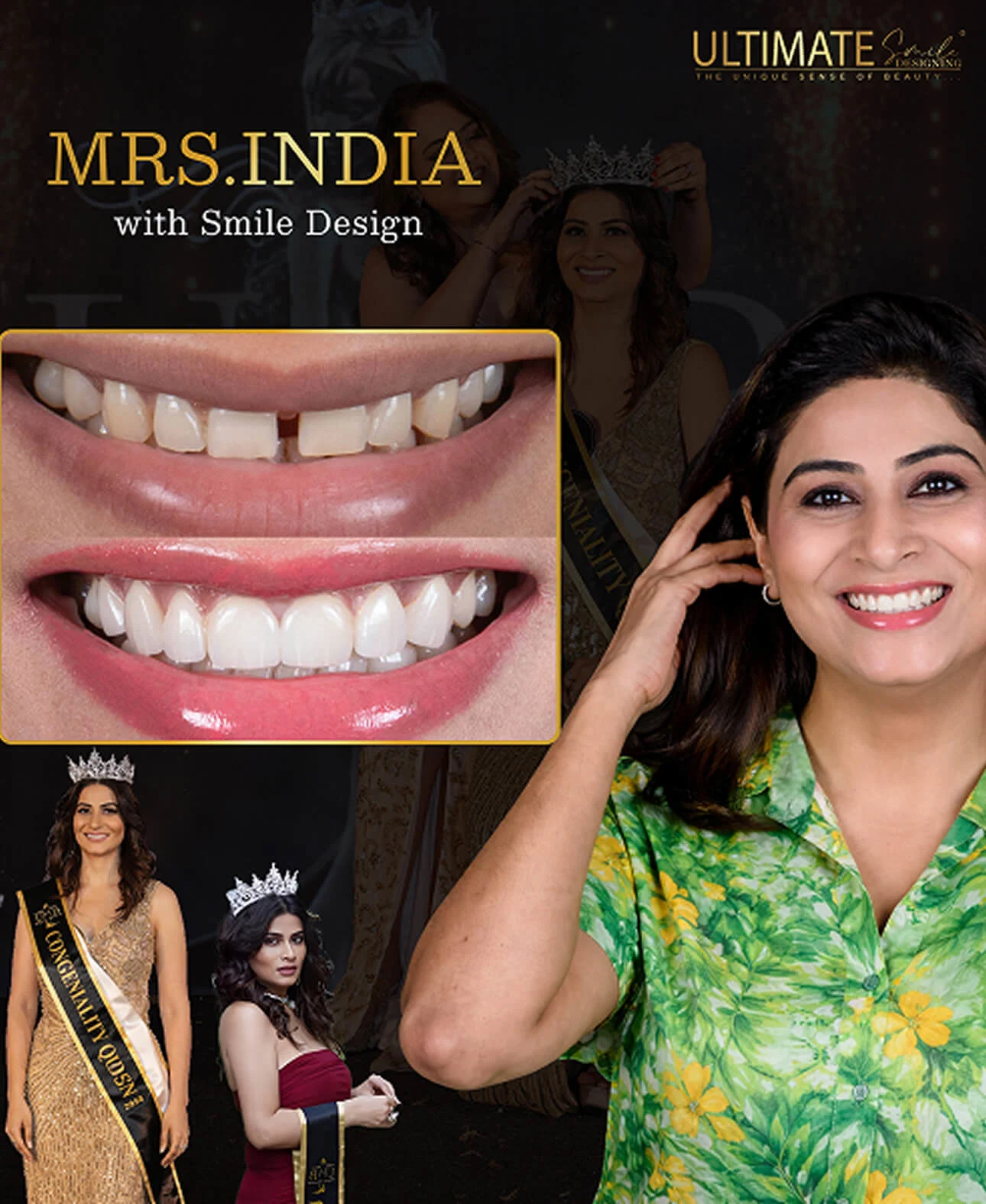
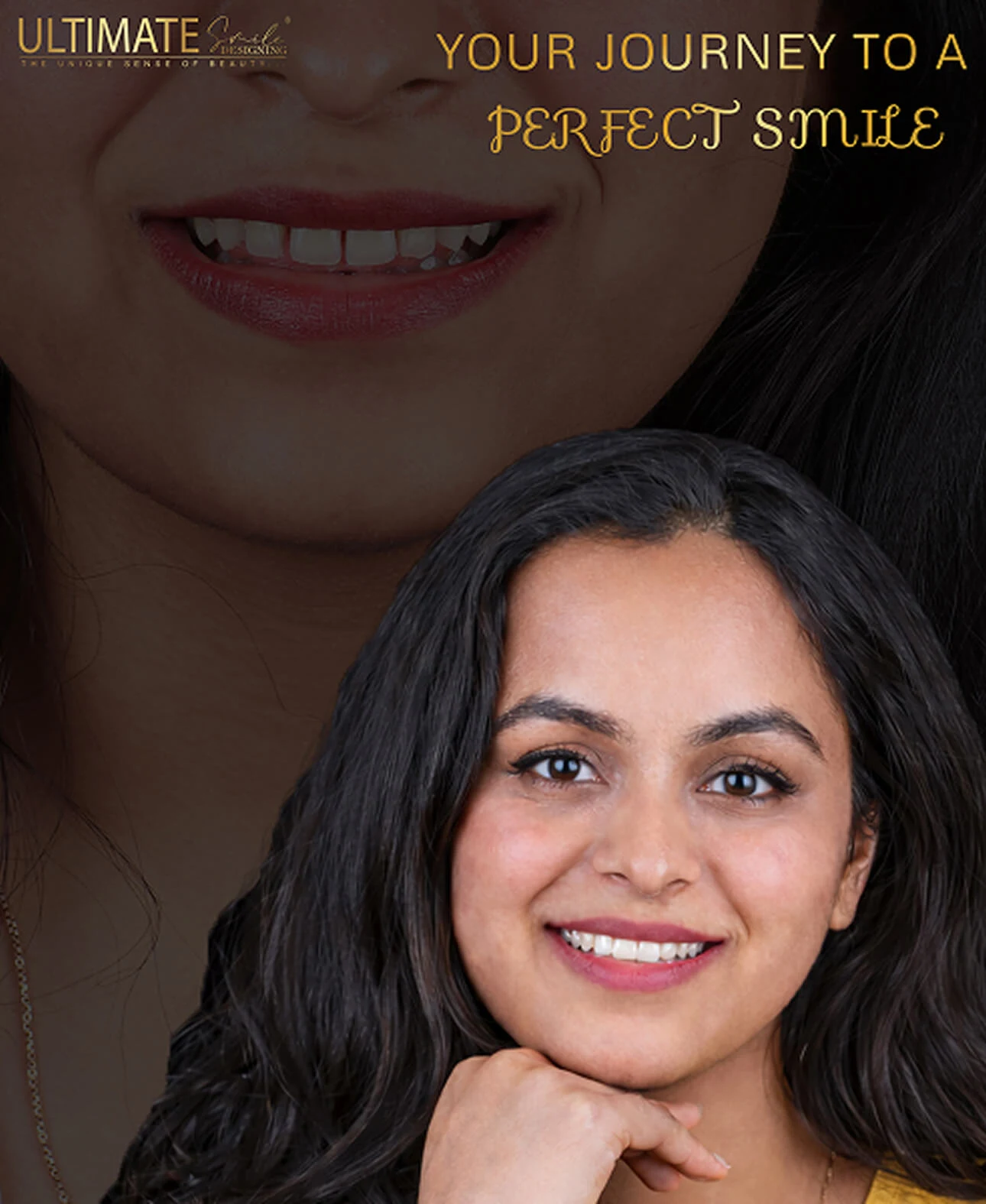
Smile Design Before & After