Smile Design: Ultimate Guide to Perfect Smile Makeover (2026)

If you’ve ever caught yourself in a photo or the mirror thinking, “My smile is fine… but something feels a little off,” you’re definitely not the only one. A lot of people notice small things like slightly uneven teeth, one tooth that looks darker, tiny gaps, or gums that show more than they’d like when they smile. Fixing that doesn’t always mean a dramatic or invasive treatment.
The modern treatment in dentistry, called smile design—often referred to as a smile makeover—is a customized, step-by-step approach to enhancing your smile so that it appears natural and balanced. The goal isn’t a fake, overly white grin; it’s a smile that actually fits your face and feels like you, just more confident.
What’s changed recently is how predictable the process has become. In 2026, dentists can use digital photos, short videos, scans, and 3D mockups to plan everything. Nowadays, you get to see a preview of your future smile before any major work begins.
So, in this guide, you’ll learn exactly:
- What is smile design?
- What makes it different from normal dentistry
- Benefits (confidence + function)
- Step-by-step process (consultation → 3D preview → treatment → final reveal)
- Smile design cost in 2026 and what affects it
What is Smile Design?
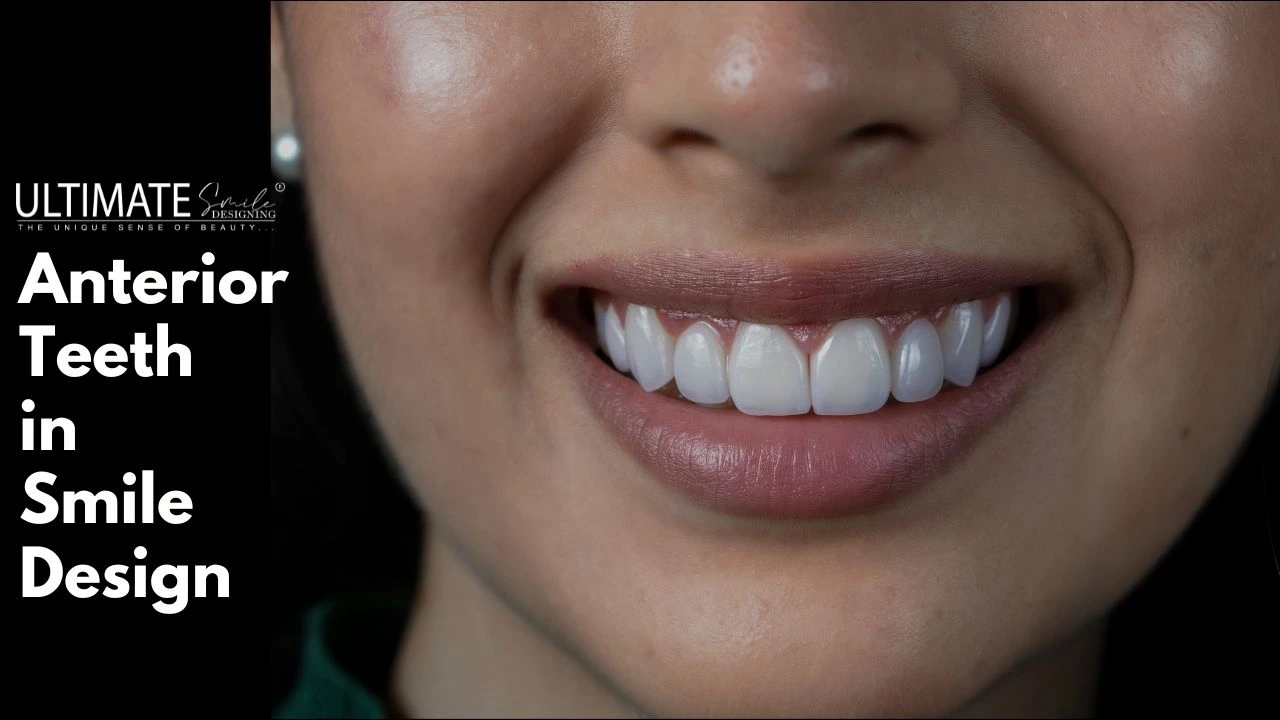
Smile Design is a cosmetic dentistry approach that focuses on improving how your smile looks and feels. It can involve adjusting the shape, size, color, and alignment of your teeth—and in some cases, the gum line too—so everything works together and suits your face naturally.
In plain words:
Smile design = your personalized smile makeover
Most modern clinics now use Digital Smile Design (DSD) technology. This means your dentist studies your face and teeth using high-quality photos, short videos, and digital tools. From there, they create a smile design on a computer and often follow it up with a mockup or wax-up (sometimes even 3D printed). The big advantage? You get a clear preview of what your final smile could look like before moving forward.
The Science of Facial Symmetry and Aesthetics
A truly beautiful smile isn’t just about having white teeth. Dentists look at the bigger picture. Dentists look at:
- How your teeth align with your lips when you smile
- Whether the gum line looks even
- Whether your front teeth look too long/short
- Whether your smile matches your face shape
That’s exactly why smile design isn’t a one-size-fits-all treatment. It’s built around facial harmony—making sure everything looks balanced, not forced.
With smile design workflows, the design process often starts with facial photos and videos, then uses digital planning to map tooth proportions and smile curves—this improves predictability and communication between dentist and patient.
Smile Design vs. Traditional Dentistry
Traditional dentistry is mainly about keeping your teeth healthy and pain-free. It focuses on:
- Filling cavities
- Root canal treatments
- Cleaning and gum care
- Fixing pain or infection
Smile design looks at the same fundamentals—but goes a step further. It focuses on appearance + function together:
- Improving symmetry
- Improving tooth color
- Improving tooth proportions
- Improving gums and smile line
- Making the result look natural
One big difference between smile design and traditional dentistry is expectation matching. With smile design, you’re not guessing how things might turn out. You can often see a preview or mockup of your new smile before any final work is done, which makes the entire process feel far more predictable and reassuring.
Role of Cosmetic Dentistry in Modern Smile Transformation
Cosmetic dentistry today is far less about guesswork and far more about planning things properly from the start.
Modern smile transformations often use:
- Intraoral scanning
- Digital mockups
- Wax-up / 3D printed trial smiles
- CAD/CAM workflows
What’s encouraging is that this shift isn’t just a marketing trend. Academic literature also points out that digital workflows allow wax-ups to be created digitally and then 3D printed, which leads to better planning, clearer communication, and fewer surprises for both the dentist and the patient.
Key Benefits of Getting a Smile Design Treatment
Boosting Self-Confidence with a Smile Makeover
Let’s be honest—confidence is a huge reason people consider smile makeovers in the first place.
When you feel good about your smile:
- You smile more naturally
- You feel more comfortable in photos
- You speak more confidently in meetings or social settings
And because smile design is planned around your face—not just your teeth—the result usually looks far more natural than a few random cosmetic fixes done in isolation.
Improving Oral Functionality and Tooth Longevity
A well-planned smile makeover is not only about “looks.”
Depending on your case, it can also:
- Improve bite alignment (reducing uneven tooth wear)
- Reduce chipping risk (when teeth are properly shaped and aligned)
- Make cleaning easier (straighter teeth are easier to maintain)
One important thing to keep in mind: cosmetic work should never skip the basics. A good dentist will always evaluate your gums, bite, and overall oral health before moving forward with any smile design treatment.
Reversing Signs of Aging through Dental Aesthetics
As we age, changes in our smile are completely normal.
- Look shorter due to wear
- Become darker over time
- Shift slightly and create gaps
- Lose a youthful “smile curve”
Smile design can help refresh your overall appearance by restoring balanced proportions and brightness—without making your smile look artificial or overdone. The goal isn’t to look “done,” but to look like a more rested, confident version of yourself.
Core Procedures Involved in a Comprehensive Smile Design
Smile design is rarely just one treatment. It’s usually a thoughtful combination of multiple procedures, tailored to what your smile actually needs. The plan depends on your teeth, your gums, your bite, and the kind of result you’re aiming for—nothing more, nothing less.
1) Dental Veneers
Veneers are thin shells that are placed on the front surface of teeth to improve things like:
- Shape
- Color
- Symmetry
- Minor gaps
- Small alignment issues
They’re commonly used in smile design because they can create noticeable improvements without completely changing the natural structure of your teeth. That said, veneers aren’t “set and forget.”
Find Ultimate Smile Designers
One important thing to understand: many traditional veneers do involve removing a small amount of enamel and aren’t always reversible. That’s why conservative planning—and choosing an experienced cosmetic dentist—matters just as much as the material itself.
2) Professional Teeth Whitening
Teeth whitening is often the right choice when tooth color is your main concern. It works especially well for:
- Tea/coffee stains
- Smoking stains
- General yellowing
In many smile design cases, dentists actually recommend teeth whitening before moving on to veneers. Doing this can reduce the number of teeth that need veneers or help match the shade of your natural teeth—especially the lower ones—to the final veneer color. It’s a simple step, but it can make the overall result look far more balanced and natural.
3) Laser Gum Contouring
If you have a gummy smile or an uneven gum line, gum contouring can help improve the overall balance of your smile. In simple terms, it reshapes the gums so the teeth look more proportionate and less “covered.”
Some people naturally show more gum when they smile, which can make teeth appear shorter than they actually are. Gum contouring addresses that by refining the gum line—not changing the teeth themselves.
Laser gum contouring is popular because, in many cases, it allows for precise and minimally invasive treatment. That said, not every situation is the same, and your dentist will decide what approach is most appropriate for your gums and overall oral health.
4) Invisible Braces and Aligners
When alignment is the main concern, clear aligners are often the best place to start. They help correct:
- Crooked teeth
- Spacing
- Minor bite issues
Many dentists actually prefer aligning the teeth first and then using veneers or bonding only where needed. This approach keeps the treatment more conservative, preserves natural tooth structure, and often leads to a more balanced final result.
5) Composite Bonding
Composite bonding uses a tooth-colored resin to fix small chips, close minor gaps, improve the edges of teeth, and slightly enhance symmetry. It’s often chosen when the changes needed are subtle rather than dramatic.
Compared to veneers, bonding is usually less invasive and more affordable. The trade-off is durability. Over time, bonded material can stain or chip, especially depending on habits like grinding, nail-biting, or frequent coffee intake. Many sources estimate bonding to last anywhere from 3 to 10 years with proper care.
Who is the Ideal Candidate for Smile Design?
Smile design is a good fit for people who want a noticeable improvement—but still want their smile to look natural, comfortable, and like themselves.
Fixing Gaps, Crooked, or Discolored Teeth
You may be a good candidate if you have:
- Small gaps
- Mildly crooked teeth
- Chipped edges
- Uneven tooth size
- Stains that don’t improve enough with whitening
In many situations, a combination of aligners, whitening, and bonding can deliver excellent results without aggressive drilling or heavy dental work.
Correcting a “Gummy Smile”
If your gums show more than you’d like when you smile, gum contouring—sometimes paired with veneers or bonding—can help create a better balance between the teeth and the gum line.
Full Mouth Reconstruction for Aging Smiles
When teeth are worn down, missing, or heavily restored, a more comprehensive plan may be needed. This can involve crowns, implants , or bite correction. A skilled dentist will guide you through what’s appropriate for your specific situation.
Step-by-Step Smile Design Process
Here’s how a modern smile design typically works—especially when digital planning tools are part of the process.
Phase 1: Initial Consultation and Digital Analysis
The process usually starts with a detailed consultation. Your dentist looks at:
- Teeth and gums health
- Your bite
- Facial proportions
- Your smile goals (“natural bright” vs “Hollywood bright,” etc.)
In digital workflows, dentists often take:
- High-quality photos/videos
- Digital scans and analyze facial and dental proportions for planning.
Phase 2: Preview Your Future Smile (AI & 3D Mockups)
With modern dental technologies & Digital Smile Design, you’re able to see a preview of your future smile before any permanent changes are made. In many cases, the digital design is turned into a wax-up or even a 3D-printed mockup that you can actually try or visualize clearly.
This step gives you the chance to say things like, “Let’s make it a bit more natural,” or “I’d like it slightly brighter.” You can approve the look with confidence—and you know exactly what you’re moving forward with and paying for.
Phase 3: The Clinical Procedure (Veneers, Bonding, or Implants)
Once the plan is finalized and approved, your dentist moves into the treatment phase. What this looks like depends entirely on your case.
Some combinations, like whitening followed by bonding, can be completed relatively quickly. Others take more time—clear aligners may require several months, while veneers often involve multiple visits. In certain cases, gum contouring is done first to refine the gum line before veneers or bonding are placed.
A good dentist won’t rush this stage. The priority is protecting your natural tooth structure and creating results that are stable, comfortable, and built to last—not just good-looking on day one.
Phase 4: Final Reveal and Adjustments
Once the final restorations are in place, your dentist focuses on the finishing details. It includes:
- Bite is checked
- Comfort is checked
- Minor shape adjustments may be done
- Aftercare guidance is given
You’ll also receive guidance on aftercare— how to maintain your new smile and protect the work long term. This final phase is what helps the smile not only look polished, but also feel natural and comfortable in everyday use.
Smile Design Cost in 2026: What to Expect?
Cost is a big question — and honestly, it can’t be one fixed number because smile design is a custom plan, not a single treatment.
In India, smile design tends to be much more affordable compared to many Western countries, but the total price depends on what your smile actually needs.
Here’s a realistic breakdown of what people typically pay in 2026:
Typical Smile Design Treatment Costs in India
- Teeth Whitening: around ₹10,000 – ₹25,000 per session.
- Dental Veneers: roughly ₹10,000 – ₹40,000 per tooth (depending on material and clinic).
- Composite Bonding: from about ₹4,000 – ₹12,000 per tooth.
- Clear Aligners / Invisible Braces: often ₹25,000 – ₹1,50,000+ for a full course of aligners (varies with brand and duration).
- Gum Contouring / Minor Soft Tissue Work: variable — typically part of a broader plan and often in a few thousands to tens of thousands as part of the overall cost.
Overall Smile Design / Makeover
Since smile design usually combines two or more procedures, most clinics in India estimate total packages like this:
- 💡 Simple makeover (e.g., whitening + minor bonding): around ₹20,000 – ₹50,000.
- 💡 Mid-range smile design (veneers + whitening + some contouring or aligners): roughly ₹50,000 – ₹2,50,000+.
- 💡 Comprehensive plans (multiple veneers + major alignment + advanced work): can go above ₹2,50,000, especially in big cities with high-end materials and digital planning.
👉 Many clinics treat smile design as a package rather than charging per visit — but some charge per procedure, so quote comparisons are important. Contact us to know more about the cost of smile design treatment.
Factors Influencing the Total Investment
The final cost of a smile design depends on a mix of factors—not just one treatment or one tooth. It depends on:
- Number of teeth involved
- Which procedures are included (veneers vs bonding vs aligners vs gum contouring)
- Material quality (porcelain vs composite)
- Technology used (digital scans, mockups, 3D printed trial smile)
- Dentist’s expertise and location (an experienced cosmetic dentist usually charges more)
Practical 2026 Cost Ranges (Indicative)
To keep things transparent and responsible, it’s better to talk about smile design costs in components, not one big number. Exact prices will always vary, but these ranges give a realistic idea of what’s involved.
In India, clinics generally explain smile design pricing based on case complexity, materials used, and the type of treatments included—not as a single fixed package.
Here’s how to think about it:
- Veneers (per tooth): In India, porcelain veneers are commonly priced lower than in Western countries, but the final cost still depends on the material, lab quality, and dentist's expertise. Rather than one flat rate, clinics usually calculate this per tooth as part of an overall plan.
- Composite bonding and long-term value: Bonding is more affordable upfront, but it’s important to understand longevity. On average, bonding lasts around 3–10 years, depending on habits and maintenance. This means occasional repairs or replacements may be needed over time, which can affect long-term cost.
- Overall smile design planning: Indian clinic guides consistently emphasize that smile design cost isn’t about “choosing a package.” It’s about selecting the right combination—veneers, bonding, aligners, gum contouring, or even implants—based on what your smile actually needs.
The key takeaway is: a well-explained treatment plan with clear component-wise pricing is far more reliable than a single advertised number. That’s how ethical, patient-focused smile design is usually presented in India.
Long-term Value vs. Initial Expense
Smile design isn’t like buying a gadget that gets outdated in a year or two. It’s closer to an investment—one that can influence your confidence, self-image, comfort while chewing or speaking, and even how much dental maintenance you’ll need in the future.
That said, long-term value doesn’t happen automatically. It depends on a few critical things going right: an accurate diagnosis, proper attention to your bite, quality materials, and a dentist who has real experience with cosmetic planning—not just technical skill.
When those pieces come together, smile design can offer benefits that last far beyond the initial expense. When they don’t, even a cheaper option can end up costing more over time.
How to Choose the Best Cosmetic Dentist for Your Smile Design?
Finding the right cosmetic dentist near you matters just as much as choosing the treatment itself. Smile design isn’t about copying a template; it’s about judgment, planning, and experience. Here’s a real, patient-friendly checklist to help you make a smarter decision.
Checking Before-and-After Portfolios
Always ask to see real patient cases. Look for clear before-and-after photos , ideally of smiles that are similar to your own concerns—whether that’s gaps, a gummy smile, discoloration, or uneven teeth.
Most importantly, a portfolio reveals the dentist’s aesthetic sense—their ability to create natural-looking smiles—not just their technical skill.
Importance of Advanced Dental Technology
Choose a clinic that uses:
- Digital smile planning
- Intraoral scanner
- Mockups (wax-up / trial smile / 3D print)
These tools aren’t just about fancy technology. Digital smile design is widely described as improving planning and communication because it allows you to see a preview of the proposed result before treatment begins. That clarity helps reduce misunderstandings and makes the entire process feel more predictable and comfortable.
One more “golden” safety tip (very important)
Try not to choose a clinic based only on discounts or “too good to be true” offers.
There have been media reports and professional discussions highlighting cases where aggressive cosmetic treatments—especially veneers—led to problems because of poor planning or excessive tooth reduction. You don’t need to be alarmed by this, but it’s an important reminder.
Smile design works best when it’s conservative, well-planned, and done by an experienced dentist who prioritizes long-term oral health over quick cosmetic fixes. Paying attention to quality and judgment upfront often prevents regret later—and that peace of mind is worth it.
Conclusion
A great smile in 2026 isn’t about unnaturally white teeth or copying someone else’s look. It’s about a smile that fits your face, looks balanced, feels comfortable, and genuinely boosts your confidence.
Smile design is a customized approach. It can involve veneers, whitening, gum contouring, aligners, bonding—or a thoughtful mix of these—chosen based on what your smile actually needs, not a one-size-fits-all formula.
If you’re considering a smile makeover:
- Start with a consultation
- Ask for a digital preview/mockup
- Understand your procedure options
- Choose an experienced cosmetic dentist with real before/after results
A great smile isn’t luck. It’s the result of good planning, clear communication, and the right expertise.
FAQs
Q: What is smile designing?
A: Smile designing (or a smile makeover) is a customized cosmetic dental treatment plan. It aims to enhance both the look and function of your smile. A dentist will create a plan that may include whitening, veneers, braces/aligners, gum reshaping, and more, based on your unique facial features and goals.
Q: Who is a good candidate for smile design?
A: Candidates with aesthetic concerns like stained or crooked teeth, chips, gaps, uneven gums, or other issues impacting their confidence can have smile design treatment.
Q: What happens during a smile design treatment?
A: The typical journey starts with a consultation and digital scan. Then the dentist develops a step-by-step plan. You’ll receive one or more treatments, like teeth whitening or braces/implants. Finally, there’s an aftercare phase where you maintain good oral hygiene and attend check-ups.
Q: Is smile design painful?
A: Generally, no. Modern cosmetic dentistry uses minimally invasive methods. Post-op discomfort is usually minor. Your dentist should ensure you’re comfortable throughout.
Q: How long does the smile design process take?
A: It varies. Simple treatments like professional whitening or bonding can be done in one or two visits. More complex makeovers (with braces/aligners, implants, multiple veneers, etc.) might take several weeks or months.
Q: Will my new smile look natural after smile design treatment ?
A: Absolutely – that’s the goal of smile design. Good cosmetic dentists aim for balanced, harmonious results that suit your face. They use natural-looking materials and only enhance, not exaggerate, your features.
Q: How much does smile design cost in India?
A: The cost depends on what treatments you need. Roughly speaking, smile design in India can range from ₹25K to ₹200,000 or more, depending on complexity. Your final quote will combine all needed procedures.


With over 20 years of unparalleled experience at the forefront of digital dental technology, I’m passionate about elevating dental care through state-of-the-art dental technologies. I remain dedicated to empowering dentists and practitioners by providing cutting-edge custom dental solutions that combine artistry, efficiency, and predictability, continuously exploring AI-driven design to shape the future of restorative dentistry.
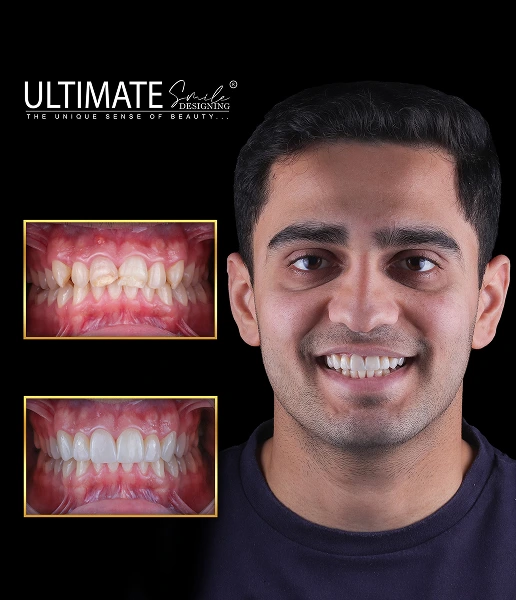
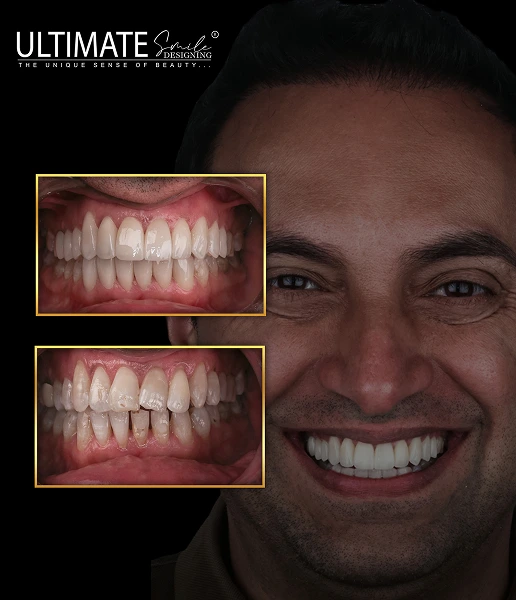
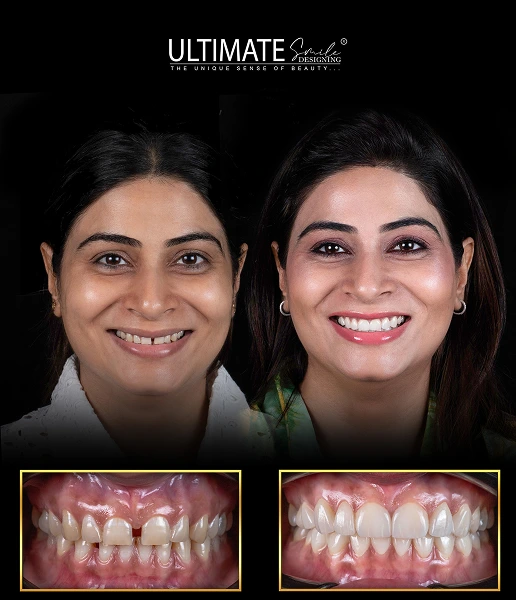
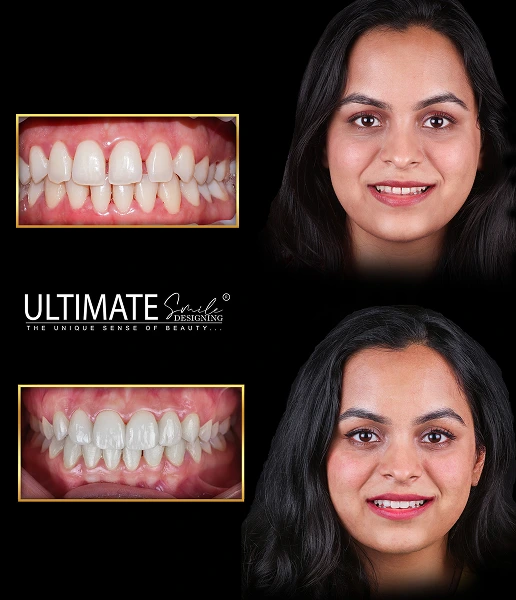
Smile Design Before & After